Nomenclature and Power: The Pentagon Reverts Indo-Pacific Command to its Pacific Roots

The U.S. Department of Defense has restored the name 'U.S. Pacific Command' (PACOM), reversing the 2018 shift to 'Indo-Pacific Command.' While the geographic scope remains unchanged, Chinese analysts view the move as a cosmetic distraction from a perceived lack of essential military hardware.

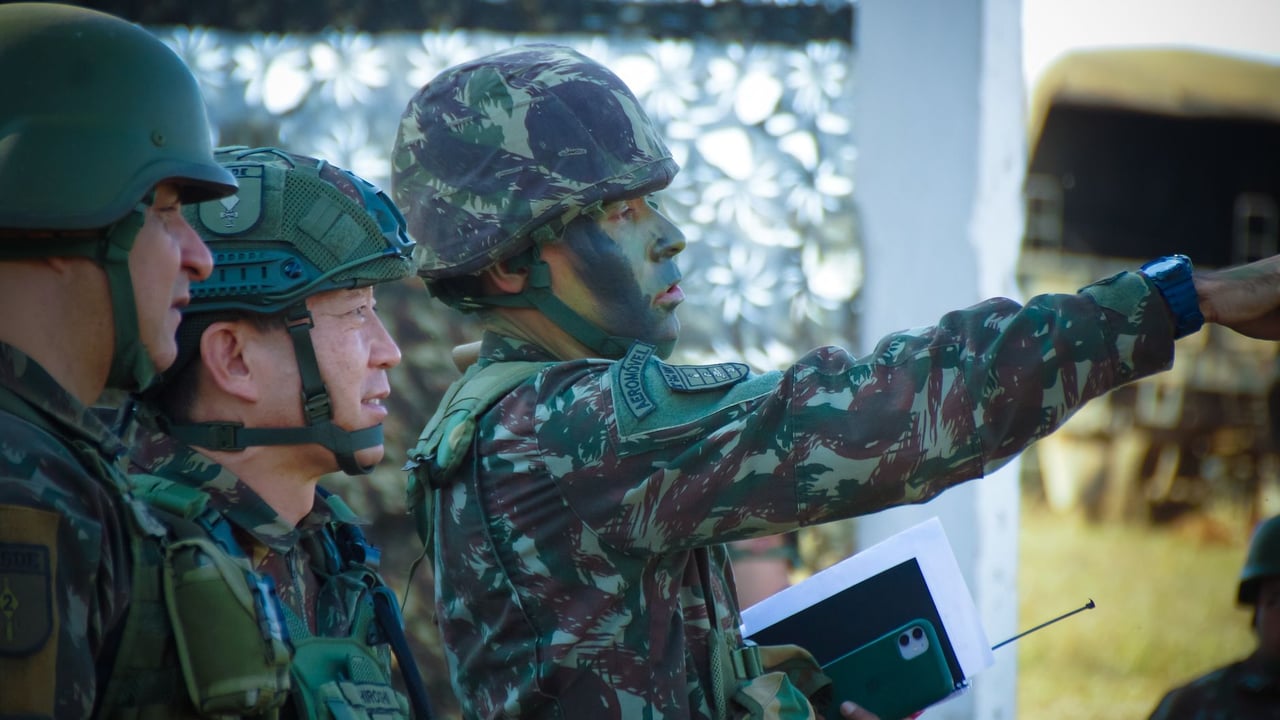
Soldiers in camouflage and helmets strategizing outdoors, focusing on a mission directive.

Key Takeaways

  • 1U.S. Indo-Pacific Command is officially reverting to its original name, U.S. Pacific Command (PACOM).
  • 2The command’s responsibility area continues to extend from the U.S. West Coast to the India-Pakistan border.
  • 3The 'Indo-Pacific' name was used for only eight years (2018–2026) in an effort to integrate India into U.S. maritime strategy.
  • 4Chinese commentators argue that the U.S. military faces a hardware shortage that cannot be fixed by administrative rebranding.

Editor's
Desk

Strategic Analysis

The restoration of 'Pacific Command' reflects a pragmatic recalibration of American military branding. While the 'Indo-Pacific' terminology was a successful diplomatic tool for engaging the 'Quad' and elevating New Delhi’s role, it may have created a sense of geographic overextension. By returning to the PACOM identity, the Pentagon acknowledges that the 'Pacific' remains the primary theater of potential high-intensity conflict. For Beijing, the narrative remains focused on American material decline; they view this change not as a strategic pivot, but as a repositioning of a force that they claim is increasingly 'hollow' in terms of actual combat platforms and munitions.

China Daily Brief Editorial
Strategic Insight
China Daily Brief

The United States Department of Defense has announced that its largest combatant command will officially revert to its original name, the U.S. Pacific Command (PACOM), ending an eight-year experiment with the 'Indo-Pacific' designation. While the rebranding suggests a shift in strategic focus, the Pentagon confirmed that the command’s area of responsibility remains unchanged, spanning from the American West Coast to the western border of India.

Originally established on January 1, 1947, the command operated under the Pacific Command name for over seven decades before being renamed in 2018. That initial change, spearheaded by the Trump administration, was intended to signal the rising importance of India and the Indian Ocean in counterbalancing China's regional influence. The return to the traditional name may reflect a desire to streamline institutional identity as tensions in the immediate Pacific theater reach a fever pitch.

Chinese state-affiliated observers have been quick to dismiss the move as a superficial adjustment to a deeper structural problem. Media outlets in Beijing argue that the U.S. military’s primary challenge in the region is not its organizational nomenclature or bureaucratic structure, but rather a critical shortage of 'main force' equipment and a strained defense industrial base that struggles to keep pace with modern demands.

This reversion to the PACOM identity comes at a time when the U.S. is seeking to consolidate its naval presence and reassure allies in the First Island Chain. By dropping the 'Indo' prefix, the Pentagon may be signaling a return to a more traditional maritime strategy focused on the central and western Pacific, even as it maintains the expansive geographic reach established during the previous decade’s pivot.

Share Article

Related Articles

📰
No related articles found