
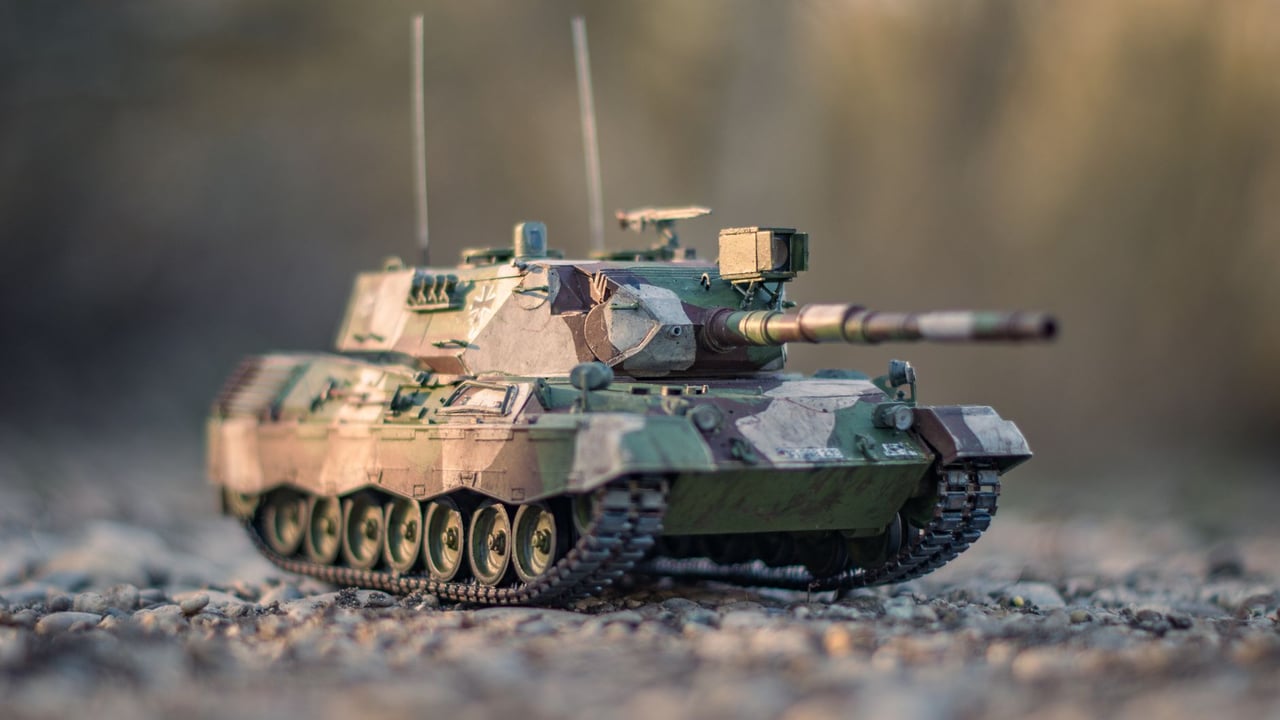

Germany is undergoing a radical military transformation as it confronts the evolving realities of 21st-century conflict. Defense Minister Boris Pistorius recently announced a massive €16 billion investment aimed at revolutionizing the Bundeswehr’s drone defense and reconnaissance capabilities. This strategic surge, expected to be fully implemented by 2030, represents one of the most significant shifts in German defense policy since the end of the Cold War.
The centerpiece of this initiative is the rapid establishment of counter-drone response units across all branches of the armed forces starting this July. By integrating these specialized units into the Army, Navy, and Air Force, Berlin aims to create a comprehensive defensive umbrella capable of neutralizing swarms and precision-guided autonomous threats. This move builds upon a successful pilot program launched by the Air Force last year, which has already achieved full operational status.
Beyond defensive measures, the procurement plan emphasizes a 'highly strategic and targeted' acquisition of various drone classes for both reconnaissance and active operations. Pistorius highlighted the necessity of speed and efficiency in the procurement process, signaling a move away from the bureaucratic delays that have historically plagued German military logistics. The goal is to ensure that troops are not only equipped with the latest hardware but are also rigorously trained in its tactical application.
This fiscal commitment is mirrored by a broader expansion of the German defense budget, which is projected to hit 4% of GDP by 2026. German officials have even suggested that this figure could rise to 5% as the nation seeks to bolster its position within NATO and secure European airspace. Such spending levels indicate that Berlin is no longer merely meeting its alliance obligations but is striving to become the primary conventional military anchor of the continent.