
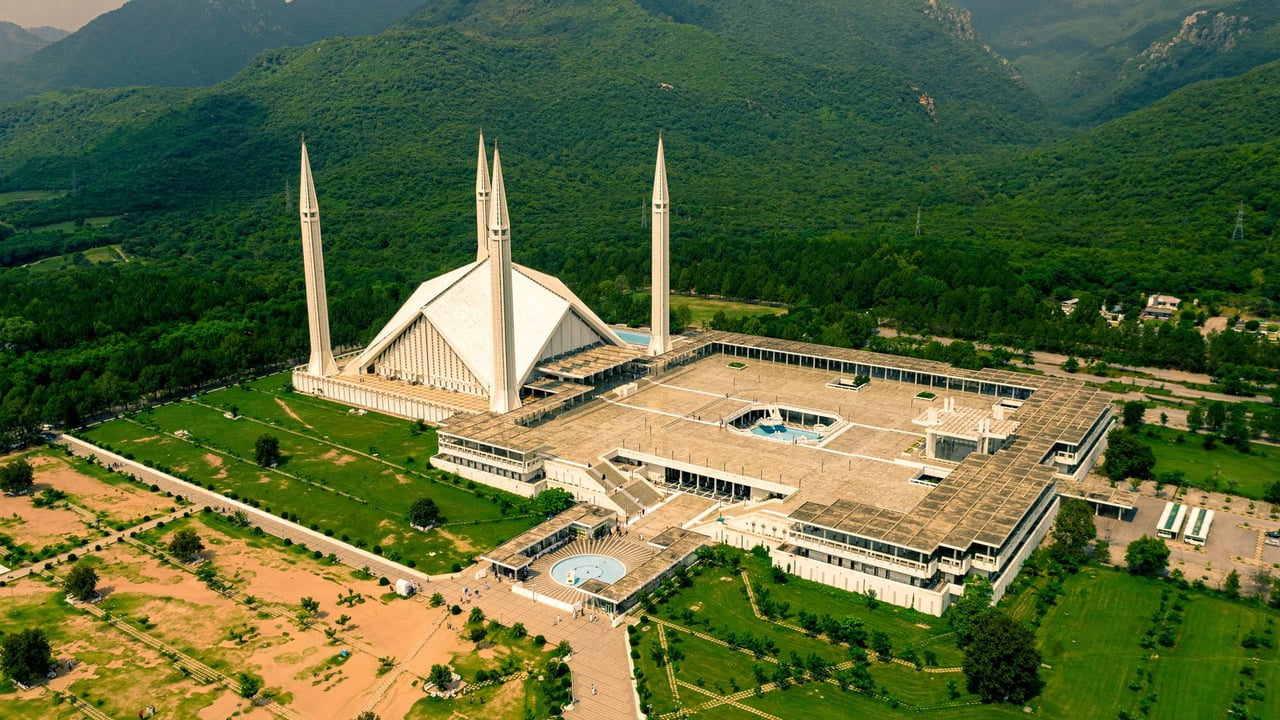

In a move that caught global markets and diplomatic circles by surprise, President Donald Trump has officially signed a comprehensive Memorandum of Understanding (MoU) with the Islamic Republic of Iran. The document, dubbed the 'Islamabad Memorandum of Understanding,' marks the most significant diplomatic breakthrough between the two adversaries in decades. While a formal ceremony was originally slated for Friday in Switzerland, officials moved the signing forward to accelerate the reopening of the Strait of Hormuz and address mounting domestic political pressures in Washington.
The 14-point framework outlines a transformative roadmap intended to de-escalate regional tensions and reintegrate Iran into the global financial system. Central to the agreement is an immediate and permanent ceasefire across all military fronts, specifically naming Lebanon as a primary theater for the cessation of hostilities. In exchange for these security guarantees, the United States has committed to ending its maritime blockade and beginning the process of withdrawing military forces from the immediate periphery of Iran within 30 days of a final agreement.
Perhaps the most striking element of the MoU is the economic package. The United States, alongside regional partners, has pledged to facilitate a $300 billion reconstruction and development fund for the Iranian economy. This massive financial injection is paired with a promise to lift all unilateral and multilateral sanctions, including those originating from the UN Security Council and the IAEA, provided a final agreement is reached within a 60-day window. This 'transactional diplomacy' reflects a shift toward a 'maximum deal' strategy, replacing the previous era of 'maximum pressure.'
On the nuclear front, the agreement maintains a temporary status quo. Iran has reaffirmed its commitment not to pursue nuclear weapons and has agreed to dilute its existing enriched material stocks under IAEA supervision. However, the more complex technicalities of uranium enrichment and long-term monitoring have been deferred to the upcoming 'technical talks.' The document establishes a dynamic mechanism where economic relief is scaled based on Iranian 'goodwill,' providing both sides with leverage as they move toward a legally binding UN Security Council resolution to codify the peace.