
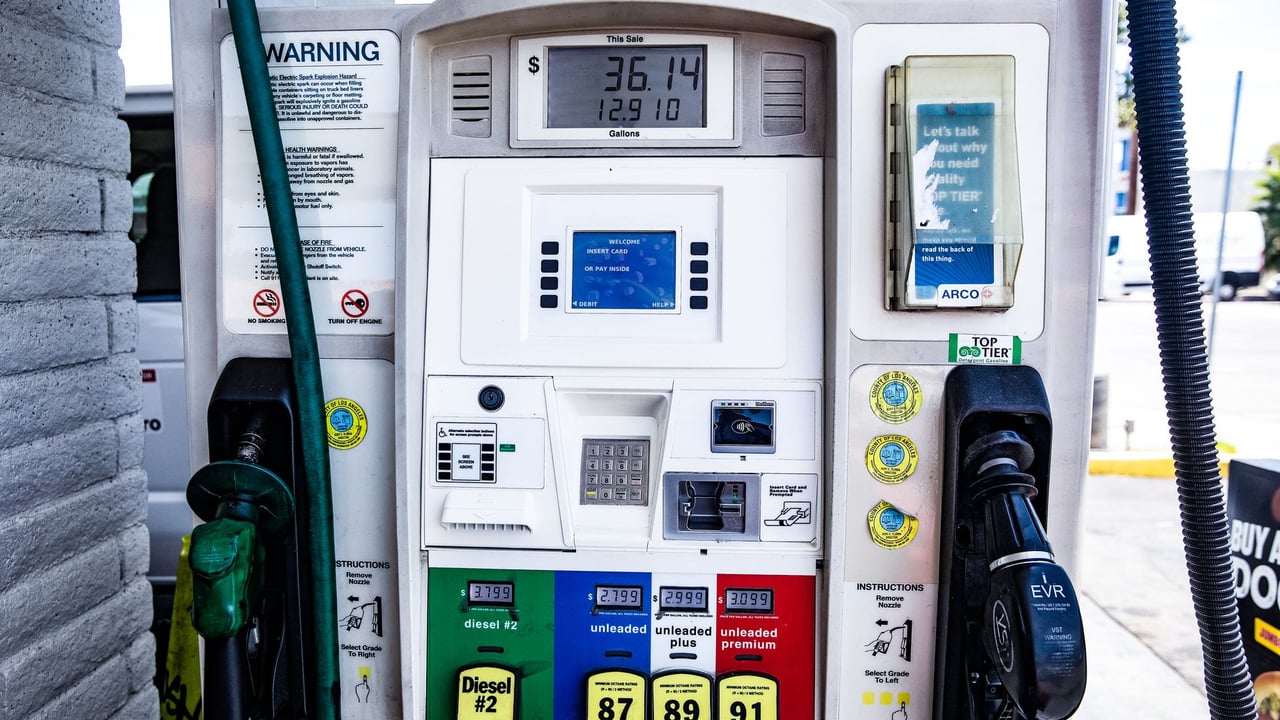

China’s domestic energy market has received a significant boost as the National Development and Reform Commission (NDRC) announced a sharp reduction in fuel prices, effectively dragging retail gasoline back into the ‘7-yuan era.’ Starting June 18, 2026, the price of gasoline and diesel has been slashed by 515 yuan and 495 yuan per ton, respectively. This move represents one of the most substantial downward adjustments in recent years, translating to a saving of roughly 20 yuan for a standard 50-liter tank for private motorists.
The timing of the price cut provides immediate relief to China’s logistics and service sectors ahead of the Dragon Boat Festival holiday. For the nation’s heavy-duty trucking industry, the savings are even more pronounced; a single long-haul truck covering 10,000 kilometers a month can expect to see fuel costs drop by nearly 800 yuan before the next price window. This disinflationary pressure on transport costs is expected to ripple through the broader economy, lowering the overhead for industrial supply chains.
While the NDRC’s move is a domestic administrative action, the underlying driver is a seismic shift in global geopolitics. The signing of the ‘Islamabad Memorandum of Understanding’ between the United States and Iran has fundamentally altered the risk profile of the global oil trade. Under the terms of the agreement, Tehran has moved to immediately reopen the Strait of Hormuz, while Washington has reciprocated by lifting its maritime blockade. This breakthrough has effectively liquidated the ‘geopolitical risk premium’ that had kept crude prices elevated for much of the year.
Market analysts suggest that the return of Iranian and regional crude to the global market will be swift and substantial. Projections indicate that Middle Eastern oil exports could surge from current levels of 7.8 million barrels per day to over 15 million barrels per day as production facilities and shipping lanes return to full capacity. This anticipated supply glut has sent Brent and WTI crude futures tumbling, with markets now pricing in a period of sustained surplus rather than scarcity.
Domestically, the impact is being felt across China’s refining landscape. While state-owned giants and independent ‘teapot’ refineries in Shandong initially faced bearish sentiment, the lower raw material costs and a slight rebound in regional demand have provided a floor for the market. As the next price adjustment window nears in early July, the consensus among analysts is that the downward trend is likely to persist, provided the fragile diplomatic thaw between Washington and Tehran holds.