Beijing Urges Restraint in Lebanon as Israeli Strikes Threaten Fragile US-Iran Rapprochement

China has called on all regional actors, including Israel, to support the implementation of a new Phase 1 Memorandum of Understanding between Iran and the United States. Foreign Ministry spokesperson Lin Jian warned that continued military action in Lebanon could jeopardize the fragile diplomatic progress and the transition to upcoming Phase 2 negotiations.

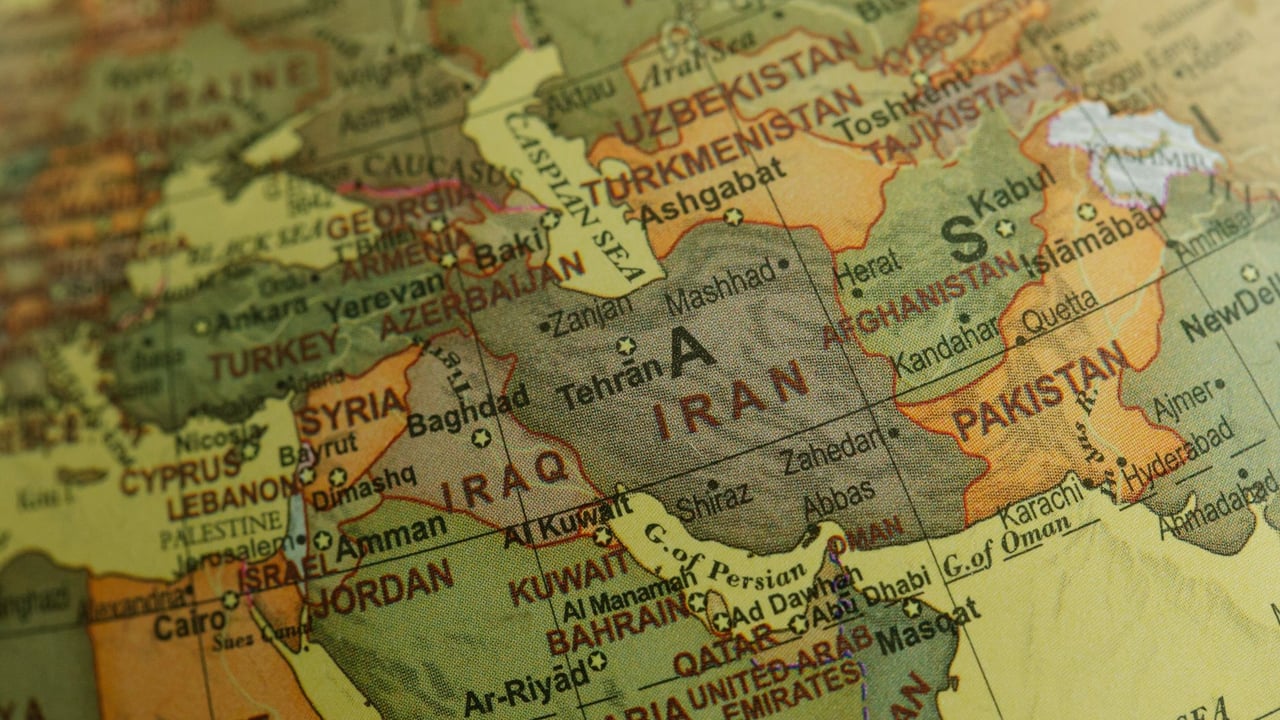
Close-up view of Middle East map highlighting countries and borders.

Key Takeaways

  • 1Iran and the United States have reached a Phase 1 Memorandum of Understanding aimed at regional de-escalation.
  • 2China views this agreement as a vital first step toward a more comprehensive Phase 2 negotiation process.
  • 3Beijing and Tehran have identified continued Israeli military operations in Lebanon as a primary threat to the diplomatic roadmap.
  • 4China is positioning itself as a guarantor of stability, urging all actors to prioritize the peace process over localized military objectives.

Editor's
Desk

Strategic Analysis

China’s rhetoric regarding the US-Iran MoU reveals its nuanced strategy of 'constructive participation.' While Beijing welcomes the thaw between its strategic partner, Iran, and its primary rival, the United States, it is wary of any escalation involving Israel that might force its hand. By publicly urging Israel to 'act in accordance with the peace,' China is not only supporting Tehran's diplomatic leverage but also testing its own ability to influence the behavior of a key US ally. This marks a shift from passive observation to active diplomatic steering, as Beijing seeks to ensure that Middle Eastern volatility does not disrupt its broader energy security and global economic interests.

China Daily Brief Editorial
Strategic Insight
China Daily Brief

The recently announced Phase 1 Memorandum of Understanding between Tehran and Washington represents a rare diplomatic breakthrough in a region long defined by stalemate and proxy conflict. However, this nascent detente is already facing its first major stress test as Israeli military operations in Lebanon continue unabated, drawing a measured but firm reaction from Beijing.

During a routine press briefing, Chinese Foreign Ministry spokesperson Lin Jian emphasized that the agreement provides a critical foundation for de-escalating regional tensions. China, which has increasingly positioned itself as a neutral arbiter in Middle Eastern affairs, views the implementation of this first phase as a non-negotiable prerequisite for the more complex Phase 2 negotiations scheduled to follow.

The primary friction point remains the spillover from the conflict in Lebanon. Iran has signaled that persistent Israeli military action could scuttle the entire diplomatic process, a sentiment that Beijing appears to echo through its calls for regional stability. By urging all parties to align with the 'greater good' of peace, China is signaling a subtle rebuke of military persistence in a theater that threatens to ignite a wider conflagration.

For China, the stakes are both strategic and reputational. Having previously brokered the Saudi-Iran normalization, Beijing is keen to see the US-Iran track succeed, provided it leads to a regional architecture where diplomatic frameworks, rather than military deterrence, dictate the security landscape. The Foreign Ministry's insistence on 'long-term peace and stability' underscores China's commitment to protecting its energy interests and the 'Belt and Road' infrastructure that spans the region.

Share Article

Related Articles

📰
No related articles found