Digital Detente: US and Iran Bypass Protocol to Sign Historic Remote Accord

The United States and Iran have officially implemented a Memorandum of Understanding through electronic signatures, bypassing a scheduled summit in Switzerland. The agreement was finalized by President Trump during a G7 meeting in France, marking a significant shift toward pragmatic, technology-enabled diplomacy.

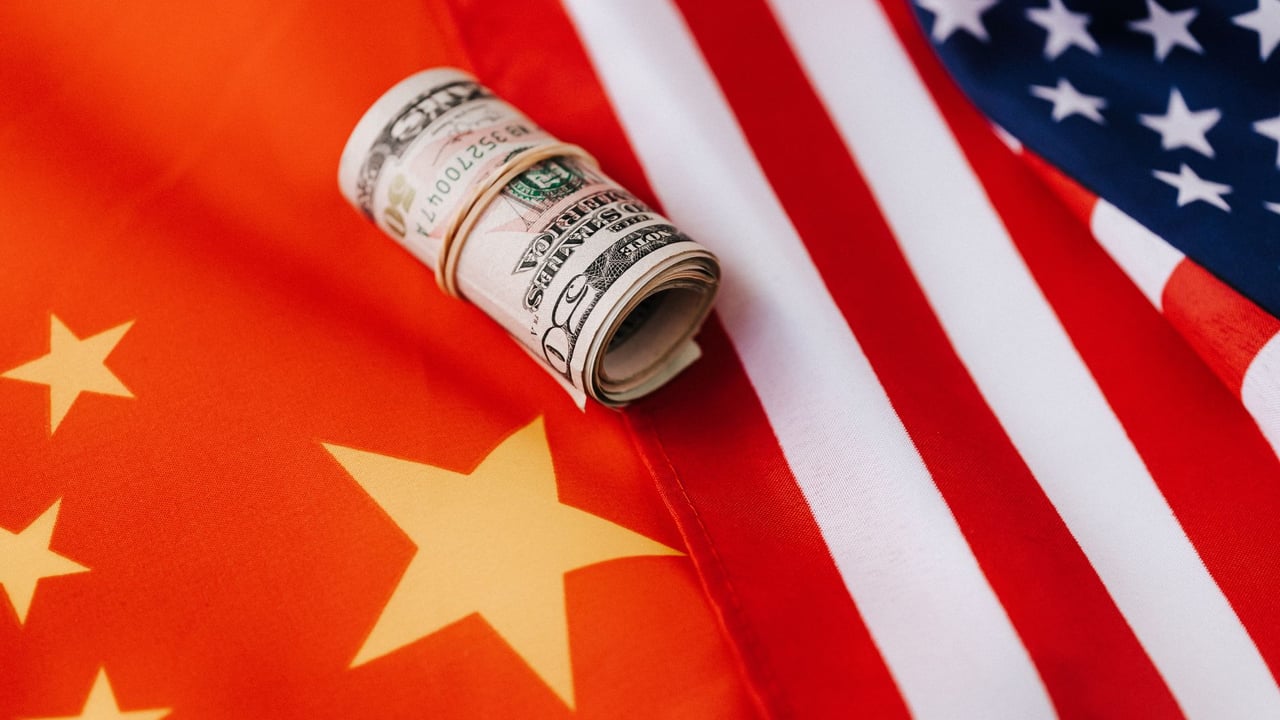
From above of roll of dollar bills tied with rubber band on bright American flag with stars and stripes symbolizing unity and peace

Key Takeaways

  • 1The US-Iran Memorandum of Understanding is officially in effect following remote electronic signatures.
  • 2President Trump signed the document at the Palace of Versailles during the G7 summit, with French facilitation.
  • 3Signatories include Vice President JD Vance and Iranian Parliament Speaker Mohammad Bagher Ghalibaf.
  • 4A planned formal ceremony in Switzerland on June 19 may no longer take place due to the finalized status of the digital accord.
  • 5The agreement represents a strategic pivot toward digital diplomacy to manage sensitive bilateral relations.

Editor's
Desk

Strategic Analysis

The decision to utilize remote electronic signatures for a major international accord marks a watershed moment in geopolitical statecraft. By avoiding the 'photo-op' diplomacy of a traditional summit, both Washington and Tehran have neutralized potential domestic backlash from hardliners who would view a physical handshake as a concession. This transactional approach, facilitated by French mediation at the G7, suggests that the current US administration is prioritizing rapid, functional outcomes over long-standing diplomatic protocols. For the global community, this implies that the 'Trump-Vance' foreign policy doctrine may favor bilateral, tech-enabled agreements that can be executed with minimal administrative friction, potentially altering the pace of future crisis management in the Middle East.

China Daily Brief Editorial
Strategic Insight
China Daily Brief

In a move that redefines the mechanics of modern diplomacy, the United States and Iran have officially enacted a landmark Memorandum of Understanding (MoU) through remote, electronic signatures. White House officials confirmed on June 17 that the agreement is already 'in effect,' signaling a breakthrough that sidesteps the traditional, high-stakes pageantry of international summits. The deal was finalized as President Donald Trump attended a G7 summit dinner at the Palace of Versailles, hosted by French President Emmanuel Macron.

The Iranian Ministry of Foreign Affairs corroborated the development, noting that both nations agreed to utilize electronic signatures for their respective heads of state to expedite the process. This digital approach allowed the administration to bypass the logistical and political hurdles of a face-to-face meeting between Trump and Iranian leadership. Reports indicate that Vice President JD Vance and Iranian Parliament Speaker Mohammad Bagher Ghalibaf were also key signatories in the preceding days.

While a formal signing ceremony had been tentatively scheduled for June 19 in Switzerland, its necessity is now in question. A senior US official had already read the formal text of the MoU to the press earlier in the week, preparing the public for a shift in relations that has been months in the making. The shift toward a digital signing suggests a desire for immediate implementation over the optics of a public handshake, which remains a sensitive issue in both Washington and Tehran.

The involvement of President Macron as a facilitator during the G7 summit highlights the role of European intermediaries in bridging the gap between the two adversaries. By signing the document amidst the opulence of Versailles while simultaneously engaging with G7 allies, the Trump administration appears to be framing the accord as a victory for pragmatism. This development marks a significant departure from years of maximum pressure, suggesting a new era of transactional diplomacy in the Middle East.

Share Article

Related Articles

📰
No related articles found