Tehran’s Ultimatum: Iran Sets 30-Day Deadline for U.S. to Lift Maritime Blockade

Iran has issued a 30-day ultimatum to the United States to end its maritime blockade, setting the stage for a 60-day negotiation window toward a final agreement. Tehran is simultaneously asserting exclusive control over the Strait of Hormuz and linking regional maritime stability to Israeli military actions in Lebanon.

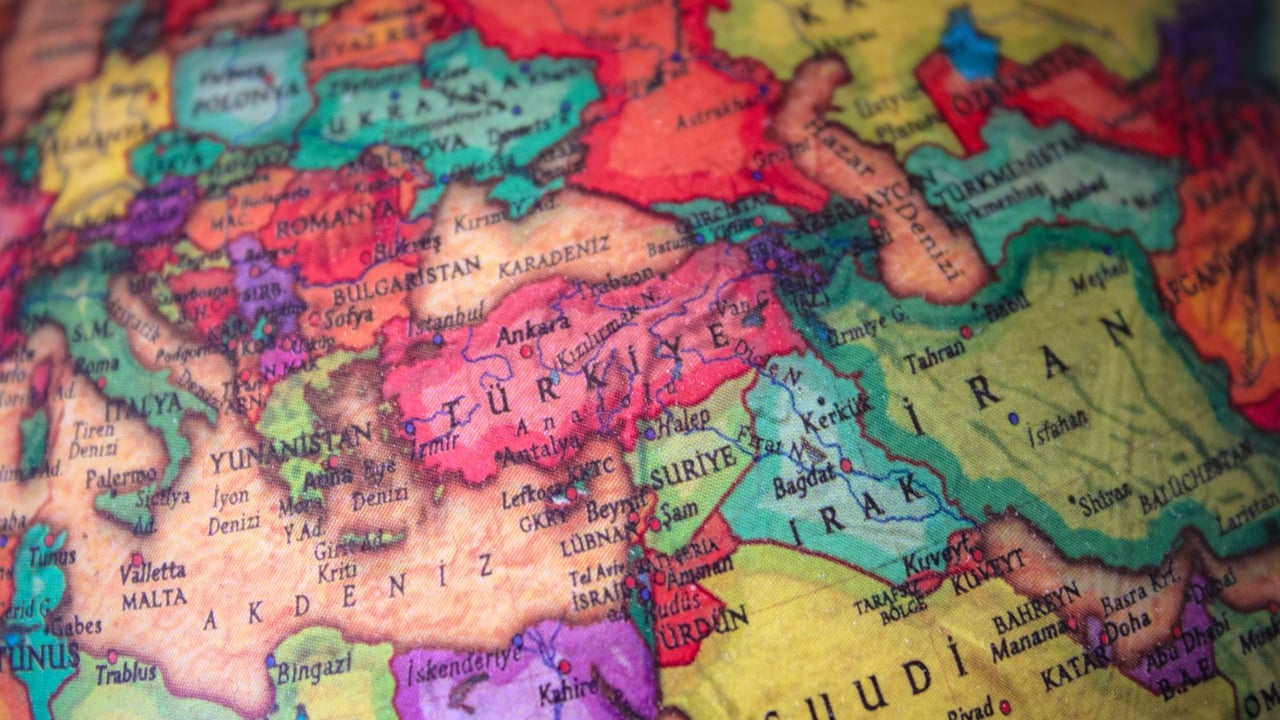
Vibrant map featuring countries in the Middle East and Europe with detailed borders.

Key Takeaways

  • 1Iran demands the U.S. lift its maritime blockade within 30 days as a precursor to wider stability.
  • 2A 60-day timeline has been established for Iran and the U.S. to negotiate a final comprehensive agreement.
  • 3Tehran claims exclusive responsibility for the Strait of Hormuz, rejecting any foreign intervention in its management.
  • 4Iran warns that continued Israeli presence in Lebanon will be considered a breach of diplomatic understandings.
  • 5Cooperation with Oman is highlighted as the primary mechanism for regional maritime traffic control.

Editor's
Desk

Strategic Analysis

Tehran is engaging in a sophisticated form of coercive diplomacy, utilizing the Strait of Hormuz as its primary piece of leverage. By setting a 30-day deadline for the U.S. to lift its blockade, Iran is testing the domestic political will of the American administration and its appetite for a potential naval confrontation. The exclusion of international task forces from Hormuz in favor of a bilateral arrangement with Oman is a calculated move to establish a 'new normal' where the U.S. Navy is no longer the guarantor of freedom of navigation. This 'final agreement' mentioned by Baghaei likely represents a last-ditch effort to secure a security framework that preserves the regime's interests while neutralizing the threat of Western economic and military containment.

China Daily Brief Editorial
Strategic Insight
China Daily Brief

In a move that signals a critical juncture for Middle Eastern security, Iranian Foreign Ministry spokesperson Baghaei has issued a 30-day ultimatum for the United States to dismantle its maritime blockade. This demand comes alongside a broader diplomatic timeline, with Tehran claiming that both nations have agreed to enter negotiations for a 'final agreement' within the next 60 days. The convergence of these deadlines suggests a high-stakes gamble by the Islamic Republic to force sanctions relief while the window for diplomacy remains open.

Central to Tehran’s strategy is the assertion of regional hegemony over the Strait of Hormuz, the world’s most vital energy artery. Baghaei emphasized that the management of the strait is an 'Iranian responsibility' to be handled exclusively by Tehran in coordination with Oman. By explicitly rejecting the participation or intervention of outside powers, Iran is directly challenging the long-standing U.S.-led maritime security architecture that has defined the region’s waters for decades.

The rhetoric also links maritime stability to the ongoing volatility in the Levant. Iran warned that any continued Israeli occupation of Lebanese territory would be viewed as a violation of existing memoranda of understanding, prompting 'necessary measures' from Tehran. This linkage effectively turns the Strait of Hormuz into a geopolitical lever, where the flow of global energy is tethered to the actions of the Israel Defense Forces in Lebanon.

As the 60-day countdown to a potential grand bargain begins, the international community faces a period of intense uncertainty. Iran’s insistence on managing Hormuz independently represents a push for a 'regional-only' security model that seeks to marginalize Western influence. Whether Washington will acquiesce to these terms or double down on its presence remains the pivotal question that will determine the risk of a naval escalation in the coming weeks.

Share Article

Related Articles

📰
No related articles found