A New Leap from Nature: Researchers Trace Current Ebola Outbreak to Fresh Zoonotic Transmission

Joint researchers in Central Africa have confirmed that the current Ebola outbreak is a new cross-species event rather than a reactivation of previous human transmission chains. With over 200 dead in the DRC, officials are urging for intensified cross-border cooperation to track and contain the virus.

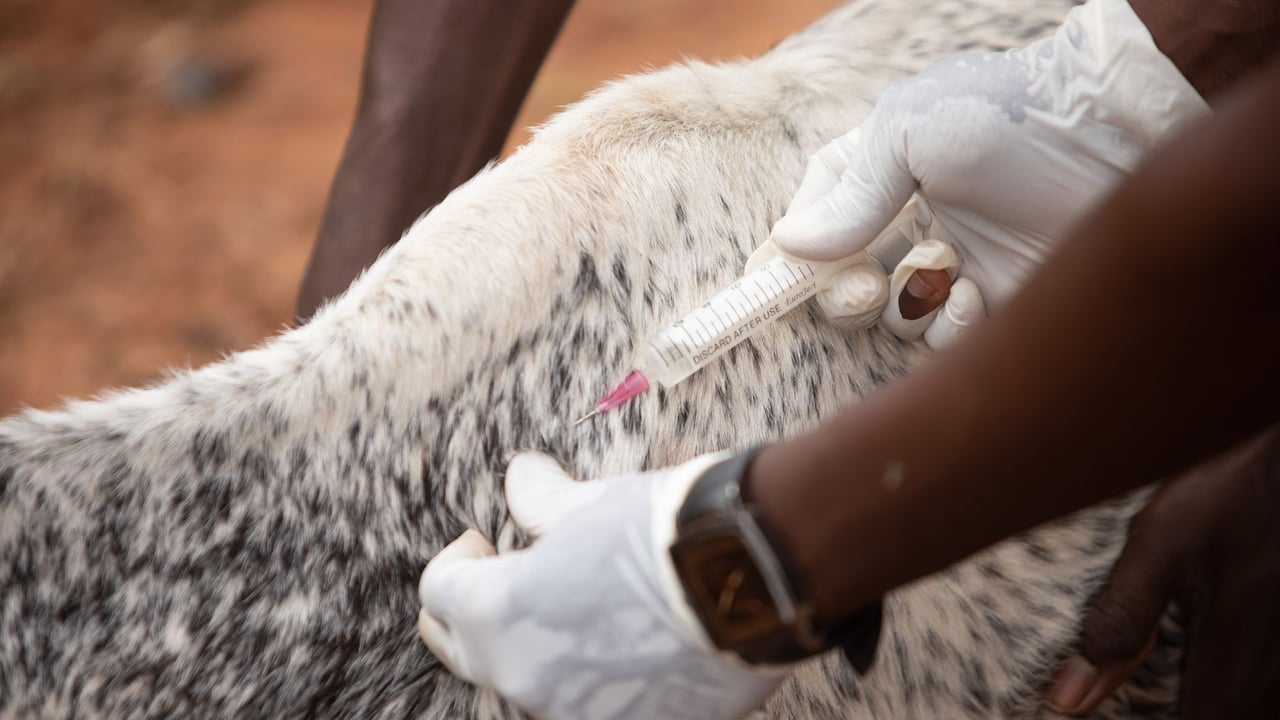
A veterinarian giving an injection to a spotted animal outdoors, showcasing animal healthcare practices.

Key Takeaways

  • 1Genetic sequencing confirms the Bundibugyo Ebola strain is a new zoonotic leap from wildlife.
  • 2The findings rule out 'hidden' human-to-human transmission from previous outbreaks in 2007 or 2012.
  • 3The DRC has recorded over 870 cases and 202 deaths, primarily in the Ituri province.
  • 4Uganda reports 19 cases and two deaths, prompting calls for stricter cross-border monitoring.
  • 5Scientific teams emphasize that border cooperation is critical for virus tracking and containment.

Editor's
Desk

Strategic Analysis

The confirmation of a fresh zoonotic leap underscores a terrifying reality for global health: the 'spillover' threat is increasing in frequency and unpredictability. By genetically distinguishing this strain from those of 2007 and 2012, researchers have debunked the theory of persistent human reservoirs for this specific outbreak, placing the blame squarely on the encroaching human-wildlife interface. This scientific clarity is a double-edged sword; while it simplifies the epidemiological search for 'patient zero,' it highlights the ongoing failure to manage ecological health in Central Africa. Furthermore, the reliance on DRC-Uganda cooperation is a fragile pillar for regional security, as political instability in these border regions often undermines the very transparency needed to stop a pandemic in its tracks.

China Daily Brief Editorial
Strategic Insight
China Daily Brief

A joint research initiative between the Democratic Republic of the Congo (DRC) and Uganda has confirmed that the current Bundibugyo-strain Ebola outbreak originated from a fresh cross-species leap from wildlife to humans. This finding, released on June 18, 2026, effectively rules out the possibility that the virus had been circulating undetected among human populations for years. The discovery shifts the focus of the public health response from finding hidden human carriers to addressing the ecological interfaces where humans and wildlife interact.

Viral gene sequencing conducted by Uganda's National Health Laboratory and the DRC’s National Institute of Biomedical Research (INRB) provided the smoking gun for this conclusion. The data revealed that the current strain possesses significant genetic variations compared to the Ebola strains that caused outbreaks in Uganda in 2007 and the DRC in 2012. This genetic distance confirms that the 2026 surge is not a reactivation of past viral remnants but a distinct spillover event.

The human cost of this latest jump has been severe. Since the official declaration of the outbreak on May 15, the DRC has reported over 870 confirmed cases and 202 deaths, with the majority of the devastation centered in Ituri province. Across the border, Uganda has managed to keep numbers lower, recording 19 cases and two fatalities, though the threat remains acute given the porous nature of the border regions.

Health officials and researchers are now calling for a surge in cross-border epidemiological cooperation. Tracking the spread of such a virulent pathogen in a region historically plagued by conflict and weak infrastructure requires seamless data sharing and joint border controls. Scientists emphasized that understanding the zoonotic origin is only the first step; the priority now is to contain the spread before it transitions from a regional crisis into a global health security threat.

Share Article

Related Articles

📰
No related articles found