
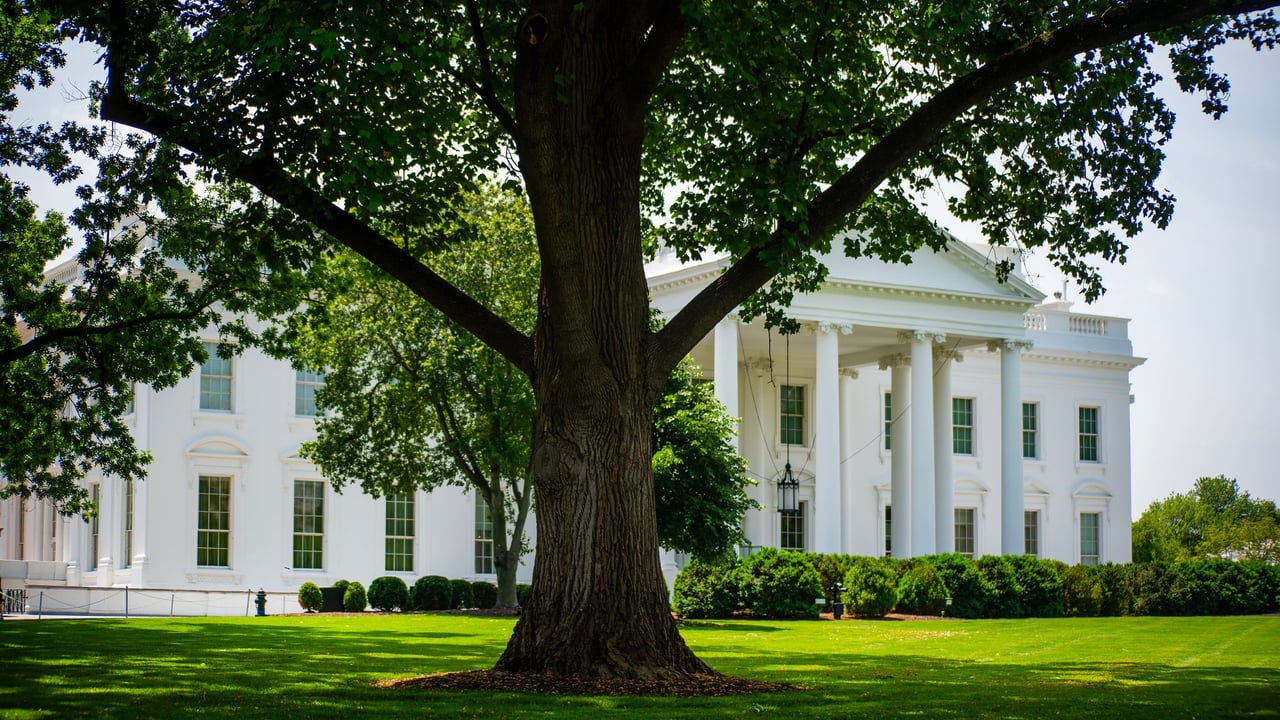

On June 14, 2026, the South Lawn of the White House was transformed into a surreal stage for the intersection of combat sports and national pageantry. To mark the 250th anniversary of the United States, President Donald Trump hosted the UFC 250 championship, bringing the octagon to the very heart of American executive power. Yet, behind the spectacle of pugilism and patriotism, the Federal Bureau of Investigation was quietly neutralizing a plot that aimed to turn this celebration into a scene of historic carnage.
FBI Director Kash Patel recently disclosed that the bureau successfully dismantled a sophisticated, three-stage terrorist operation targeting the President and the upper echelons of the American political and financial establishment. The conspiracy reportedly involved the use of explosive-laden drones to strike buildings surrounding the White House, followed by mass shootings at exits as spectators fled in panic. The final phase of the operation intended for a direct breach of the White House itself, aiming for what the perpetrators termed a "political purge."
Intelligence analysts suggest the plot was born from a radicalized core of domestic actors driven by an intense animosity toward the current administration and the broader systemic status quo. This was not merely an assassination attempt but a calculated strike against the perceived "elite" who control the nation's capital. In the eyes of the conspirators, the removal of these figures was a necessary prerequisite for a total transformation of the American state, revealing a level of ideological desperation that transcends traditional partisan friction.
The FBI’s success in thwarting the attack is attributed to a combination of high-tech surveillance and old-school espionage. Sources indicate that agents monitored encrypted communications on the Signal platform, while undercover assets successfully infiltrated the group’s inner circle during the planning stages. This dual approach allowed the bureau to execute a coordinated "sting" operation, preventing what could have been the most devastating act of domestic terrorism since the 11th of September.
However, the resolution of the immediate threat does little to address the underlying social fractures that fuel such extremism. The incident serves as a grim barometer for the current American landscape, where economic inequality and social polarization have created a fertile breeding ground for radicalism. While the administration may lean into heightened security measures and aggressive prosecution, these actions risk further alienating a public that feels unheard by its governing institutions.
Ultimately, the survival of the Trump cabinet on that June afternoon provides only a temporary reprieve from a larger systemic crisis. If the voices of the marginalized and the angry are met solely with repression rather than structural reform, the cycle of violence is likely to persist. The challenge for the future lies not just in the capability of the FBI to monitor threats, but in the ability of the political class to heal a nation that increasingly views them as the enemy.