
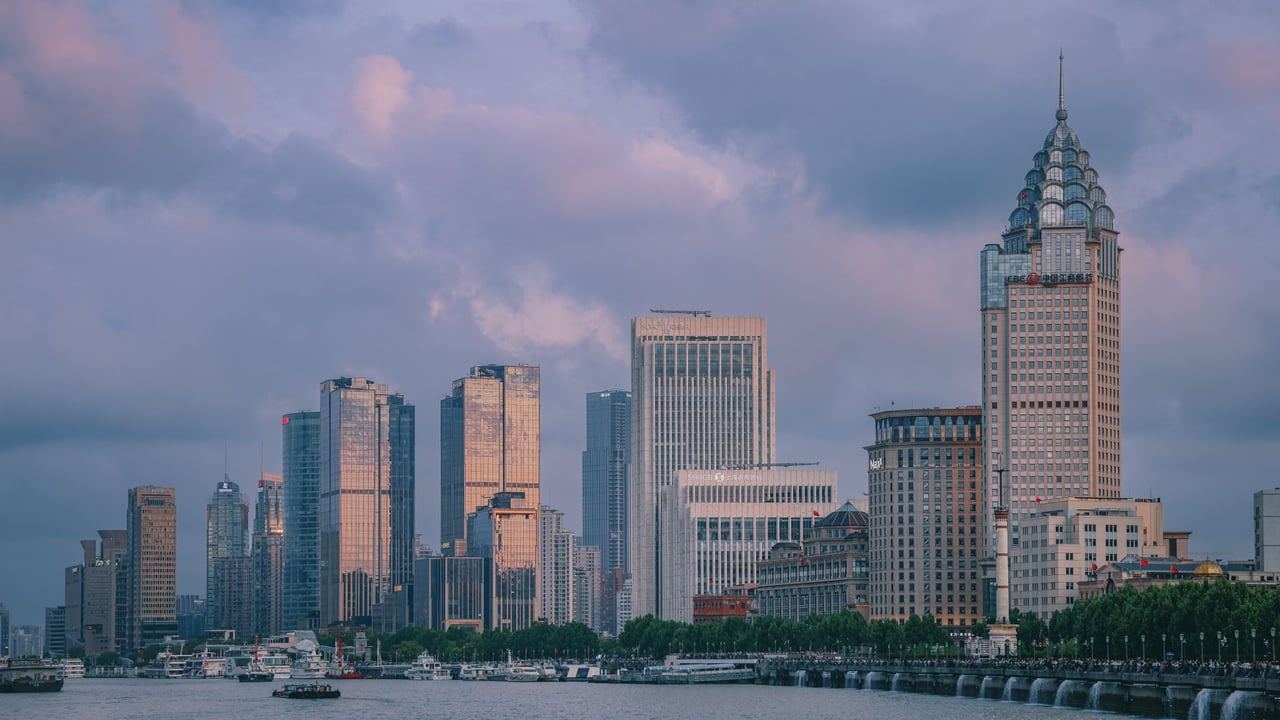

While much of China’s real estate sector remains mired in a multi-year slump, the nation’s financial hub, Shanghai, is beginning to broadcast signals of a distinct recovery. The city's residential market is currently characterized by a 'marginal strengthening' trend, where second-hand transaction volumes are surging and, more tellingly, some developers are beginning to hike prices on new projects.
Data from the first half of June reveals a significant uptick in momentum. By mid-month, second-hand home registrations in Shanghai reached 14,100 units, a 31% increase compared to the same period last year. At this pace, the city is expected to facilitate approximately 25,000 transactions by the end of the month, a figure often cited by analysts as the threshold for a 'healthy' or 'hot' market in the metropolis.
The price action is equally notable. According to the National Bureau of Statistics, Shanghai’s secondary market prices rose 0.6% in May, leading the country and marking the fourth consecutive month of growth. Even in the new-build sector, prices edged up 0.2% month-on-month, defying the broader national trend of discounting and liquidation.
In the Baoshan Nanda district, a new development recently unveiled its second phase with an average price of 68,500 yuan per square meter. This represents a significant jump from its first phase, with some units seeing a price hike of over 2,000 yuan per square meter. Developers appear emboldened by strong sell-through rates, which in this case exceeded 80% for the initial units launched late last year.
The trend extends to the luxury segment in the prestigious Xuhui Riverside area. A new project recently launched with an average price of 206,000 yuan per square meter, a staggering 40,000 yuan increase compared to nearby benchmark projects from just three years ago. This suggests that for high-net-worth buyers, the appetite for premium assets in core locations remains undiminished.
However, the market remains nuanced and highly bifurcated. While 'trophy assets' and core districts see upward price pressure, the recovery has yet to reach the city's periphery in a meaningful way. This 'localised lift' indicates a flight to quality rather than a broad-based speculative frenzy, suggesting that Shanghai is decoupling from the national crisis to re-establish itself as a safe haven for domestic capital.