

The diplomatic landscape surrounding Iran’s nuclear ambitions has shifted toward a new, more rigid equilibrium as France asserts its role as a primary gatekeeper for Tehran’s economic future. French Foreign Minister Jean-Noël Barrot recently clarified that as a permanent member of the United Nations Security Council, France holds an effective veto over any moves to roll back international sanctions. This stance marks a significant hardening of the European position following the chaotic breakdown of previous diplomatic frameworks.
While the United States and Iran have reportedly reached a memorandum of understanding, Paris is signaling that a bilateral agreement with Washington will not suffice to unlock the global financial system. Barrot emphasized that France expects "major concessions" before it will consider lifting the restrictions. These demands now extend far beyond the narrow technical limits of the 2015 nuclear deal, encompassing Iran’s ballistic missile program, its regional security footprint, and maritime stability in the vital Strait of Hormuz.
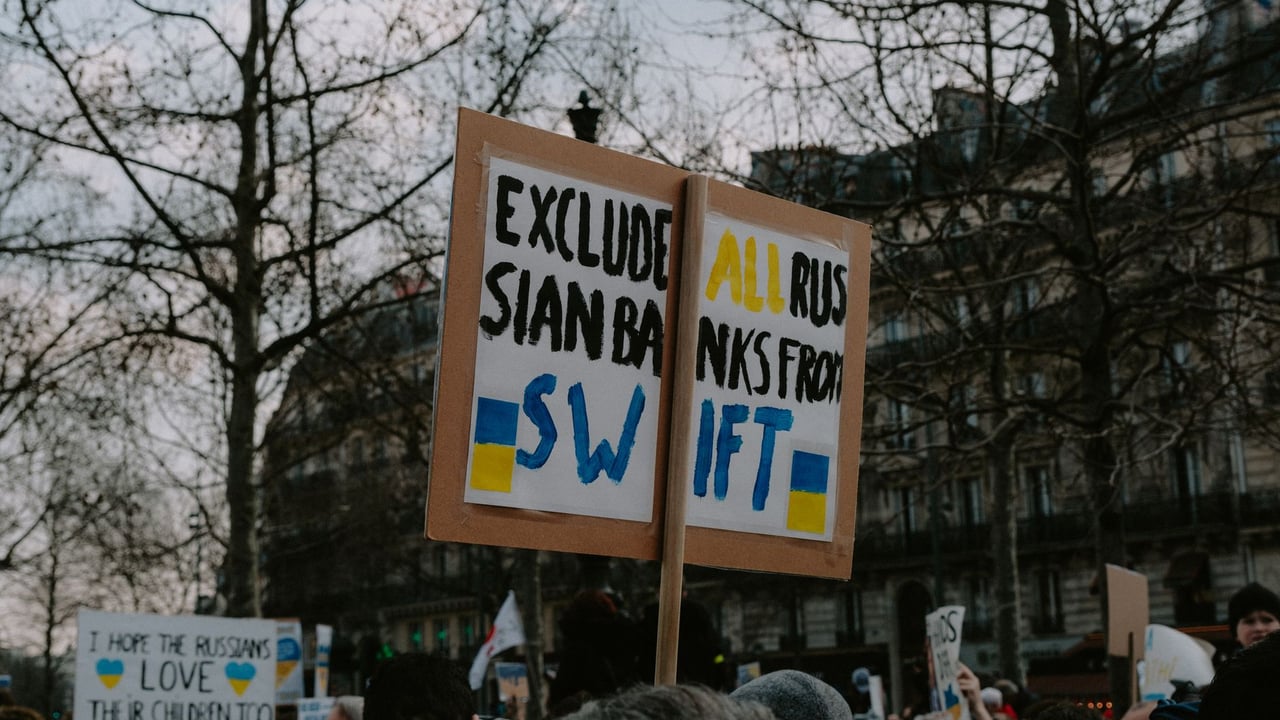
This assertive posture is the direct result of the 2025 "snapback" mechanism, which saw Britain, France, and Germany formally trigger a return to full UN sanctions after alleging persistent Iranian violations of enrichment limits. By successfully restoring the international sanctions regime in September 2025, the E3 powers have reclaimed a leverage that was nearly lost during the years of post-JCPOA stagnation. For Tehran, the path to sanctions relief now runs directly through the Quai d'Orsay, not just the White House.
Despite this firm stance on sanctions, France continues to distance itself from more hawkish calls for military intervention. Barrot reiterated that Paris remains opposed to a war with Iran, which it views as a violation of international law and a recipe for regional catastrophe. Instead, France is positioning itself as a strategic mediator, simultaneously pressuring Israel and Hezbollah to maintain a ceasefire while urging the United States to exercise greater restraint over its allies in the Levant.