
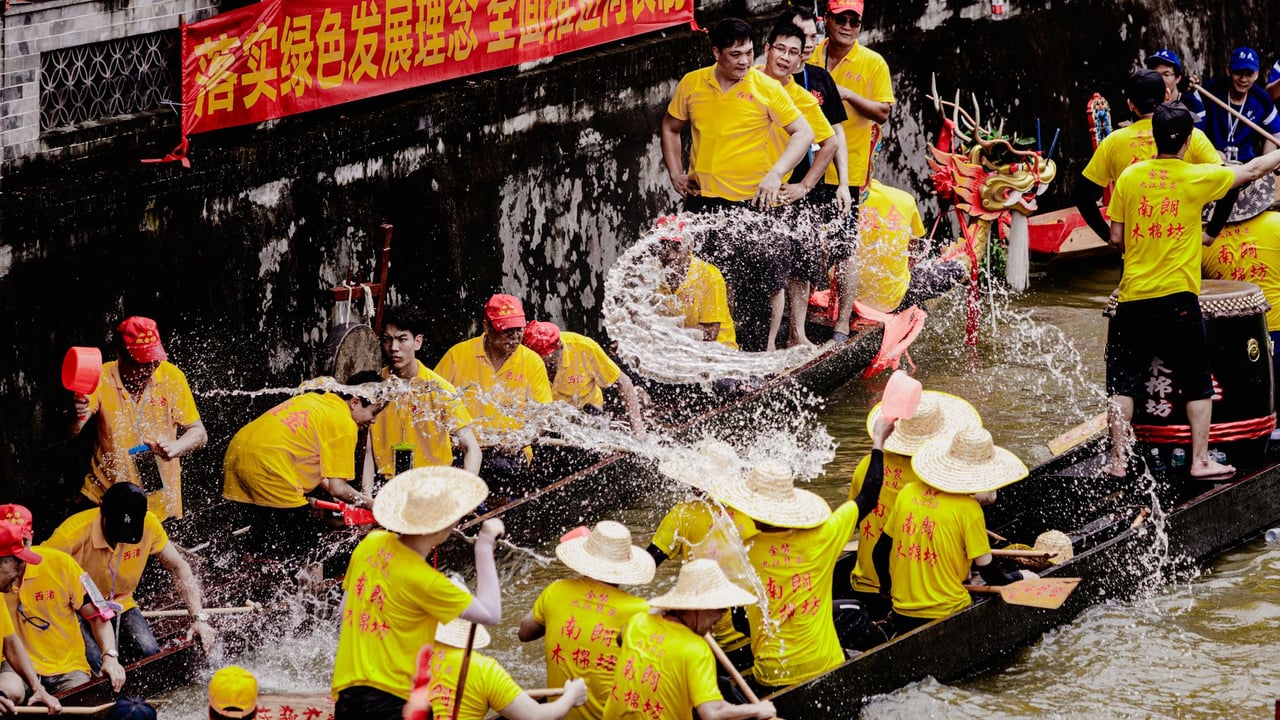

Every year, as the lunar calendar approaches the fifth day of the fifth month, the rivers of southern China transform into arenas of explosive physical exertion. While the Dragon Boat Festival is a centuries-old tradition, a new phenomenon is capturing the national imagination: the rise of the veteran rowing squad. In a video recently circulating across Chinese social media, one such team composed of retired servicemen has demonstrated a level of synchronized power that separates them from the amateur pack.
Spectators have noted that while typical boats glide across the water, the veterans’ vessel appears to "jump" with every stroke. This rhythmic verticality is a testament to the explosive leg drive and perfectly timed core engagement honed through years of military training. For many viewers, the sight is more than just a sporting feat; it is a display of residual martial discipline translated into a civilian spectacle that resonates with a culture valuing collective strength.
The prominence of these veteran teams comes at a time when the Chinese government is increasingly emphasizing the integration of retired military personnel into local governance and community life. By excelling in high-visibility cultural events, veterans reinforce their image as disciplined, reliable, and physically superior members of society. This narrative serves to bolster the prestige of the armed forces and encourages a culture of respect for those who have served.
Beyond the optics, the "jumping" boat phenomenon reflects a broader trend of professionalization in traditional Chinese sports. What was once a village-level folk activity is increasingly becoming a platform for elite athleticism and regional pride. The intensity of the veteran teams sets a new benchmark, turning a festive race into a display of national strength and collective willpower that aligns with the contemporary zeitgeist of a rejuvenating nation.