
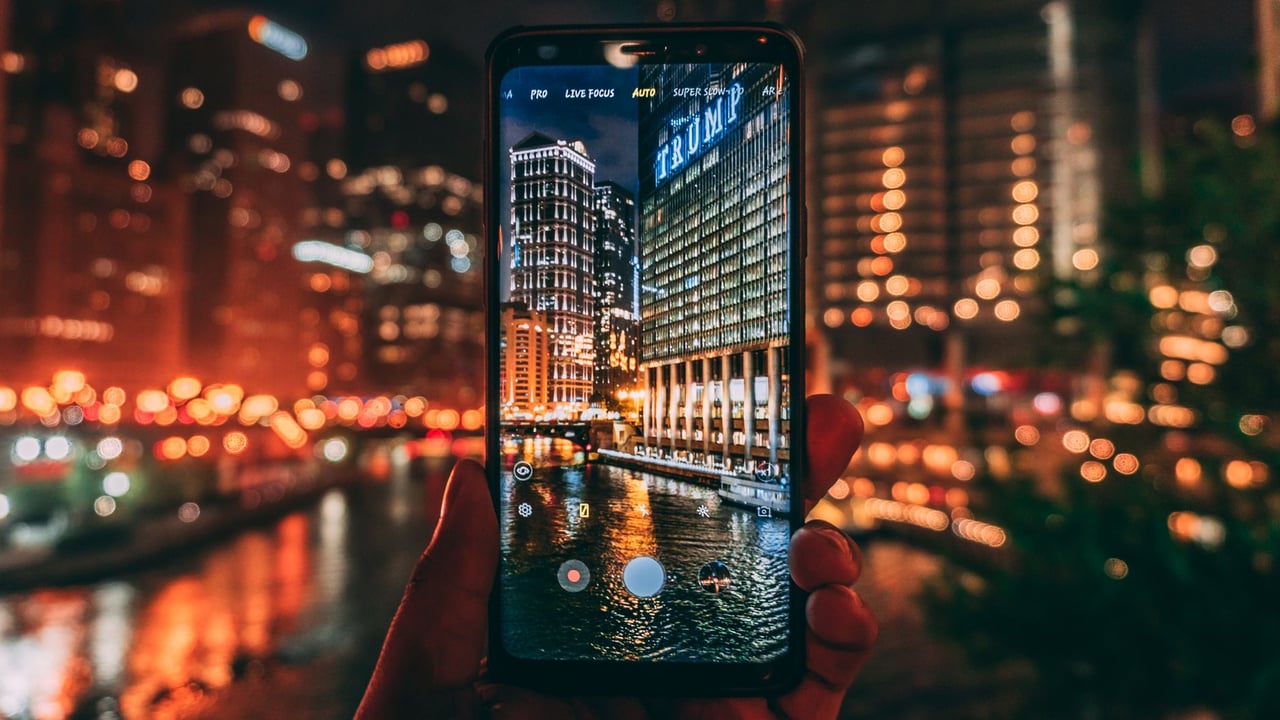

The launch of the first 'Trump Mobile' smartphone in mid-2026 has been marketed as a triumph of American ingenuity and a symbol of national pride. Clad in high-tech aesthetics and targeted at a loyal political base, the device aims to bridge the gap between partisan lifestyle branding and the competitive consumer electronics market. However, early investigations into the device's origins reveal a deep-seated irony that complicates its 'America First' messaging.
Despite the patriotic veneer, industry insiders confirm that the Trump Mobile is fundamentally a product of the very ecosystem it often seeks to distance itself from: the industrial hubs of Southern China. The smartphone was reportedly designed by a Shenzhen-based firm and manufactured in factories across Guangdong province. This reliance on Chinese infrastructure highlights the persistent difficulty of decoupling high-tech consumer goods from China’s mature and efficient supply chains.
For a brand built on the rhetoric of reshoring manufacturing and reducing dependency on foreign adversaries, the Trump Mobile serves as a stark reminder of economic reality. Even as political leaders call for a separation of the world's two largest economies, the specialized labor, component ecosystems, and rapid prototyping capabilities of Shenzhen remain unparalleled. For new entrants in the mobile space, avoiding China often means sacrificing profit margins or time-to-market.
This development suggests that 'nationalist branding' is increasingly becoming a layer of digital marketing rather than a reflection of a domestic supply chain. By outsourcing to China while selling a message of American exceptionalism, the brand follows the well-trodden path of many global tech giants. The success of the Trump Mobile will likely depend on whether its audience prioritizes the logo on the back over the 'Made in China' label on the box.