
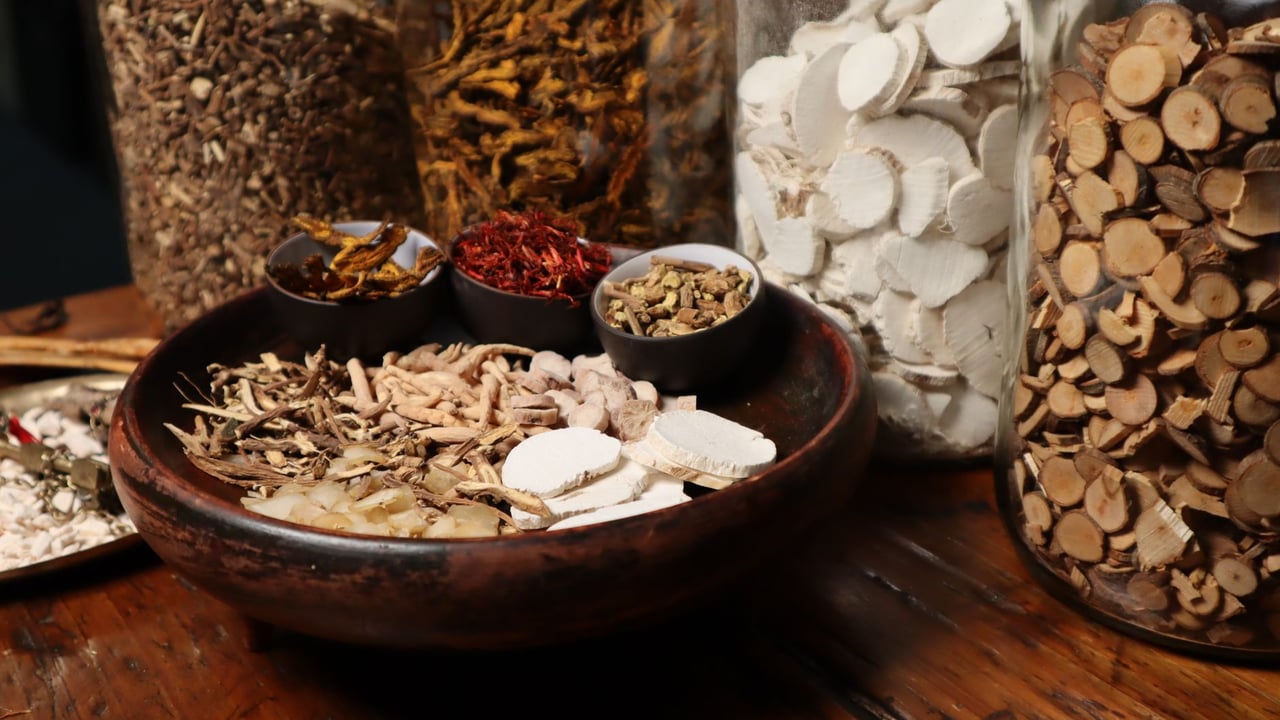

In the bustling industrial hub of Tianjin, a centuries-old tradition is undergoing a high-tech metamorphosis. At the National Modern Traditional Chinese Medicine (TCM) Innovation Center, the intuitive expertise of 'lao yaogong'—veteran herbalists whose senses have been honed over decades—is being encoded into neural networks. This initiative represents a pivotal shift in China’s strategy to modernize its domestic medicine sector, moving away from subjective, experience-based assessments toward a data-driven, precision-oriented model.
The challenge for TCM has long been the inherent variability of natural products. Unlike synthetic pharmaceuticals, the quality of a single root or leaf can vary wildly based on soil, harvest time, and processing methods. By utilizing artificial intelligence for rapid identification and non-destructive testing, the center aims to eliminate the guesswork that has historically hindered the industry's international scalability. These 'Smart Eyes' can analyze the chemical composition and physical properties of herbs without damaging the material, a crucial advancement for preserving expensive and rare resources.
This technological leap is part of a broader state-led effort to address the 'weak links' in the TCM supply chain. During a recent 'Vitality China' tour, officials highlighted how these AI systems are not merely tools for automation but are intended to define new industry-wide standards for quality and efficacy. By digitizing the tacit knowledge of human experts, China hopes to improve the overall quality and economic output of a sector that is increasingly central to its national health strategy.
Beyond domestic goals, the integration of AI into TCM serves as a bridge for global acceptance. One of the primary barriers to TCM’s expansion in Western markets has been the difficulty of achieving consistent standardization. If the Innovation Center can successfully demonstrate that AI can provide the same level of quality assurance as a liquid chromatography test—but at a fraction of the time and cost—it could reposition traditional treatments as a viable, scientifically-validated alternative in the global biotech landscape.