Trump’s Middle East Gamble: Trading Missile Tolerance for a Fragile Peace

President Trump has announced expectations for a comprehensive Middle East ceasefire while signaling a major policy shift by accepting Iran's ballistic missile program. This move aims to balance regional power but faces intense opposition from Israel and questions over the long-term strategic cost.

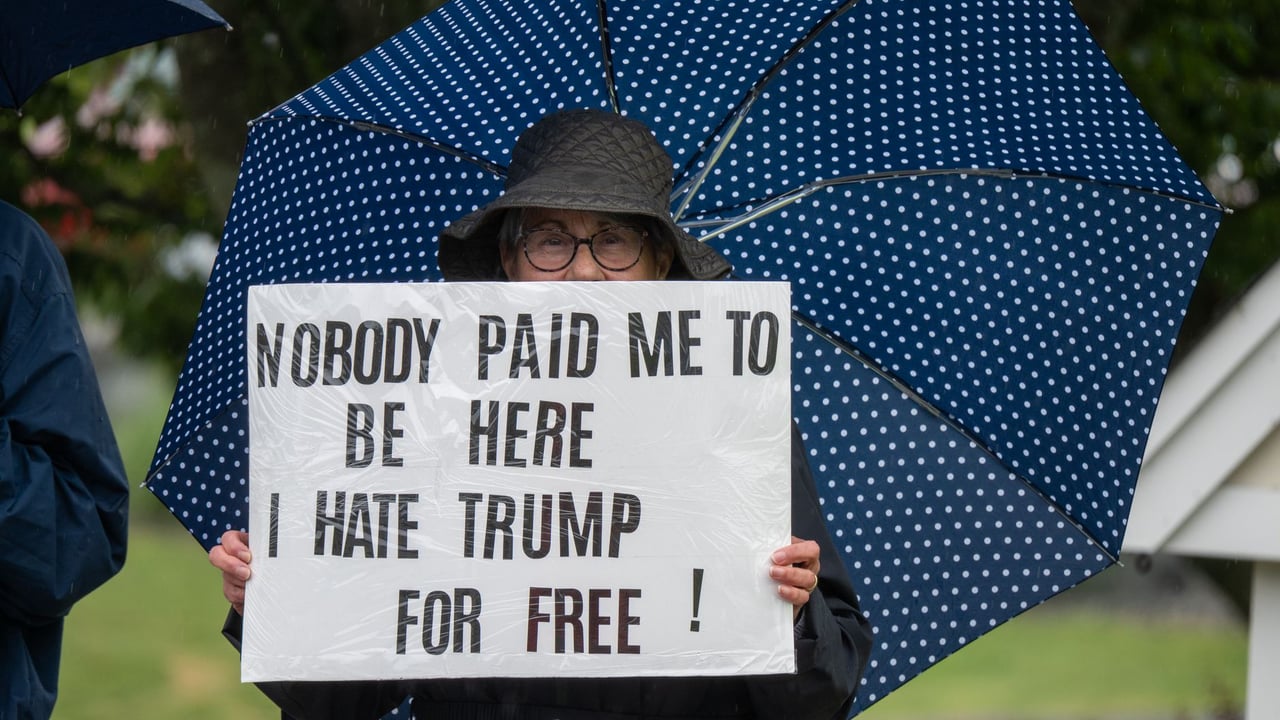
Protester with sign and umbrella during a rally in Rhode Island.

Key Takeaways

  • 1Trump anticipates a 'total ceasefire' across all fronts including Israel, Lebanon, and Hezbollah.
  • 2The U.S. has signed a Memorandum of Understanding with Iran that notably omits restrictions on ballistic missiles.
  • 3Trump argued that it is 'unfair' to deny Iran missiles if neighbors like Saudi Arabia and Qatar possess them.
  • 4Israeli Prime Minister Netanyahu remains the primary obstacle to the deal, with the U.S. struggling to prevent unilateral Israeli military action.
  • 5Iran maintains that its missile program is strictly non-negotiable despite the new diplomatic opening.

Editor's
Desk

Strategic Analysis

This policy shift represents a transition from 'Maximum Pressure' to what might be called 'Managed Parity.' By acknowledging Iran's right to a missile program comparable to its neighbors, Trump is attempting to apply a business-like 'balance of power' logic to the Middle East. However, this gamble risks undermining decades of non-proliferation efforts and deeply alienating Israel, potentially forcing Netanyahu into a corner where pre-emptive military strikes become his only perceived option. The success of this 'total ceasefire' likely hinges less on Iranian restraint and more on Trump’s ability to manage the internal collapse of the U.S.-Israel strategic alignment.

China Daily Brief Editorial
Strategic Insight
China Daily Brief

In a characteristic display of disruptive diplomacy, Donald Trump has signaled a potential endgame for the long-standing volatility in the Middle East. Writing on social media, the U.S. President declared that Washington is fully committed to a "total ceasefire" across all active fronts, including Lebanon, Israel, and Hezbollah. This optimistic projection comes at a critical juncture as the administration attempts to transition from active military engagement to a sustainable diplomatic framework.

The cornerstone of this new strategy appears to be a controversial Memorandum of Understanding between the United States and Iran. In a move that has stunned long-term observers, Trump signaled a willingness to accept Iranian ballistic missile capabilities, provided they remain "proportional" to those of regional neighbors like Saudi Arabia and Qatar. This pivot marks a radical departure from the administration’s previous "15-point plan," which explicitly sought to dismantle Tehran’s missile infrastructure.

However, this shift has created a widening rift between Washington and its "ironclad" ally, Israel. Prime Minister Benjamin Netanyahu remains staunchly opposed to any deal that leaves Iran’s missile arsenal intact, viewing it as an existential threat. Trump now faces the daunting task of restraining Israeli "unilateral action" that could potentially shatter the fragile progress of the current negotiations.

From Tehran’s perspective, the new American stance is less a concession and more a recognition of reality. The Iranian Foreign Ministry has reiterated that its defense capabilities remain non-negotiable and outside the scope of any international discussion. While the U.S. and Israel may claim military successes following strikes earlier this year, analysts suggest the resulting strategic landscape may have inadvertently strengthened Iran's regional position.

Share Article

Related Articles

📰
No related articles found