
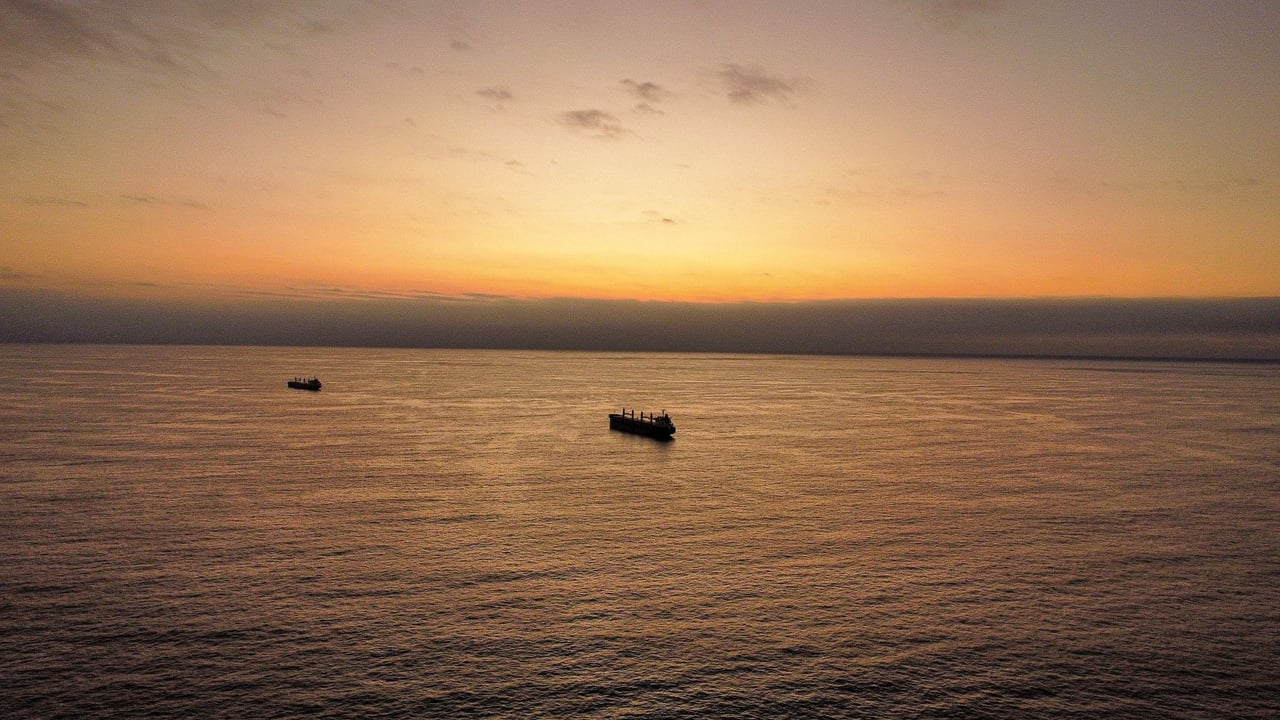

The strategic waters of the Strait of Hormuz are entering a precarious new era of regulated passage. Following a landmark memorandum of understanding between Washington and Tehran, the Iranian 'Persian Gulf Strait Authority' has unveiled a rigorous set of transit protocols that formalize its role as the primary gatekeeper of the world’s most critical energy chokepoint. While the move signals a diplomatic breakthrough, it also underscores the enduring scars of a conflict that broke out earlier this year.
Under the new mandate, all commercial vessels must now submit formal transit applications at least 48 hours before entering the region. This requirement is framed not merely as an administrative hurdle, but as a necessary safety measure in a waterway still plagued by the presence of sea mines. To incentivize the return of global shipping, Tehran has pledged to cover all security, environmental, and insurance costs for a 60-day window, effectively subsidizing the restoration of commercial traffic while the United States begins dismantling its naval blockade.
However, the price of safety is a loss of maritime autonomy. Every ship must strictly adhere to specific routes and schedules dictated by Iranian authorities. Failure to comply shifts the entire burden of liability onto the shipowners, a clause that gives Tehran significant legal and operational leverage over international tankers. The authority has explicitly stated that despite recent diplomatic efforts, the Strait is unlikely to return to the status quo that existed before the hostilities commenced on February 28.
This regulatory pivot is the first tangible outcome of the June 17 agreement, which seeks a calibrated de-escalation between the two long-standing adversaries. By trading the lifting of the U.S. blockade for a managed transit regime, Iran is attempting to pivot from military confrontation to institutionalized control. For global markets, the 60-day 'free transit' period offers temporary relief, yet the permanence of the new reporting requirements suggests that the era of unfettered navigation in the Persian Gulf has come to a close.