The Litani Friction: Israel Challenges Trump's New Middle East Order

Israel is resisting U.S. pressure to withdraw its troops from Southern Lebanon, citing security needs that conflict with a new U.S.-Iran peace memorandum. The standoff places President Trump in the position of potentially sanctioning a close ally to preserve a broader regional diplomatic breakthrough.

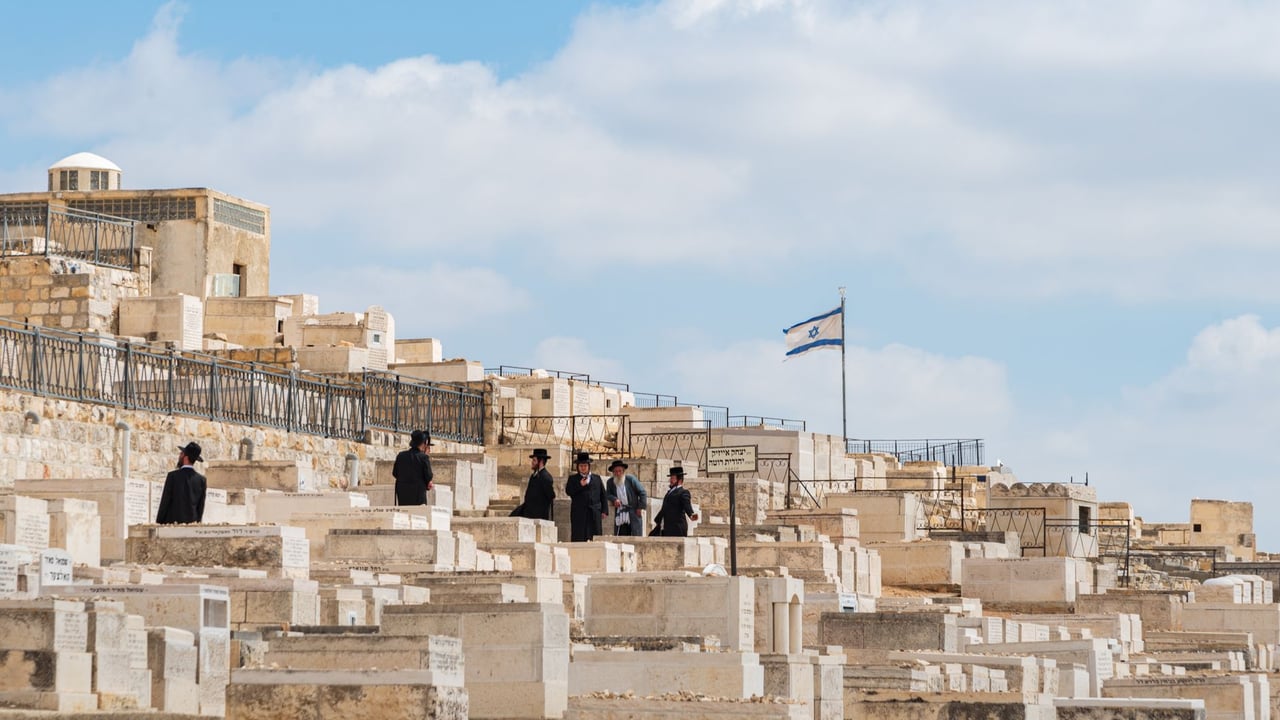
Orthodox Jewish men gather at Mount of Olives Cemetery in Jerusalem, Israel, under a clear sky.

Key Takeaways

  • 1Israel is demanding a continued military presence south of the Litani River during negotiations with the Trump administration.
  • 2The demand directly violates a June 2026 U.S.-Iran Memorandum of Understanding that requires the cessation of all military operations in Lebanon.
  • 3Israeli officials are bracing for potential 'hard pressure' from Washington, including threats of consequences for non-compliance.
  • 4Iran has signaled that Israeli non-compliance will be treated as a failure of American diplomatic commitments.

Editor's
Desk

Strategic Analysis

The geopolitical irony of this situation is profound: a Trump-led White House, traditionally seen as Israel's staunchest protector, is now the primary architect of a regional settlement that Israel views as a strategic liability. By linking the U.S.-Iran MOU to the cessation of hostilities in Lebanon, the administration is effectively trading Israeli tactical depth for a grander regional stabilization. This represents an existential choice for Jerusalem: maintain the 'Special Relationship' or prioritize the 'Security Buffer.' If Washington follows through with threats to penalize Israel, it will mark a historic realignment where U.S. regional interests in managing Iran take precedence over Israel's immediate border concerns.

China Daily Brief Editorial
Strategic Insight
China Daily Brief

Israel's security establishment is currently locked in a high-stakes diplomatic standoff with Washington, insisting on a permanent military presence in Southern Lebanon despite a fresh U.S.-brokered regional peace framework. Officials in Jerusalem have signaled they will not retreat from positions south of the Litani River, viewing the territory as an essential buffer against northern threats. This defiance marks a significant test of the 'special relationship' during a period of shifting regional alliances.

This uncompromising stance directly contradicts a landmark Memorandum of Understanding signed between the United States and Iran on June 17, 2026. That agreement explicitly mandates the immediate and permanent cessation of all military hostilities and a renewed commitment to Lebanon’s territorial integrity. The MOU was designed to stabilize the Levant and allow for a pivot in American foreign policy, but Israel’s refusal to withdraw threatens to unravel the fragile consensus.

The tension now rests on the personal intervention of President Trump. Israeli insiders suggest the outcome hinges on whether the White House will exert 'maximum pressure' on its traditional ally to honor the terms of the U.S.-Iran deal. There are concerns within the Israeli cabinet that Washington may threaten specific punitive measures if Israel is seen as the primary obstacle to the newly minted regional peace architecture.

Meanwhile, Tehran has been quick to frame any continued Israeli activity as a breach of American credibility. Iranian Foreign Ministry spokesperson Esmaeil Baghaei warned that if the U.S. cannot restrain Israeli military actions, the deal will be viewed as void. As the Israeli Prime Minister’s Office remains silent, the risk of a diplomatic rupture grows, leaving the stability of Southern Lebanon hanging in the balance.

Share Article

Related Articles

📰
No related articles found