
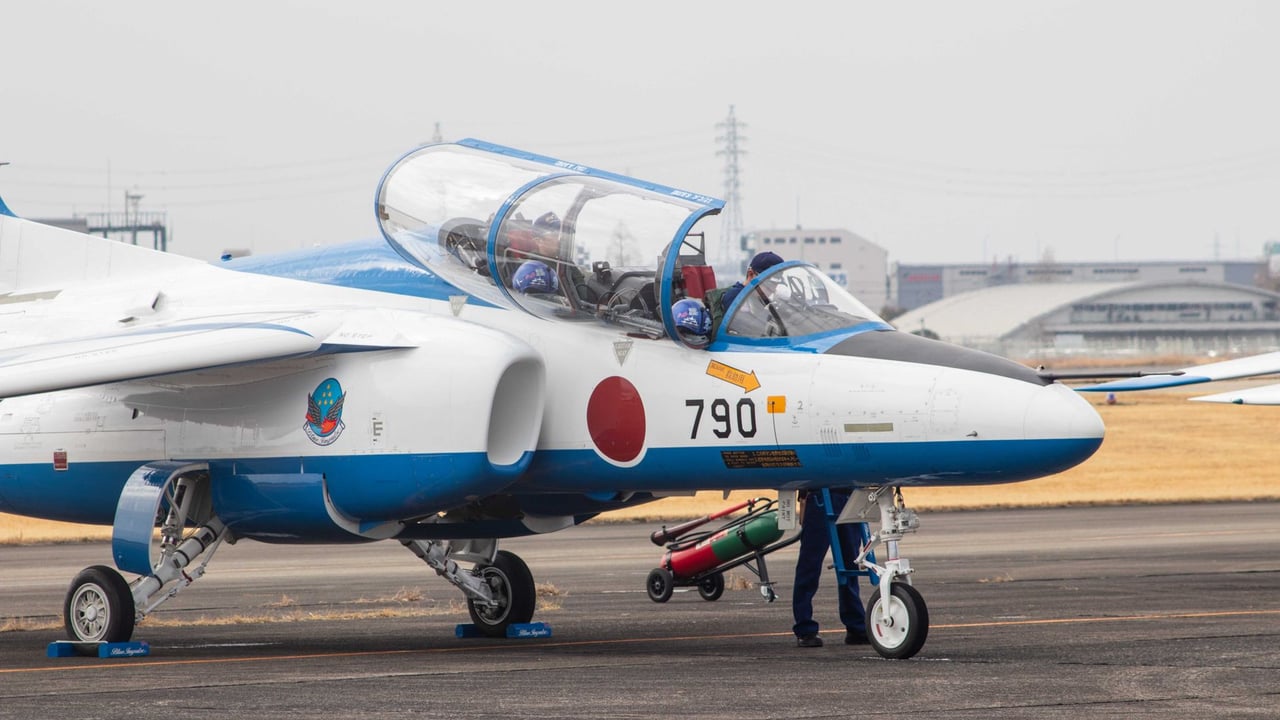

Japan is poised to officially rename its Air Self-Defense Force (ASDF) to the 'Air and Space Self-Defense Force' by the end of 2026. This rebranding is more than cosmetic; it signals a fundamental shift in Tokyo’s defense posture as it looks toward the high ground of orbital security. By integrating space into its core mandate, Japan aims to extend its security reach well beyond its traditional territorial boundaries.
The transition under the administration of Prime Minister Sanae Takaichi has sparked significant domestic controversy. Protests in Tokyo reflect a deep-seated public anxiety over the perceived erosion of Japan's 'Peace Constitution.' Critics argue that the revision of the 'Three Security Documents' and the expansion of the military's scope represent a dangerous departure from the country's post-war pacifist identity, potentially leading Japan back toward a path of conflict.
From a strategic perspective, the creation of the Air and Space Self-Defense Force is designed to bolster Japan's 'long-range strike' and 'stand-off' capabilities. By utilizing a sophisticated network of military-grade reconnaissance satellites, the new force will provide the critical data needed for precision targeting. This infrastructure is essential for the Self-Defense Force to maintain effective communication and command over units operating in distant maritime or overseas environments.
Military analysts in Beijing suggest that Tokyo’s ambitions extend into the realm of active orbital combat. They point to Japan’s advancements in unmanned cargo vessels and maneuverable satellites as technologies that could be repurposed for offensive roles. There is growing concern that Japan could eventually deploy small-scale laser weapons to threaten or disable high-value civilian and military satellites belonging to regional rivals.
This transition also marks a deepening of the US-Japan military alliance. By aligning its operations with the US Space Force, Tokyo is ensuring that the bilateral partnership can project power into the orbital domain. This integration aims to create a seamless security architecture in the Indo-Pacific, though it simultaneously raises the stakes for other regional powers who view the militarization of space as a direct threat to the peaceful use of orbital resources.