
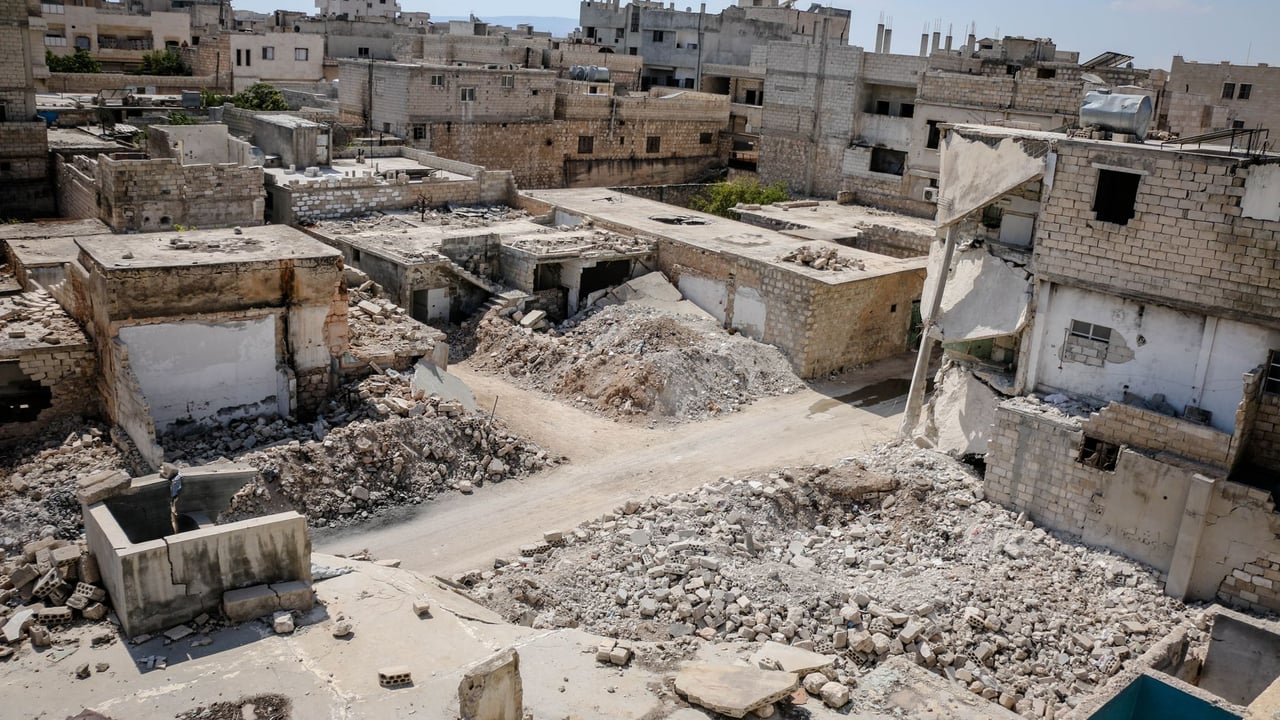

The signing of a landmark memorandum of understanding between the United States and Iran on June 18, 2026, appears to have brought a fragile conclusion to months of devastating regional conflict. The hostilities, which saw a coordinated military campaign by the U.S. and Israel against Iranian targets, have left a trail of destruction that extends far beyond the borders of the Middle East. With tens of thousands of casualties and millions displaced, the human and economic toll has forced a somber reassessment of the utility of military force in the 21st century.
From a geopolitical perspective, the conflict serves as a stark indicator of the declining efficacy of American 'hard power.' Despite a relentless air campaign, the U.S. and its Israeli allies failed to dismantle Iran’s missile capabilities or collapse its political leadership. Instead, Tehran’s asymmetric use of low-cost drones and missile strikes effectively countered high-tech defenses, creating a costly stalemate that drained American munitions and political capital. This inability to achieve a decisive military victory has led international observers to label the conflict a 'Pyrrhic victory' at best for the West.
Israel’s strategic position has likewise deteriorated. For years, Jerusalem viewed Iranian nuclear ambitions as an existential threat requiring a military solution, yet the resulting MoU has left the nuclear issue unresolved while further isolating Israel diplomatically. The arrogance of the Netanyahu administration, as noted by former Prime Minister Ehud Barak, may have inadvertently hindered the normalization of ties with Gulf neighbors, who now view Israel’s security guarantees with increasing skepticism. The conflict has replaced the 'security oasis' of the Gulf with a landscape of uncertainty for global investors.
Perhaps the most significant shift is the fracture of the traditional Western alliance system. During the height of the crisis, key NATO allies including France, Spain, and Italy notably refused to provide wartime access to their airspace or bases, fearing domestic blowback and energy price hikes. This lack of coordination suggests that the post-WWII security architecture, built on the assumption of unconditional support for American military initiatives, is rapidly eroding in favor of 'strategic autonomy.'
As the smoke clears, the role of 'Global South' mediators like Pakistan and China has come into sharp focus. While Washington pursued a policy of maximum pressure, these nations championed a four-point plan for stability, positioning themselves as the new brokers of peace. The conflict has reinforced the narrative that the era of unipolar dominance is ending, giving way to a multipolar reality where diplomacy and equal dialogue are the only sustainable paths to security.