China Slams the Brakes on Australian Beef as Import Quotas Hit the Ceiling

China has triggered a massive 55% tariff on Australian beef imports effective June 20, 2026, after annual trade quotas reached their limit. This move, based on safeguard measures in the bilateral free trade agreement, reflects both the high demand for Australian products and China's rigid application of trade protections.

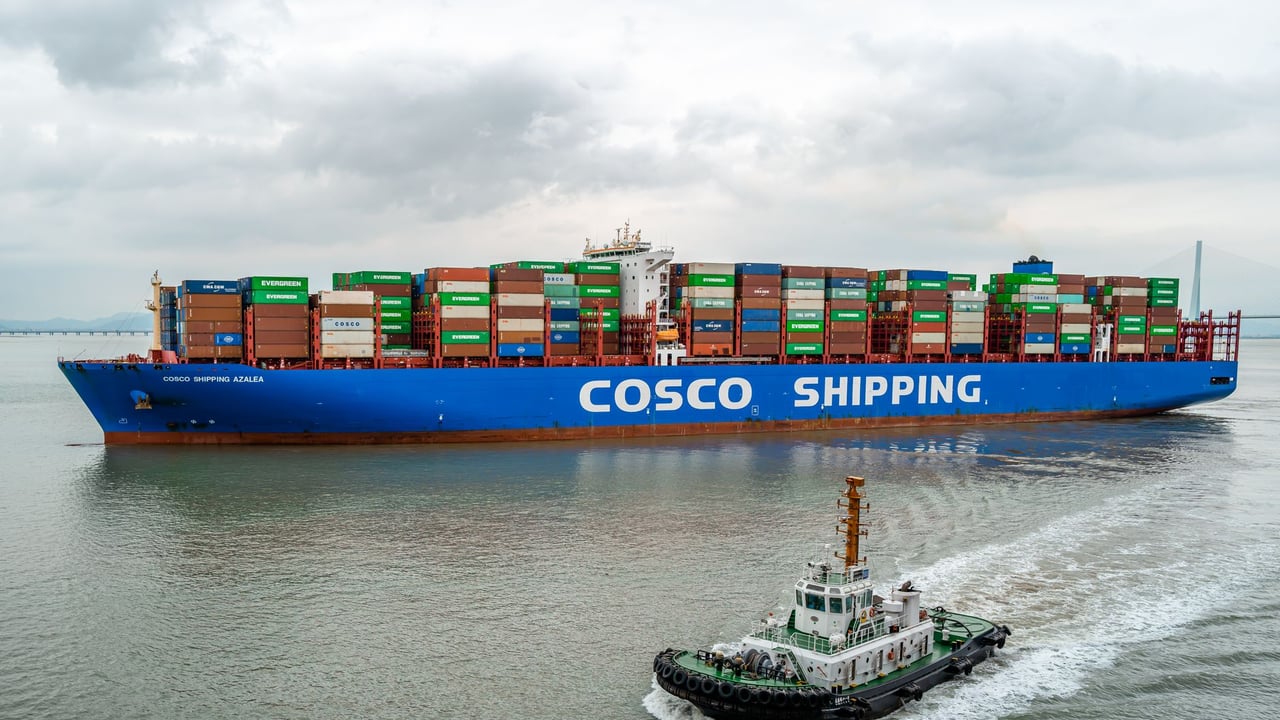
A large COSCO container ship navigates the waters of Ningbo Harbor, China.

Key Takeaways

  • 1MOFCOM confirmed Australian beef imports reached 100% of the 2026 safeguard quota by June 18.
  • 2A 55% surcharge will be added to existing tariffs for all Australian beef entering China starting June 20.
  • 3The measure is an automatic trigger under the China-Australia Free Trade Agreement (ChAFTA) safeguard provisions.
  • 4The early exhaustion of the quota indicates a surge in demand for Australian meat despite previous trade tensions.

Editor's
Desk

Strategic Analysis

This tariff hike is a classic example of a 'victim of success' scenario in international trade. While the move is technically an automatic regulatory trigger rather than a targeted political sanction, it effectively functions as a non-tariff barrier that protects China's domestic cattle industry from being overwhelmed by superior Australian competition. The speed at which the quota was exhausted—reaching the limit before the year was half over—reveals that the economic gravity between the two nations remains powerful, regardless of the prevailing political winds in Canberra or Beijing. However, by strictly enforcing these safeguards, Beijing also signals its intent to maintain a tight grip on its food security architecture, ensuring that foreign dominance in the protein market is kept in check through high-friction price levers.

China Daily Brief Editorial
Strategic Insight
China Daily Brief

Starting June 20, 2026, Australian beef entering the Chinese market will be subject to a staggering 55% additional tariff. This dramatic escalation follows an official notice from China’s Ministry of Commerce (MOFCOM), confirming that import volumes for the year have already reached 100% of the allocated safeguard threshold as of mid-June.

The move is a technical byproduct of the safeguard provisions embedded within the China-Australia Free Trade Agreement (ChAFTA). These mechanisms were designed to protect Chinese domestic producers from sudden surges in foreign imports by allowing Beijing to revoke preferential rates once specific volume triggers are hit. Once the quota is exhausted, the trade gates do not close, but the cost of entry rises precipitously.

This rapid depletion of the annual quota underscores the resilient and insatiable appetite of the Chinese middle class for premium Australian proteins. Despite recent years of diplomatic turbulence and various trade hurdles, Australian beef remains a preferred choice in China's high-end retail and food service sectors. The early trigger of the safeguard suggests that demand has significantly outpaced the growth of the negotiated trade ceilings.

For Australian exporters, the announcement presents a significant logistical and financial headache. Shipments currently in transit or scheduled for the latter half of the year must now account for a more than 50% increase in duties, forcing a choice between absorbing the losses, rerouting cargo to less lucrative markets, or passing the costs onto Chinese consumers who are already facing inflationary pressures.

Share Article

Related Articles

📰
No related articles found