The $80 Billion Receipt: The Pentagon’s Fiscal Reckoning After the Iran Campaign

The Pentagon is seeking $80 billion in emergency funding to cover the costs of the recent military conflict with Iran, which reportedly cost $500 million per day. Despite a recent diplomatic memorandum between the two nations, the high price of the engagement has triggered a intense debate in Congress over defense spending and fiscal transparency.

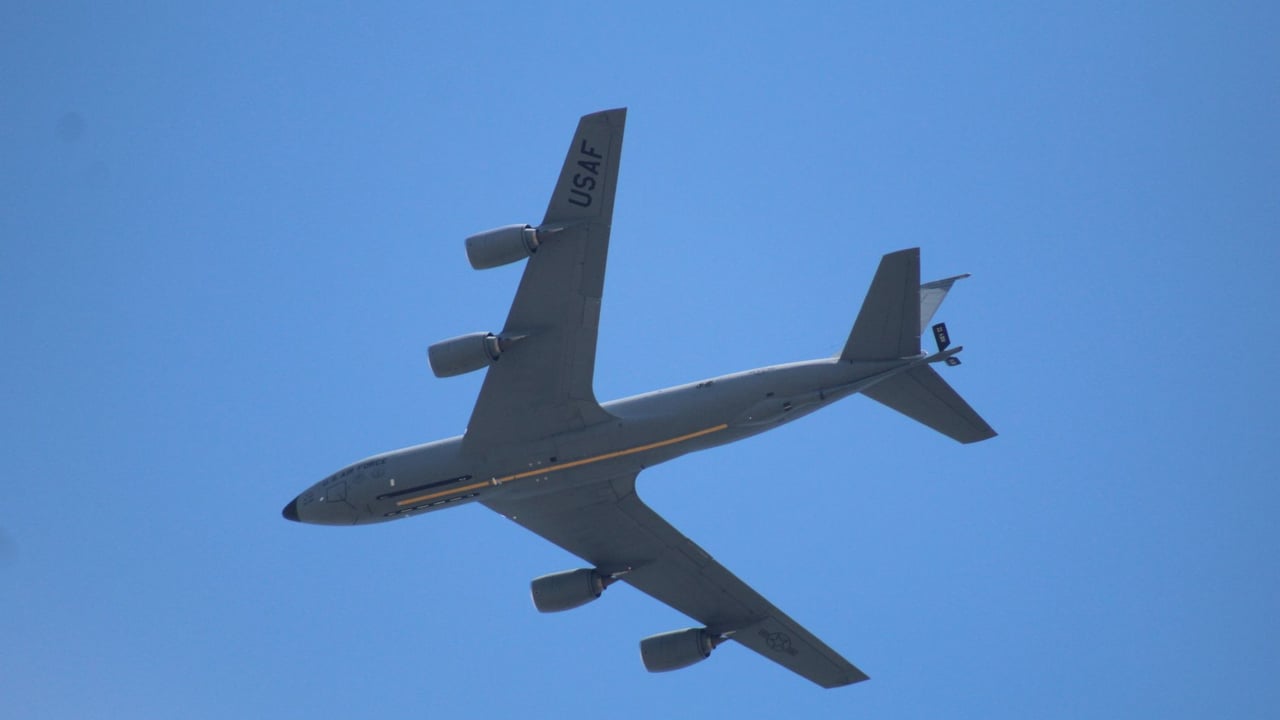
Aerial view of a USAF aircraft flying in a clear blue sky, showcasing aviation design.

Key Takeaways

  • 1The U.S. Department of Defense has requested $80 billion to bridge a funding gap caused by the Iran conflict.
  • 2Operations reached a peak daily cost of approximately $500 million according to independent analysts.
  • 3Secretary Hegseth is lobbying senior Republican senators as military funds risk depletion by late summer.
  • 4The request follows an initial, larger $200 billion budget proposal by the Trump administration in March.
  • 5A formal Memorandum of Understanding has been signed between the US and Iran, but the financial 'tail' of the conflict remains a political flashpoint.

Editor's
Desk

Strategic Analysis

The request for $80 billion represents a critical stress test for the current administration's foreign policy. While the 'Maximum Pressure' campaign achieved a diplomatic memorandum, the fiscal cost—nearly $200 billion in total requests—threatens to erode the domestic political coalition that supports such interventions. The reliance on 'supplemental' funding rather than standard budget cycles indicates that the scale and duration of the Iran engagement caught military planners off guard. For global observers, this highlights a recurring vulnerability in U.S. power projection: the widening gap between ambitious geopolitical objectives and the political appetite for the massive fiscal outlays required to sustain them in a post-conflict environment.

China Daily Brief Editorial
Strategic Insight
China Daily Brief

The fog of military engagement is rapidly giving way to a localized storm over the U.S. Treasury. The Pentagon has formally requested an additional $80 billion from Congress to cover the surging costs of recent operations against Iran, highlighting the staggering price tag of modern high-intensity conflict. Under Secretary of Defense Stephen Feinberg reportedly informed lawmakers that without this immediate infusion of capital, the military’s operational funds could be exhausted before the end of the summer.

This fiscal request follows a period of intense kinetic activity that began in late February 2026, when the United States and Israel launched coordinated strikes against Iranian targets. Analysts from leading think tanks estimate that the daily burn rate for these operations has hovered around $500 million. While the signing of a recent Memorandum of Understanding between Washington and Tehran has signaled a tentative de-escalation, the financial repercussions of the mission are only now becoming clear to a skeptical Capitol Hill.

Defense Secretary Hegseth has spent the week in high-level meetings with senior Republican senators, attempting to secure the necessary votes for a supplemental defense appropriation. This follows a much larger, and ultimately stalled, $200 billion budget request initiated by President Trump in March. The current $80 billion figure is seen by many as a tactical pivot to secure essential funding for 'filling the gap' left by months of unplanned expenditures in the Middle East theater.

Opposition within Congress remains potent, with lawmakers demanding a granular accounting of where the money has gone. Earlier assessments in April suggested the conflict had already consumed $25 billion, but the newer figures suggest a much more rapid depletion of resources than previously disclosed. The debate now shifts from the efficacy of the strikes to the sustainability of the 'America First' foreign policy when confronted with the reality of hundred-billion-dollar military bills.

Share Article

Related Articles

📰
No related articles found