

Despite the formal cancellation of high-level diplomatic talks in Switzerland, the geopolitical heavyweights of Washington and Tehran appear unwilling to let a rare window of opportunity slide. Reports indicate that Iranian Foreign Minister Abbas Araghchi is proceeding with plans to travel to the Alpine nation, even as official channels suggest the Bürgenstock summit is off. This follows news that U.S. Presidential Envoy Steven Witkoff is already en route, signaling that the architecture of backchannel communication remains surprisingly resilient.
The diplomatic dance is unfolding against a backdrop of escalating regional violence, specifically the persistent Israeli strikes against Hezbollah positions in southern Lebanon. These military actions initially prompted the Iranian delegation to suspend their participation, citing the untenable optics of negotiating while their regional ally is under fire. Simultaneously, the White House attributed the delay of Vice President JD Vance’s arrival to vague 'logistical issues,' a common euphemism for political recalibration in the face of shifting ground realities.
Perhaps the most intriguing development is the presence of Jared Kushner in Switzerland. Though no longer holding an official cabinet position in this 2026 landscape, the former senior advisor’s involvement suggests a revival of the personalized, transactional diplomacy that characterized the first Trump administration. His role as a bridge-builder, particularly given his history with the Abraham Accords, adds a layer of non-traditional mediation to the mix that bypasses standard State Department protocols.
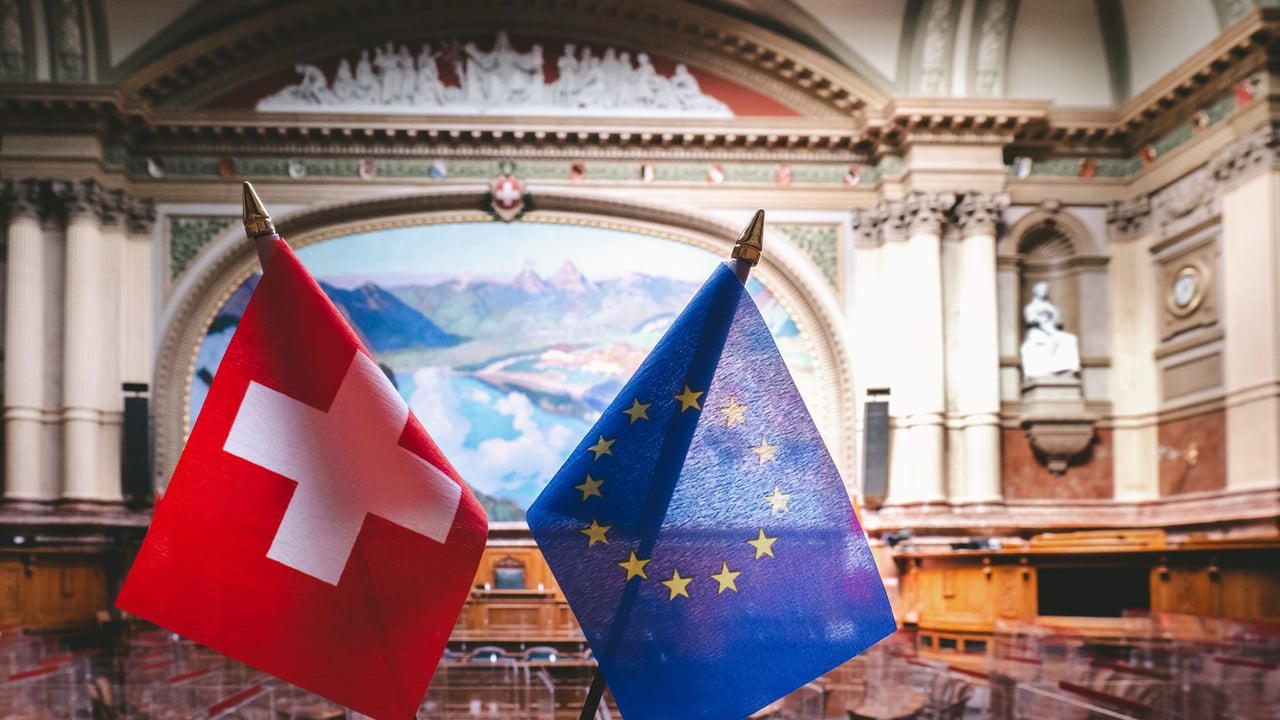
Switzerland’s role as a neutral facilitator remains indispensable, even when the formal 'Bürgenstock process' is declared dead by its own foreign ministry. The convergence of Araghchi, Witkoff, and Kushner in the same geographic proximity—despite the official cancellations—points to the reality of 'proximity talks.' In these scenarios, parties do not meet in the same room but utilize intermediaries to convey red lines and potential concessions in a high-stakes effort to prevent a total regional conflagration.