Teetering on the Brink: Iran Blames Washington as a Fragile Lebanon Truce Takes Shape

Tehran has accused the United States of direct complicity in Israeli strikes against Lebanon, even as reports of a fragile ceasefire between Israel and Hezbollah begin to surface. While military operations may pause, Israel's insistence on maintaining a security zone in southern Lebanon suggests the underlying conflict remains far from a strategic resolution.

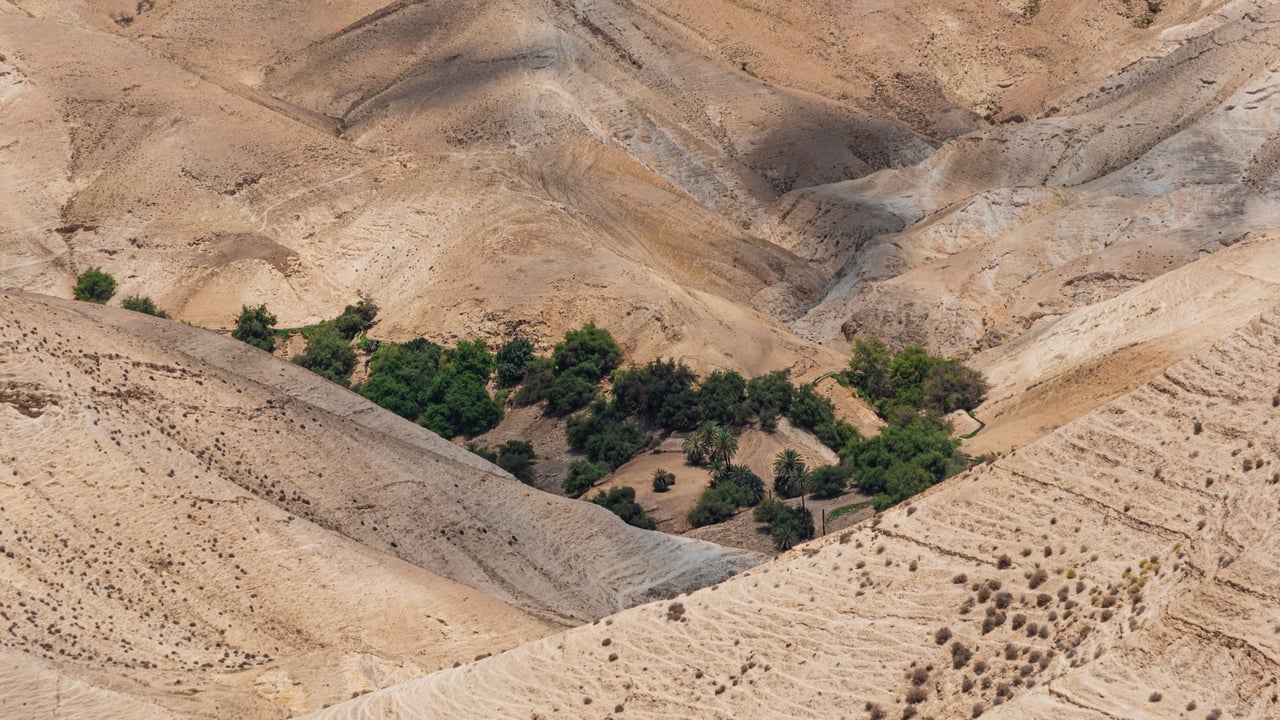
A stunning aerial shot of Israel's arid desert terrain with patches of greenery.

Key Takeaways

  • 1Iran holds the US directly responsible for Israeli military actions in Lebanon, accusing Washington of enabling the strikes.
  • 2Tehran has vowed to use all necessary means to defend its own security and the rights of its regional allies.
  • 3Unconfirmed reports indicate that Prime Minister Netanyahu has agreed to a ceasefire with Hezbollah.
  • 4Israeli officials state they will remain in southern Lebanese security zones, maintaining a right to retaliate if attacked.
  • 5The geopolitical friction persists despite the truce, with Iranian officials highlighting the perceived lack of Israeli defense against missile strikes.

Editor's
Desk

Strategic Analysis

The emergence of a 'security zone' in southern Lebanon mirrors historical precedents that have rarely resulted in long-term stability. By keeping troops on Lebanese soil, Israel ensures a persistent friction point that Hezbollah can use to justify continued resistance, while Iran utilizes the U.S. connection to delegitimize any Western-led peace initiatives. The mention of shifting deterrence calculations—specifically regarding Iran's missile capabilities—indicates that the regional power balance is in flux. For global observers, the key takeaway is that this ceasefire is likely a tactical pause for regrouping rather than a strategic pivot toward peace, as the fundamental triggers of the Iran-Israel proxy war remain unaddressed and the rhetoric remains inflammatory.

China Daily Brief Editorial
Strategic Insight
China Daily Brief

In the volatile landscape of Middle Eastern geopolitics, the blame game has reached a new fever pitch as Tehran officially holds the United States directly responsible for recent Israeli military operations across Lebanon. This accusation further complicates a tangled web of regional alliances and animosities, signaling that any local de-escalation may be overshadowed by broader systemic tensions.

Iranian Foreign Ministry spokesperson Esmaeil Baghaei issued a stern condemnation of the strikes, framing Israel’s actions as an extension of American foreign policy. In a statement that suggests a potential for regional escalation, Baghaei asserted that Iran is prepared to take all necessary measures to safeguard its national interests and those of its regional partners, including the Lebanese-based Hezbollah.

Despite this heated rhetoric, a glimmer of tactical de-escalation appeared on the horizon as reports emerged of a potential ceasefire. Sources close to the Israeli government suggest that Prime Minister Benjamin Netanyahu has tentatively agreed to a cessation of hostilities, though formal confirmation from his office remains conspicuously absent, reflecting the internal political sensitivity of the decision.

The terms of the reported agreement, which allegedly began at 4:00 PM local time, include a significant caveat that may hinder long-term peace. Israeli forces intend to maintain their presence within security zones in southern Lebanon, reserving the right to respond with force should their positions come under fire, a posture that Hezbollah is unlikely to accept indefinitely.

Share Article

Related Articles

📰
No related articles found