
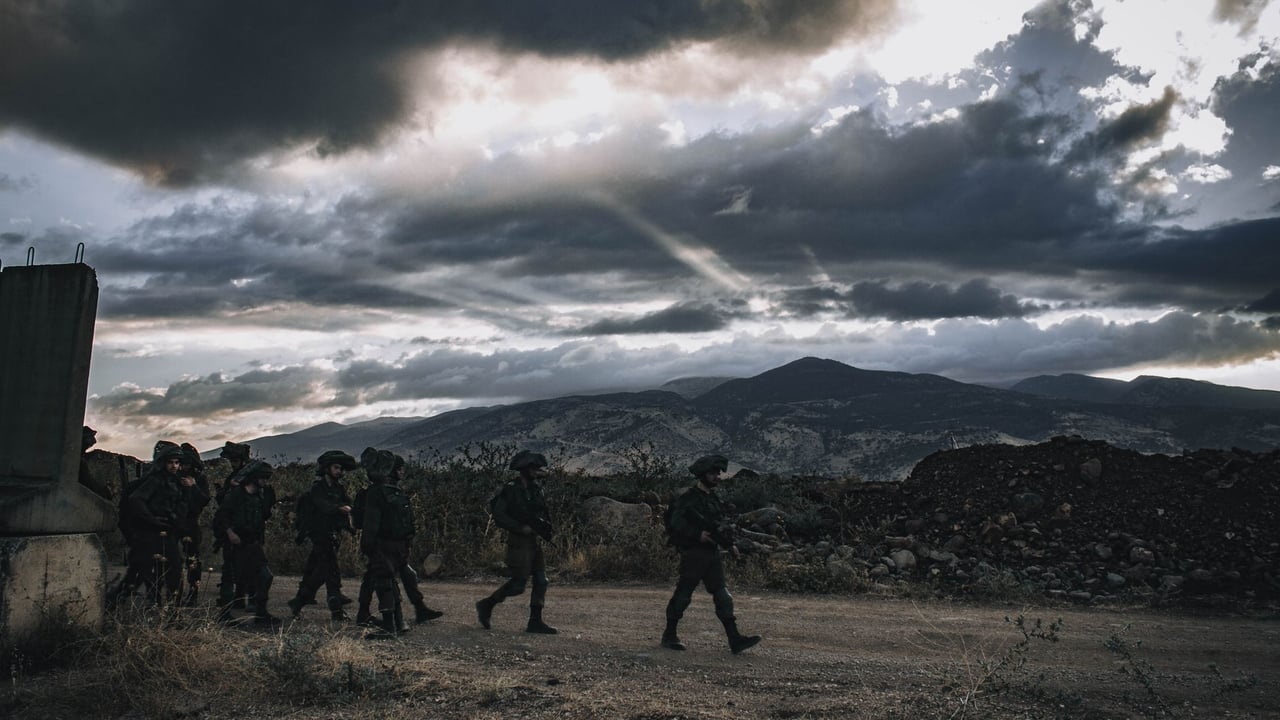

The transition from active combat to a diplomatic pause is rarely a clean break, and the latest ceasefire between Israel and Hezbollah is proving to be no exception. Despite an agreement to halt hostilities at 4:00 PM local time, the Israeli Defense Forces (IDF) launched targeted airstrikes on the Jezzine region of southern Lebanon, while surveillance drones continued their persistent hum over the country’s western reaches. These maneuvers underscore the extreme fragility of an agreement signed against a backdrop of staggering human loss.
Since the reignition of full-scale conflict on March 2, 2026, the toll on Lebanese soil has reached a grim milestone. Official figures from the Lebanese Ministry of Public Health report 3,980 fatalities and over 12,000 injuries, a testament to the intensity of a campaign that has devastated infrastructure and displaced thousands. The persistence of drone activity suggests that while the heavy munitions may pause, the Israeli intelligence apparatus has no intention of withdrawing its gaze from Hezbollah’s southern strongholds.
The strategic logic behind these eleventh-hour strikes often follows a pattern of 'maximalist pressure' before a diplomatic freeze. By striking Jezzine even as the ink on the ceasefire dries, the Israeli military likely aims to degrade remaining Hezbollah assets and signal that any breach of the peace will be met with immediate, lethal force. For Hezbollah, the acceptance of the 4:00 PM deadline reflects a tactical necessity to regroup, even as their territory remains under intense aerial scrutiny.
International observers remain skeptical about the longevity of this latest cessation of fire. The deep-seated mistrust between the combatants, coupled with the high casualty count and the ongoing surveillance of Lebanese airspace, creates a volatile environment where a single miscalculation could reignite the front. For now, the residents of southern Lebanon find themselves in a precarious limbo, where the absence of falling bombs is shadowed by the constant buzz of unmanned aircraft.