

The recent high-level summit between Prime Minister Narendra Modi and President Emmanuel Macron in Nice has signaled a definitive shift in the Indo-French relationship. No longer merely a transaction of high-end hardware, the partnership has evolved into a 'Special Strategic Partnership' that seeks to merge industrial bases and align geopolitical objectives. This transformation is crystallized in a comprehensive roadmap targeting co-development in defense, artificial intelligence, and next-generation military platforms.
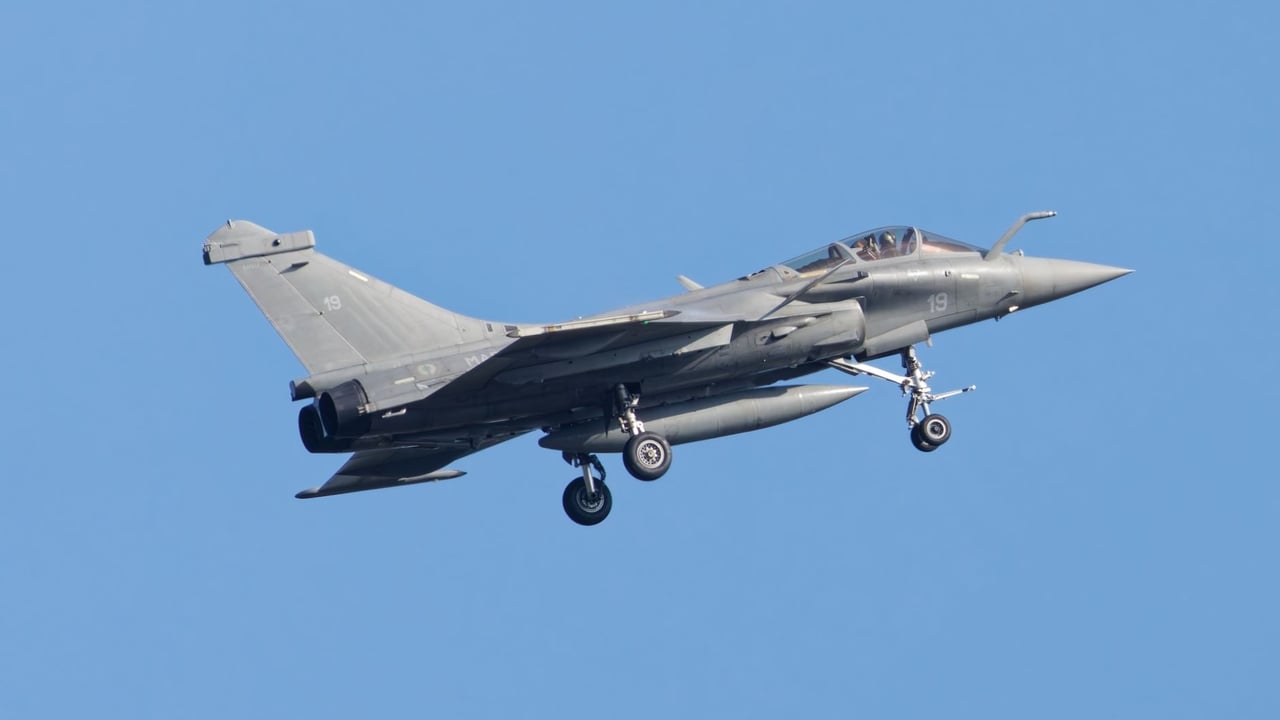
At the heart of this burgeoning alliance is the massive procurement of 114 Rafale multi-role fighters, a deal valued at approximately $36 billion. Unlike previous iterations of defense trade, this agreement mandates a 50% localization rate through a joint venture between Dassault Aviation and India’s Tata Group. By establishing manufacturing facilities in Hyderabad, France is effectively embedding India into its global supply chain, moving from a 'buyer-seller' dynamic to one of shared industrial destiny.
The strategic drivers behind this shift are rooted in mutual necessity and a shared desire for 'strategic autonomy.' For India, the slow progress of indigenous fighter projects like the Tejas and the AMCA necessitates a reliable partner willing to transfer sensitive technology without the political strings often attached by Washington. For France, the recent collapse of the FCAS project with Germany has left Paris in search of a deep-pocketed partner to sustain its aerospace industry’s global competitiveness.
Beyond traditional hardware, the partnership is venturing into the digital frontier with the creation of a joint India-France AI Working Group. This initiative is a direct response to tightening American restrictions on AI exports. By pooling their intellectual and market resources, New Delhi and Paris are attempting to build a technological ecosystem that is resilient against both US hegemony and Chinese expansionism, particularly in the realm of 6th-generation combat systems.
This consolidation of power has significant implications for the Indo-Pacific and European security architectures. As India gains the ability to produce advanced fighters and bombs domestically, the military balance in South Asia will inevitably shift, likely triggering a response from Islamabad and Beijing. Meanwhile, France is using its bond with India to maintain an independent defense industrial base, allowing it to champion a more autonomous European security policy that is less reliant on the NATO status quo.