

The alpine serenity of Bürgenstock, Switzerland, has become the unlikely backdrop for a high-stakes diplomatic gamble as U.S. Vice President J.D. Vance and a high-level Iranian delegation convene for technical negotiations. Security is absolute, with Swiss military and police sealing off the Lucerne-adjacent mountain to all but residents and accredited diplomats. This meeting follows a memorandum of understanding (MoU) and represents a critical attempt to stabilize a Middle East teetering on the edge of total regional war.
The architecture of these talks reveals a shift in global mediation patterns, featuring Pakistan’s Prime Minister Shehbaz Sharif and Army Chief General Asim Munir as central intermediaries. Their presence, alongside Trump-era stalwarts like Jared Kushner and Special Envoy Steve Witkoff, suggests a move toward a more transactional, 'back-channel' style of diplomacy. The agenda is daunting, spanning the future of Iran’s nuclear program to the fragile cessation of hostilities on the Lebanese front.
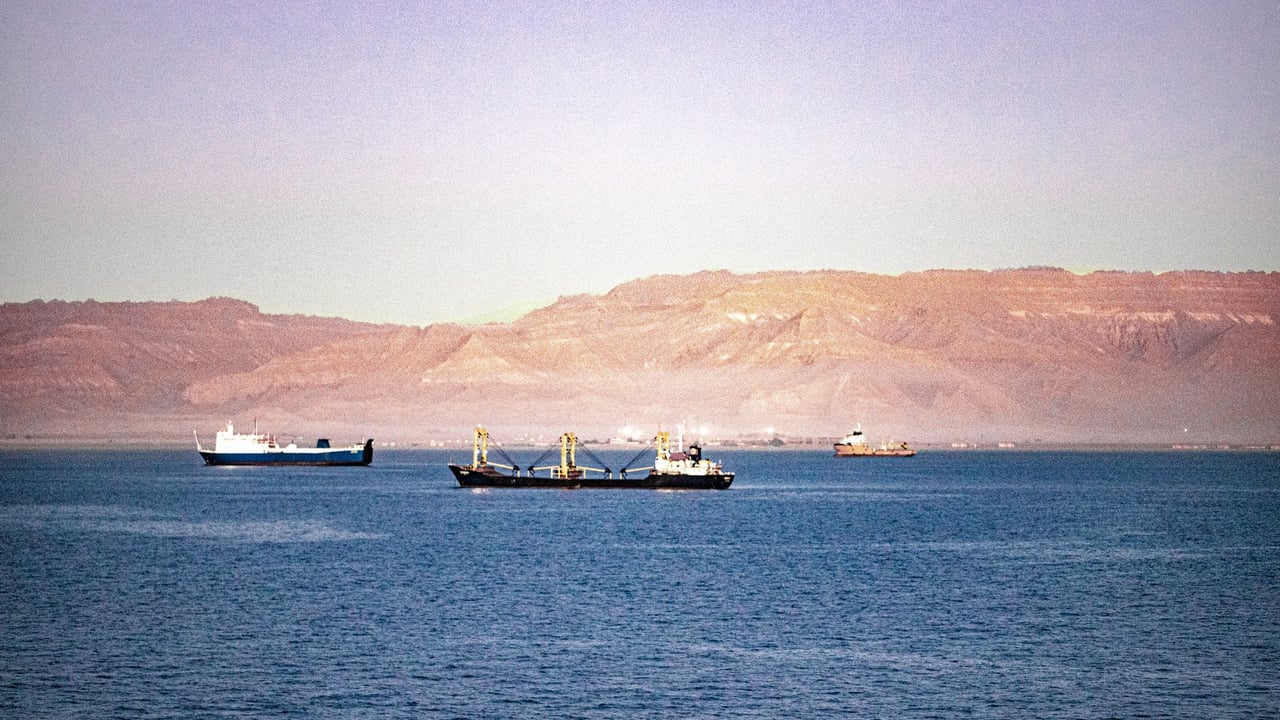
However, the diplomatic overtures are being shadowed by President Donald Trump’s characteristically disruptive rhetoric. From Washington, the President has suggested that the United States may begin charging 'passage fees' for vessels navigating the Strait of Hormuz if a final agreement is not reached. Framing the proposal as compensation for the costs of 'protecting' the Middle East, Trump has essentially redefined regional security as a paid service, adding a layer of financial pressure to the existing military tensions.
The reality on the ground remains volatile, threatening to render the Swiss negotiations moot. While Israel has reportedly instructed its forces to observe a ceasefire in Lebanon, it has concurrently refused to withdraw from occupied southern territories. In response to continued Israeli strikes, Tehran has taken the drastic step of closing the Strait of Hormuz. This dual-track of high-level diplomacy and maximum-pressure brinkmanship creates a precarious environment where any tactical misstep could collapse the 60-day temporary truce currently in effect.