
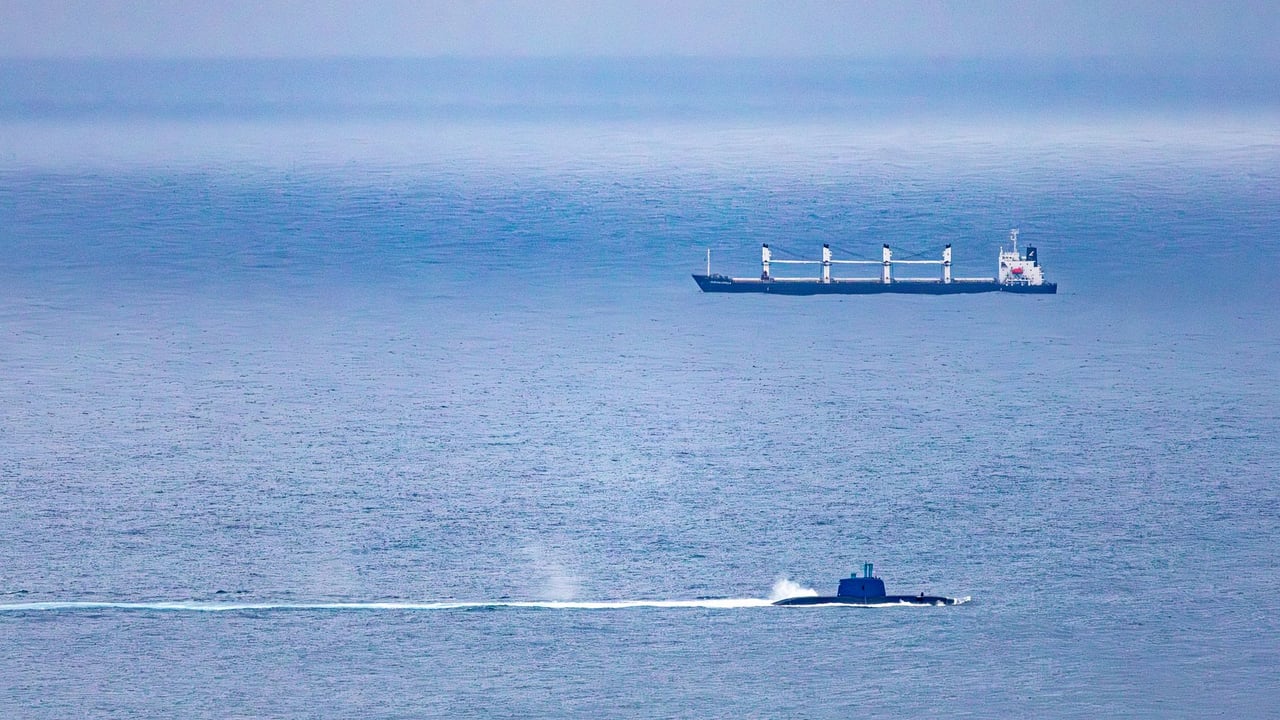

For over seven decades, the People’s Liberation Army Navy (PLAN) submarine force has evolved from a fledgling fleet of borrowed technology into what Beijing now terms an 'Underwater Great Wall.' As the force celebrates its 72nd anniversary, the milestone serves as a potent reminder of China’s relentless pursuit of maritime dominance and its transition from a coastal defense posture to a global blue-water power. This trajectory reflects a broader national strategy to secure maritime interests and challenge existing naval hierarchies in the Indo-Pacific.
The development of the submarine branch has been a centerpiece of China’s anti-access/area-denial (A2/AD) strategy. By investing heavily in both conventional and nuclear-powered vessels, the PLAN has effectively extended its defensive perimeter far beyond its immediate coastline. This 'Underwater Great Wall' is not merely a defensive metaphor but a multi-layered strategic asset designed to monitor and deter foreign naval movements within the First and Second Island Chains.
Technological leaps in quietness, endurance, and armament have defined the force's recent history. The transition from the noisy, diesel-electric boats of the late 20th century to the increasingly sophisticated Type 094 and Type 096 nuclear-powered ballistic missile submarines (SSBNs) marks a critical shift in China's second-strike nuclear capability. These vessels provide Beijing with a credible sea-based deterrent, complicating the strategic calculus for any potential adversary.
Beyond military hardware, the anniversary emphasizes the institutional maturity of the PLAN submarine force. Decades of 'deep blue' training missions have cultivated a generation of specialized personnel capable of operating in complex hydrographic environments. This human element is the backbone of the force, turning high-tech steel into a credible tool of statecraft that underpins China’s aspirations for a 'world-class navy.'