
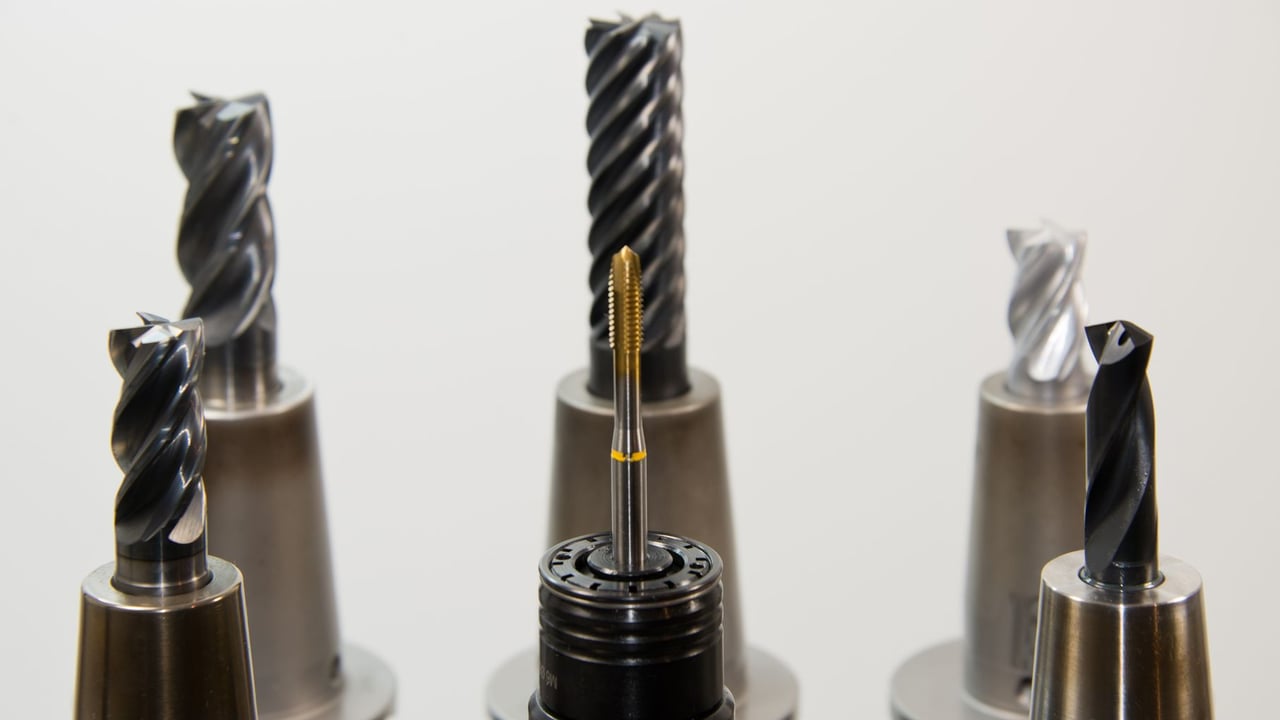

In 1986, a young girl in Henan province stood outside her school canteen, unable to afford a two-cent bowl of noodles. Four decades later, that same woman, Wang Xin, oversees a manufacturing empire that controls nearly 30 percent of the global market for PCB micro-drill bits—tools no thicker than a human hair but essential for the AI servers powering the modern world.
On June 9, 2026, shares of her company, Dingtai High-Tech, surged to record highs, pushing the firm’s valuation past 180 billion yuan. Based on personal equity holdings, Wang has effectively become the wealthiest woman in Henan. Her rise from a 16-year-old factory worker in Dongguan to a titan of precision engineering is more than a rags-to-riches tale; it is a microcosm of China’s own industrial evolution.
Wang’s journey began in 1989 on a green-skinned train, her travel costs covered by her mother selling soybeans. After years on a toy factory assembly line, she refused to accept her station, spending her nights at evening schools to study management and accounting. This drive led her to start a small workshop in 1997, recycling and regrinding used drill bits for local factories in the industrial heartland of Guangdong.
The turning point came in 2004 when Wang transitioned from trading to high-end manufacturing. Facing pressure from upstream suppliers and downstream price wars, she realized that control over the means of production was the only path to survival. She invested heavily in R&D to produce micro-drill bits that could penetrate printed circuit boards (PCBs) with surgical precision, a field then dominated by foreign players.
Her most strategic gamble was the 18-year quest to build her own grinding machines. When overseas equipment suppliers threatened to cut her off, Wang chose vertical integration over capitulation. By 2023, over 90 percent of her production line consisted of self-developed machinery, allowing Dingtai to maintain a cost advantage that competitors could not match, even during the global financial crises and supply chain shocks of the last two decades.
Today, the demand for high-performance computing has transformed these tiny tools into critical infrastructure. As AI servers require increasingly complex and dense circuit boards, the precision of a 0.03mm drill bit determines the stability of signal transmission and processing power. This niche dominance has allowed Dingtai to report staggering growth, with net profits in early 2026 jumping over 250 percent as the global AI arms race intensifies.