China’s Low-Altitude Revolution: Unlocking the Skies for a New Economic Frontier

China has reached a critical inflection point in its low-altitude economy following a massive restructuring of national airspace regulations and the deployment of real-time digital management platforms. By redefining airspace as a productive economic resource, the government is facilitating a transition from policy-driven experimentation to a trillion-yuan market led by infrastructure development and cross-sector collaboration.

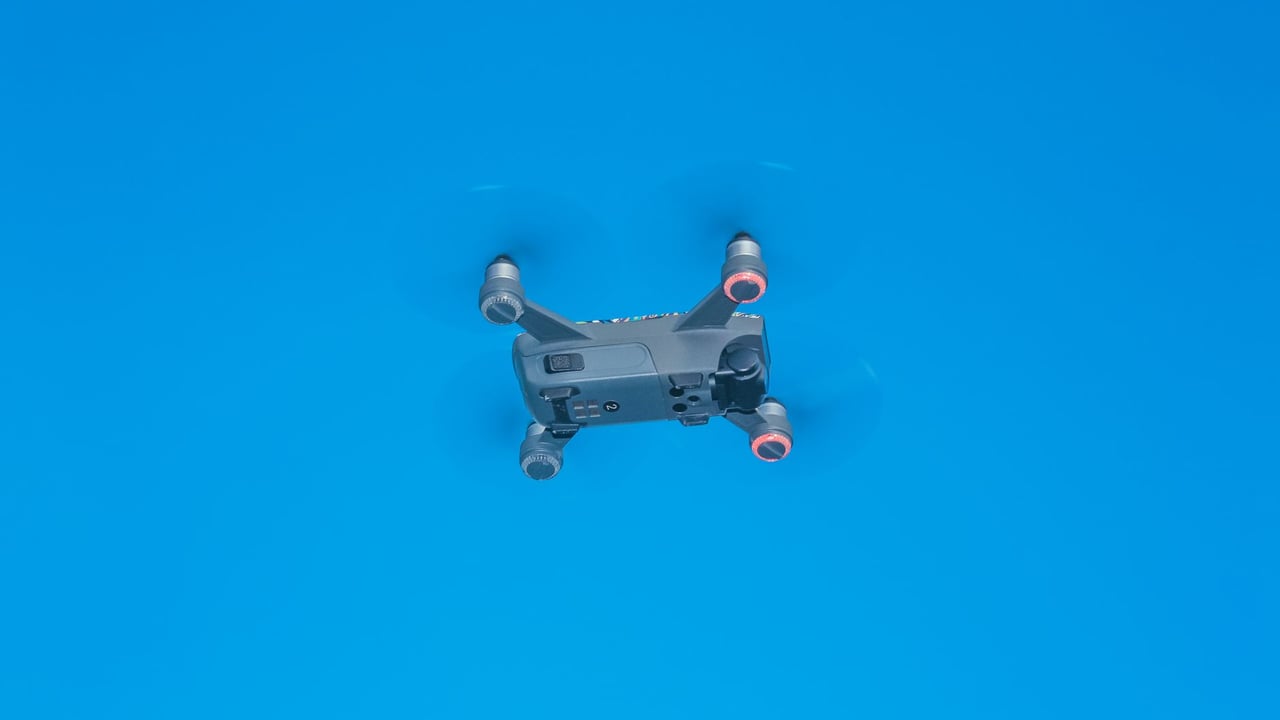
From below of side part of remote control drone with quickly spinning propellers and small cameras for taking photos and videos

Key Takeaways

  • 1National drone regulations and the UOM platform now provide minute-level airspace updates, effectively removing the primary bureaucratic bottleneck for flight.
  • 2Provinces such as Hunan, Guangdong, and Sichuan have significantly expanded flyable areas, with some regions seeing triple-digit growth in accessible airspace.
  • 3The strategic focus for local governments has shifted from obtaining flight permissions to building 'low-altitude infrastructure,' including vertiports and 5G-A communication networks.
  • 4Central state-owned enterprises are beginning to integrate their vast resources and application scenarios, such as grid inspection and logistics, into the low-altitude ecosystem.
  • 5The market scale is forecasted to exceed 1.5 trillion RMB by 2025, positioning the low-altitude sector as a new pillar of China's national industrial strategy.

Editor's
Desk

Strategic Analysis

The strategic significance of China’s airspace reform cannot be overstated; it represents a move from 'static management' to 'dynamic orchestration.' By digitizing the sky via the UOM platform, China is attempting to solve the coordination problem between military, civil aviation, and local government authorities that has historically stifled the sector. This 'un-siloing' of data turns airspace into a liquid asset. However, the true test will be the 'market-driven' transition. While infrastructure is being built with state-led fervor, the long-term viability of the low-altitude economy depends on whether commercial demand—particularly in logistics and urban transport—can scale fast enough to justify the massive capital expenditure currently being poured into these 'roads in the sky.'

China Daily Brief Editorial
Strategic Insight
China Daily Brief

China’s ambition to dominate the skies below 1,000 meters has moved from policy rhetoric to a tangible commercial reality. The recent launch of the 'Zheli Fei' mobile platform in Zhejiang, which allows drone operators to check flight permissions in real-time with a simple smartphone interface, marks a definitive shift in how the country manages its airspace. This 'fingertip era' of low-altitude flight reflects a broader national restructuring where airspace is no longer viewed merely through the lens of security and control, but as a critical production factor similar to land and data.

At the heart of this transformation is the newly updated Civil Unmanned Aerial Vehicle Comprehensive Management Platform (UOM), which now integrates nationwide GIS data with minute-level updates. This digital infrastructure has effectively 'unlocked' vast swathes of sky across more than 20 provinces. In Hunan, for instance, flyable airspace has surged from 43% to over 75%, while Shenzhen has opened three-quarters of its urban airspace below 120 meters. This regulatory easing is the 'inflection point' the industry has long awaited, moving the sector from experimental pilots to scalable commercial loops.

The competition among Chinese regions has subsequently shifted from 'fighting for airspace' to 'building ecosystems.' As the regulatory fog clears, the new battleground is physical and digital infrastructure—the so-called 'Three Networks and One Platform.' This includes vertical take-off and landing (VTOL) facilities, communication and navigation arrays, and integrated provincial management systems. Coastal hubs like Shenzhen and Shanghai are leading the charge, but inland provinces are racing to install the digital 'roads' necessary to support everything from logistics to low-altitude tourism.

A significant new variable in this expansion is the entry of central state-owned enterprises (SOEs). Giants in energy, telecommunications, and aviation are now opening high-value application scenarios, such as power line inspections and urban air mobility pilots, to private sector participation. With the low-altitude economy projected to reach 1.5 trillion RMB ($206 billion) by 2025 and 3.5 trillion RMB by 2035, China is betting that the integration of SOE resources with private-sector agility will create a world-leading industrial cluster.

Share Article

Related Articles

📰
No related articles found