
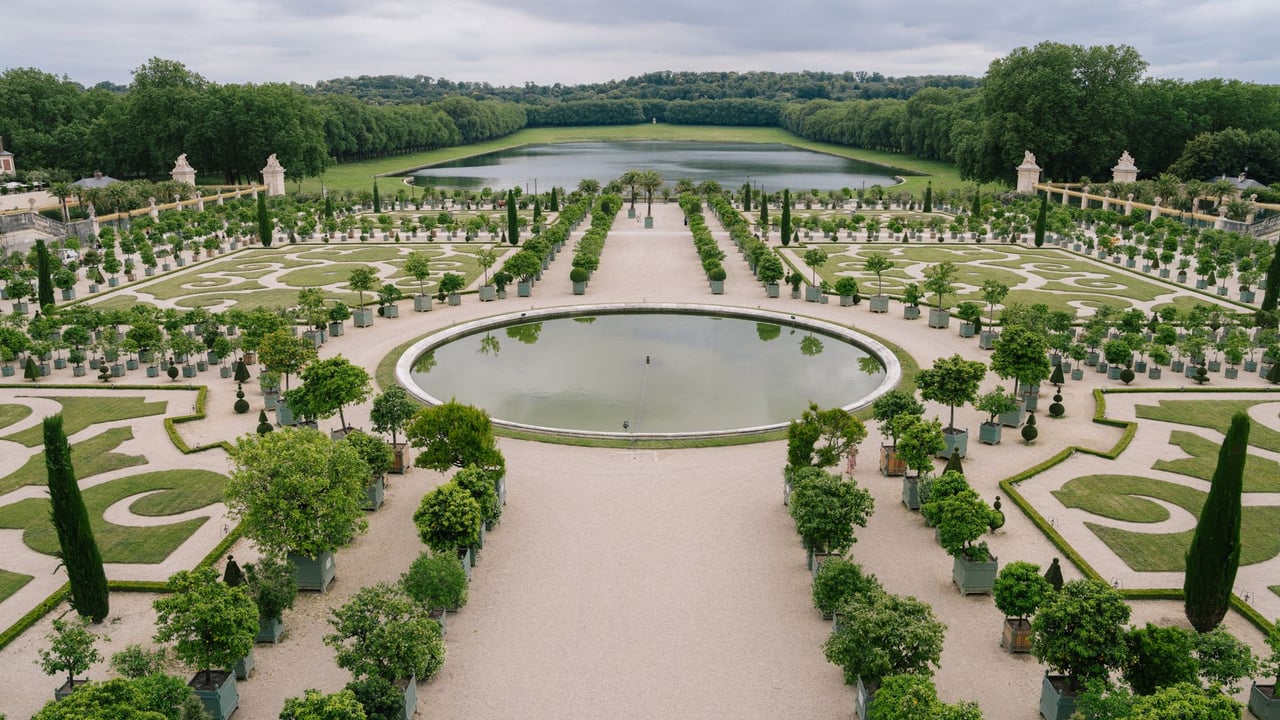

In a scene that blended the opulence of the Bourbon monarchy with the unpredictable theater of modern populism, Donald Trump leveraged the Hall of Mirrors at the Palace of Versailles to stage a diplomatic coup. During a state dinner with French President Emmanuel Macron, the U.S. President bypassed months of carefully choreographed diplomatic planning to demand the immediate signing of a Memorandum of Understanding (MOU) with the Islamic Republic of Iran. The move reportedly caught French hosts and even American staffers off guard, shifting the focal point of the negotiation from the quiet mountains of Switzerland to the grandeur of Louis XIV’s estate.
The original protocol had envisioned a somber, low-profile signing ceremony two days later in the Swiss resort of Bürgenstock, intended to be led by Vice President J.D. Vance. However, while touring the frescoes depicting France's historical triumphs, Trump reportedly insisted that the deal go into effect immediately. The logistical scramble that followed saw Secretary of State Marco Rubio and French Foreign Minister Jean-Noël Barrot hunting for a functional printer within the palace walls to produce the final document for a late-night signing session.
At its core, the 14-point memorandum represents a significant pivot in U.S.-Iran relations, focusing on high-stakes maritime and financial concessions. The document outlines a framework for reopening the Strait of Hormuz—a vital global energy artery—and provides for the easing of specific financial restrictions that have long throttled the Iranian economy. In exchange, both nations have committed to an aggressive 60-day window to negotiate a permanent resolution to the perennial deadlock over Iran’s nuclear program.
The optics of the event were as deliberate as the content was substantive. By signing the document in the presence of global titans of industry and French luxury moguls, Trump signaled a return to a 'transactional diplomacy' that favors high-visibility breakthroughs over bureaucratic process. Meanwhile, in Tehran, President Masoud Pezeshkian followed suit, signing a duplicate copy of the agreement, effectively tethering the political fortunes of both leaders to a ticking 60-day clock.
As Vice President Vance arrives in Switzerland to begin the technical heavy lifting, the international community is left to parse the implications of this 'Versailles Accord.' While the deal offers a temporary reprieve from escalating tensions in the Persian Gulf, the compressed timeline for a final nuclear settlement suggests a high-risk, high-reward strategy. The coming weeks will determine if this was a masterstroke of diplomatic disruption or merely a fleeting moment of palace pageantry.