
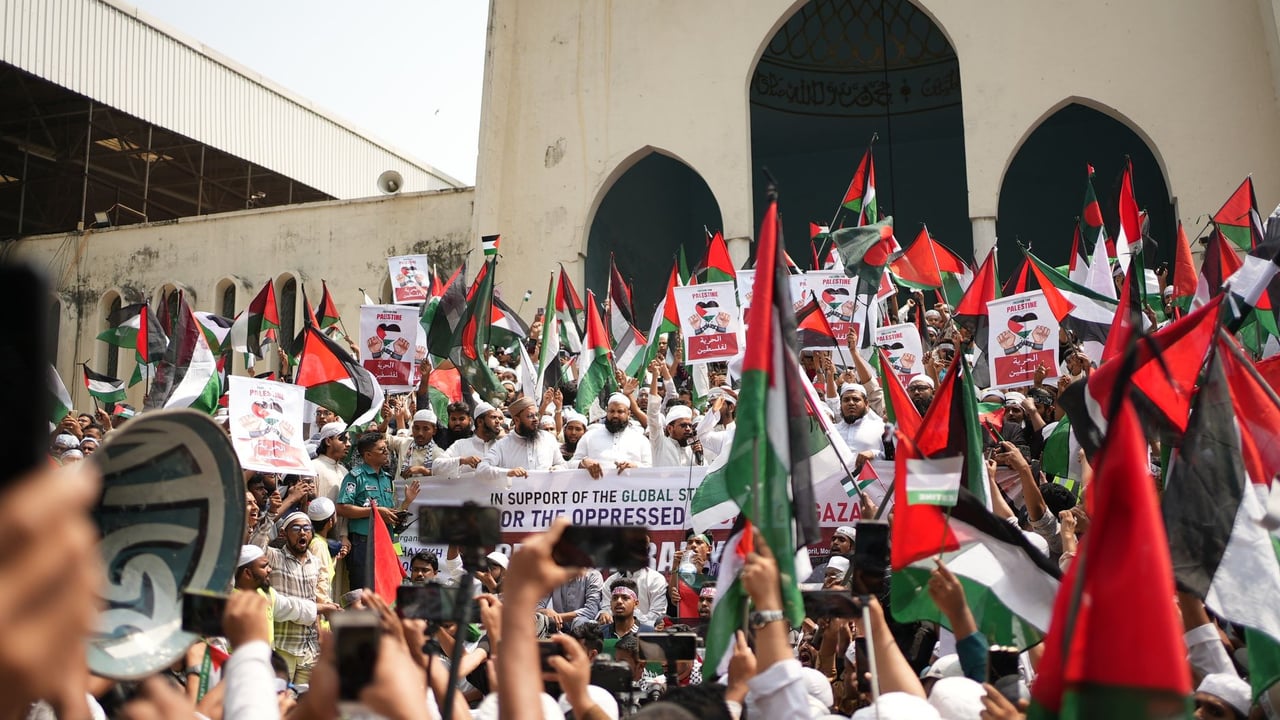

The conflict in Gaza has entered a grimly familiar phase of attrition, where the distinction between combatant and civilian remains a volatile point of contention. Recent Israeli Defense Forces (IDF) strikes on Gaza City and the Al-Bureij refugee camp resulted in at least nine deaths, including women and children. Among the deceased was Ahmed Wishah, a journalist for Al Jazeera, marking another flashpoint in the IDF’s fraught relationship with the international media.
The IDF defended the strike on Al-Bureij, alleging that Wishah functioned as a sniper for Hamas, though no corroborating evidence was provided at the time of the announcement. This claim was met with immediate and fierce condemnation from Al Jazeera, which characterized the strike as a "heinous crime" and a deliberate assassination. The tragedy is particularly poignant for the Wishah family, as Ahmed’s brother, also an Al Jazeera reporter, was reportedly killed in a similar military operation earlier this year.
Beyond the media controversy, the kinetic operations spanned the breadth of the enclave, striking residential structures in the Sabra district and a displacement camp in the Al-Mawasi humanitarian zone. These incidents underscore the persistent danger facing Gaza’s civilian population, even in designated safe zones or residential hubs. The Palestinian Journalists Syndicate reports that nearly 300 media workers have been killed since the escalation began, a figure that raises profound questions about the protection of non-combatants in high-density urban warfare.
As the diplomatic deadlock continues, the human toll of these "precision strikes" fuels a growing international outcry regarding the proportionality of Israel's military tactics. The systemic targeting—or incidental death—of journalists serves to further obscure the ground reality in Gaza, making independent verification of military claims increasingly difficult. This information vacuum often results in a war of narratives that polarizes global opinion while the civilian death toll continues to climb.