
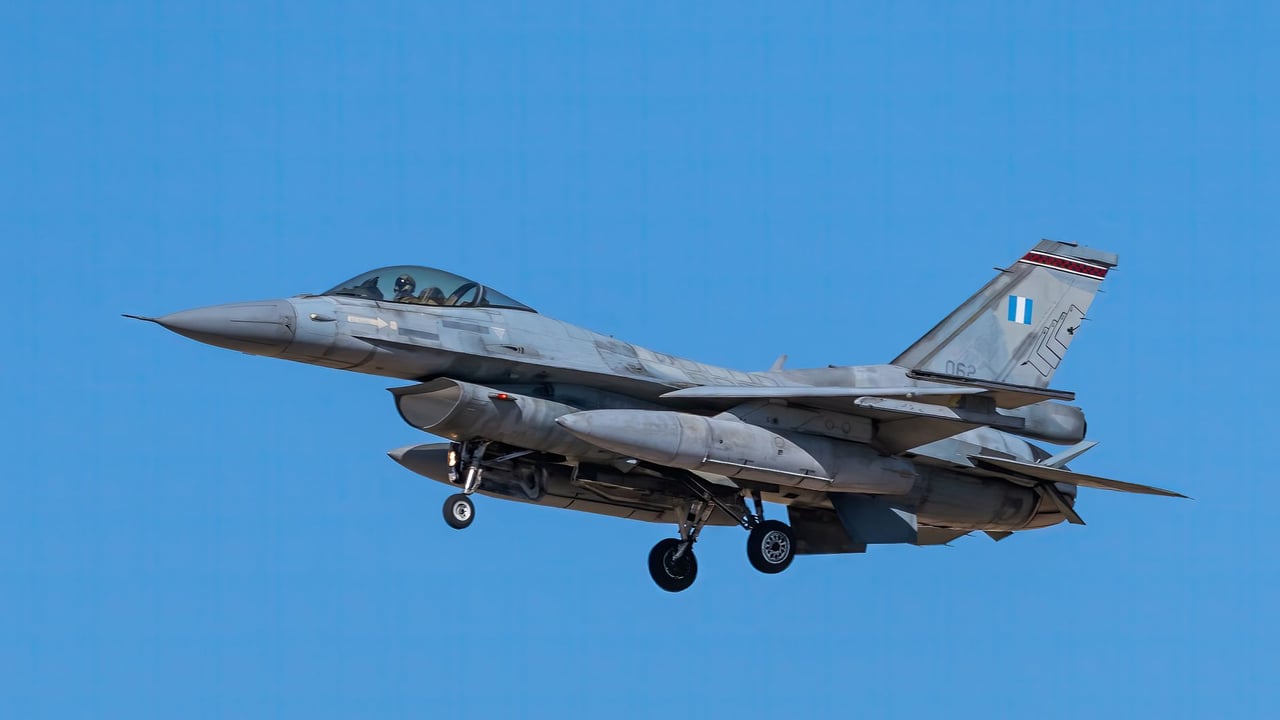

Taiwan’s ambitious efforts to modernize its aerial defenses are hitting a critical bottleneck that no amount of defense spending can immediately resolve: a chronic shortage of qualified personnel. Recent reports indicate that the Republic of China Air Force (ROCAF) is currently facing a deficit of over one hundred fighter pilots. This manpower crisis arrives at a precarious moment as the island prepares to integrate dozens of advanced F-16V fighters purchased from the United States.
The math of aerial defense is becoming increasingly unfavorable for Taipei. While the delivery of new airframes increases the military's theoretical firepower, each new aircraft requires a pilot who takes years to train and refine. Currently, the rate of retirement and resignation among experienced aviators is outpacing the recruitment of new cadets, leaving a widening gap in the cockpit that threatens operational readiness.
This personnel strain is exacerbated by Beijing’s relentless 'gray zone' warfare tactics. The People’s Liberation Army (PLA) has significantly increased the frequency of sorties into Taiwan’s Air Defense Identification Zone (ADIZ), forcing the ROCAF to scramble jets in response on a near-daily basis. This constant state of high alert accelerates airframe fatigue and, more critically, induces physical and mental burnout among the existing pilot corps.
Beyond the tactical pressure, broader societal shifts are complicating recruitment efforts. Taiwan is grappling with one of the world’s lowest birth rates, shrinking the pool of eligible candidates for demanding military roles. Furthermore, the private aviation sector offers far more lucrative and less stressful career paths for skilled pilots, making it difficult for the military to retain its most experienced instructors and flight leaders.
Ultimately, the shortage suggests that hardware-centric defense strategies may have a point of diminishing returns. If the cockpits of the world's most advanced fourth-generation fighters remain empty, the deterrent value of these multi-billion-dollar investments is significantly neutralized. For Taipei, the challenge of the coming decade will be as much about human capital management as it is about procurement.