
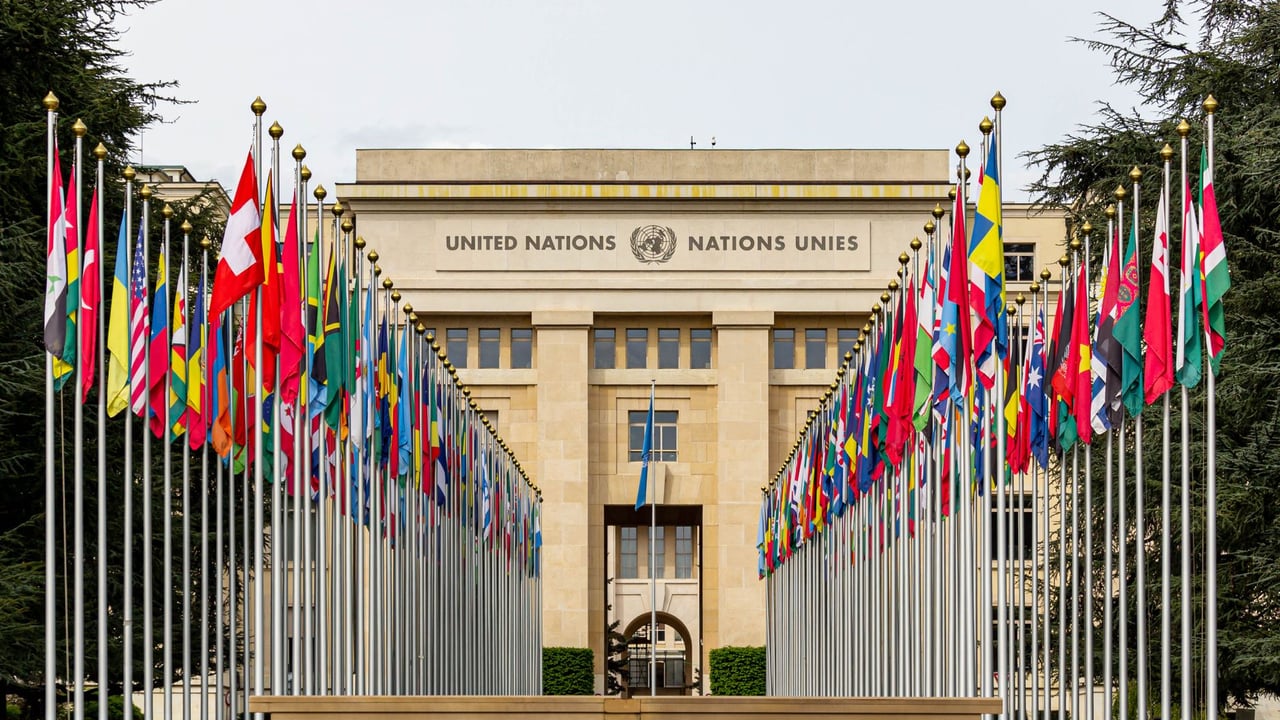

The arrival of senior American and Iranian delegations at the Bürgenstock resort in Switzerland marks a significant, albeit cautious, step forward in one of the world's most enduring diplomatic deadlocks. Scheduled for a single, intensive day of negotiations on June 21, 2026, the meeting aims to address the volatile security architecture and economic sanctions that have defined the relationship for years. The choice of the secluded Bürgenstock location—a venue synonymous with high-level mediation—suggests a mutual desire for a controlled environment away from the immediate glare of domestic political pressures.
Historical precedent suggests that such direct engagements are rarely spontaneous, often following months of back-channel communications through intermediaries. By choosing Switzerland, both Washington and Tehran are leaning on the Alpine nation’s long-standing role as a 'protecting power' and neutral facilitator. The condensed timeframe of the talks suggests that a specific framework or a list of achievable 'wins' has likely been prepared in advance, aimed at de-escalating regional tensions that have reached a boiling point in recent months.
For Washington, the primary objective remains the containment of nuclear ambitions and the curtailment of regional proxy activities that threaten global energy security. Conversely, the Iranian delegation, led by high-ranking officials, is expected to prioritize the lifting of crippling economic sanctions that have stifled the domestic economy and fueled civil unrest. The presence of both sides at the table simultaneously indicates a recognition that the status quo of 'maximum pressure' versus 'strategic patience' has reached its limit.
While expectations for a comprehensive 'Grand Bargain' remain low, the success of this one-day summit will be measured by the establishment of a formal roadmap for future dialogue. Any tangible progress on prisoner exchanges or minor sanctions relief could serve as the confidence-building measures needed to move beyond the current stalemate. As the sun sets over Lake Lucerne, the international community will be watching for any sign that these two adversaries can transition from cold hostility to a more predictable, if still adversarial, relationship.