The Bürgenstock Gambit: Diplomatic Maneuvers in Switzerland as Middle East Tensions Peak

Officials from Iran, the United States, Qatar, and Pakistan have convened in Switzerland to discuss the escalating crisis in Lebanon and the release of frozen Iranian assets. While these mediated talks represent a significant effort to de-escalate regional tensions, simultaneous hardline declarations from Israel regarding military operations in Lebanon underscore the extreme fragility of the diplomatic process.

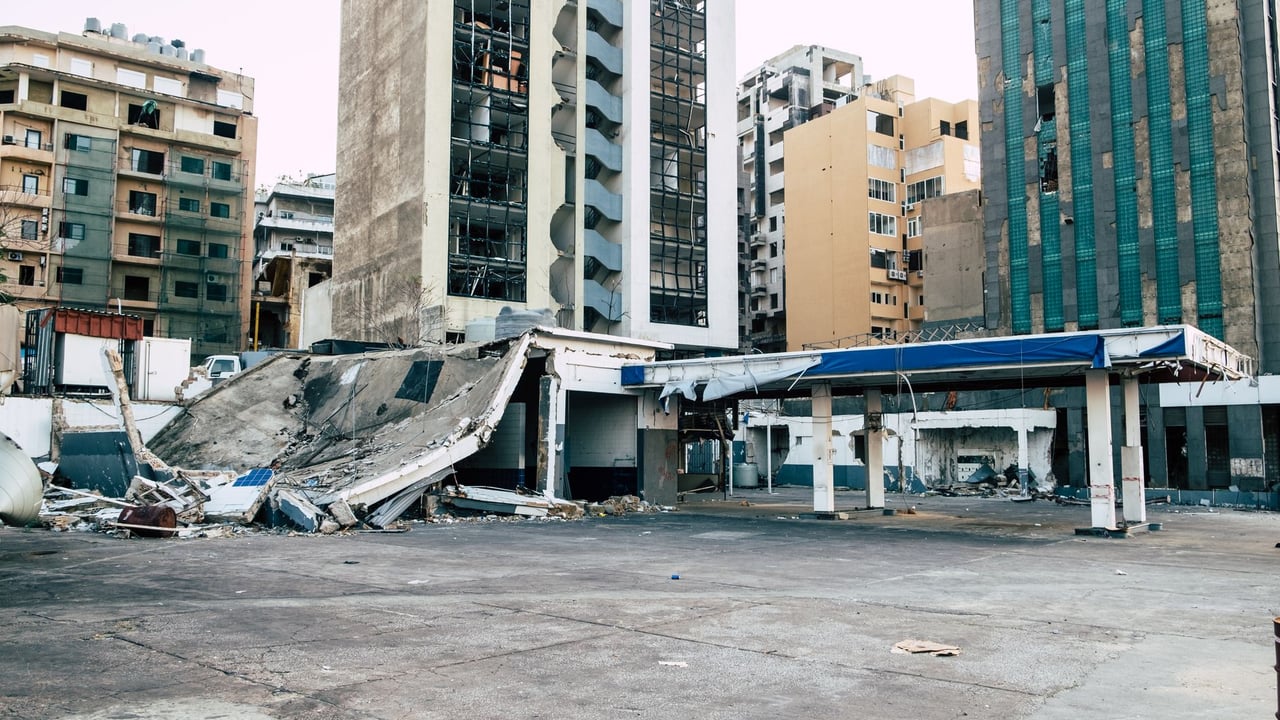
A striking image depicting the aftermath of destruction in Beirut, Lebanon's urban landscape.

Key Takeaways

  • 1High-stakes mediated negotiations are currently taking place in Bürgenstock, Switzerland, involving US and Iranian delegations.
  • 2Qatar and Pakistan are serving as the primary mediators, facilitating both bilateral and quadrilateral discussions.
  • 3The primary agenda items include the stability of Lebanon and the release of frozen Iranian financial assets.
  • 4The diplomatic efforts are being complicated by Israel's stated policy of unrestricted military action within Lebanese territory.
  • 5Meetings are structured to allow for technical preparation before entering into more sensitive political quadrilateral sessions.

Editor's
Desk

Strategic Analysis

The Bürgenstock meetings represent a classic 'de-confliction' exercise where both Washington and Tehran acknowledge that a total regional collapse serves neither of their interests. For the Biden administration, stabilizing Lebanon is a priority to prevent a wider war during a sensitive election year; for Tehran, the promise of liquidating frozen assets provides a necessary economic lifeline. However, the 'Israel factor' remains the primary wild card. If the IDF proceeds with a deep ground incursion into Lebanon to establish a security buffer, the diplomatic framework established in Switzerland will likely shatter, as Hezbollah and its Iranian patrons would feel compelled to respond with more than just rhetoric.

China Daily Brief Editorial
Strategic Insight
China Daily Brief

Amidst a backdrop of escalating regional volatility, high-level diplomatic delegations from Iran and the United States have convened in the serene heights of Bürgenstock, Switzerland. This unexpected flurry of activity, facilitated by the diplomatic weight of Qatar and Pakistan, suggests a desperate search for a 'pressure valve' to prevent the various flashpoints in the Middle East from merging into a singular, uncontrollable conflagration.

The agenda for these discussions is dual-tracked, balancing immediate security concerns with long-standing economic grievances. On one hand, the negotiators are grappling with the deteriorating situation in Lebanon, where the threat of a full-scale war between Israel and Hezbollah looms larger than at any point in the last two decades. On the other, Tehran is seeking movement on the perennially thorny issue of its frozen international assets, which remain a primary lever of American economic statecraft.

Technically described as 'preparatory sessions,' the morning meetings involved a complex dance of mediation. Iranian representatives first consulted with their counterparts from Pakistan and Qatar to align on procedural and thematic boundaries. By the afternoon, the format expanded into a quadrilateral framework, allowing for indirect but substantive communication between Washington and Tehran via their regional proxies.

However, the optimism of the Swiss alpine air is starkly contrasted by the rhetoric emanating from Jerusalem. Israeli Defense Minister Israel Katz has recently reaffirmed that the Israel Defense Forces (IDF) will operate with 'no restrictions' in Lebanese territory to eliminate perceived threats. The IDF’s stated intention to establish and maintain a 'security zone' within Lebanon suggests a military trajectory that may be moving faster than the diplomatic one in Switzerland.

Share Article

Related Articles

📰
No related articles found