Diplomatic Choreography: Iran Consults Pakistan in Switzerland Ahead of U.S. Engagement

An Iranian delegation met with Pakistan's Prime Minister in Switzerland to coordinate regional strategy immediately before high-stakes talks with U.S. officials. The meeting underscores Tehran's effort to build a regional consensus and secure its borders before engaging in broader international negotiations.

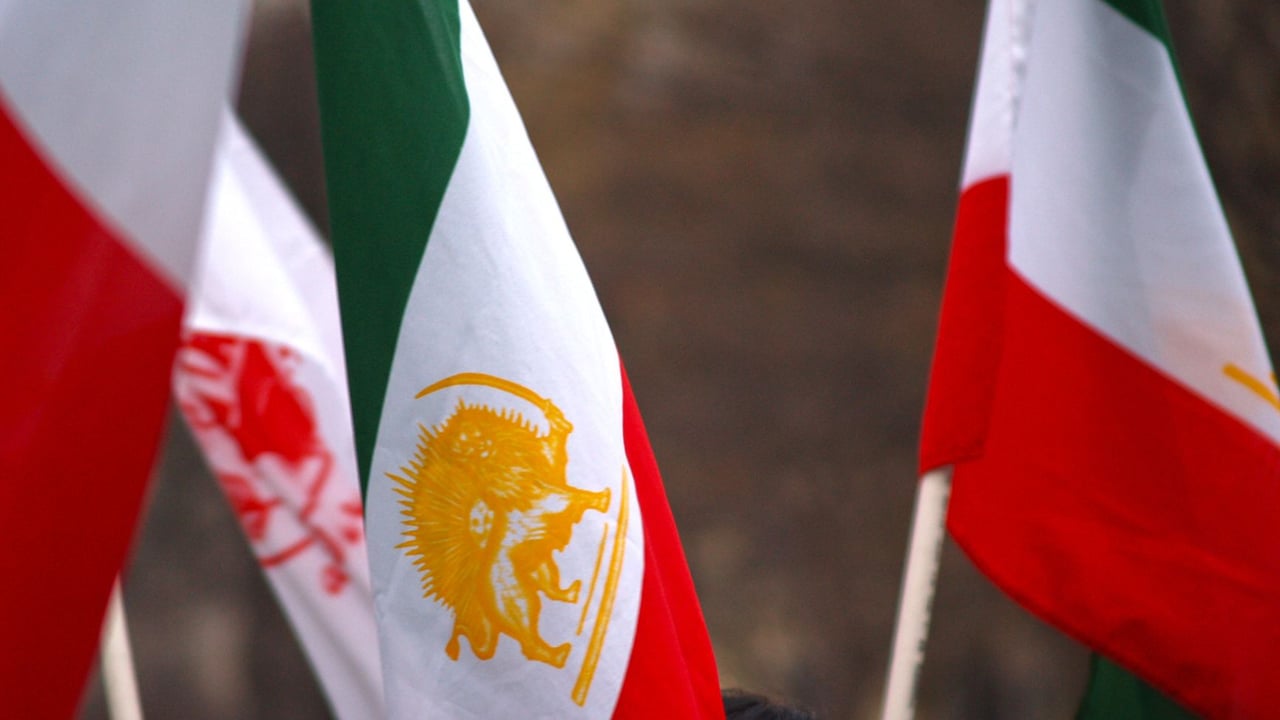
Close-up of Iranian flags waving outdoors in Washington, DC, showcasing cultural identity.

Key Takeaways

  • 1Iranian negotiators met with the Pakistani Prime Minister in Switzerland prior to U.S. talks.
  • 2The meeting indicates a strategic move by Iran to consult regional partners before Western engagement.
  • 3Switzerland continues to serve as the central neutral hub for complex multi-lateral diplomacy.
  • 4Coordination with Pakistan likely involves border stability and regional security concerns relevant to both nations.

Editor's
Desk

Strategic Analysis

This meeting represents a sophisticated shift in Iranian diplomacy, moving away from isolated bilateralism toward a integrated regional approach. By engaging Pakistan—a nuclear-armed neighbor with significant influence in both Beijing and Washington—Tehran is effectively constructing a 'regional shield.' This allows Iran to enter negotiations with the United States not as an isolated actor, but as a coordinated regional power. For Pakistan, the meeting affirms its role as a necessary stakeholder in any settlement involving Iran, ensuring that its own security interests along the Sistan-Baluchestan border are not sidelined by a grand bargain between Tehran and Washington.

China Daily Brief Editorial
Strategic Insight
China Daily Brief

The diplomatic landscape in Switzerland has transformed into a high-stakes theater of regional coordination as an Iranian negotiating team held a pivotal meeting with Pakistan’s Prime Minister. This encounter occurred just hours before scheduled discussions with American representatives, signaling a calculated effort by Tehran to align its regional flank before engaging with its primary Western adversary.

By prioritizing a session with Islamabad, Tehran is likely seeking to project a image of regional solidarity. Pakistan, which shares a volatile border with Iran and maintains complex but essential ties with Washington, often serves as a critical buffer and occasional intermediary in Middle Eastern and South Asian security architectures.

The choice of Switzerland as the venue reinforces its status as the world’s premier neutral ground for sensitive geopolitical maneuvering. For the Iranian delegation, securing a common understanding with Pakistan on issues ranging from border security to regional trade provides essential leverage when they eventually face their American counterparts across the table.

This sequence of events suggests that the upcoming Iran-U.S. talks will not happen in a vacuum. Instead, they are being framed by a 'neighborhood first' strategy, where Tehran seeks to ensure that any potential diplomatic breakthroughs or concessions do not destabilize its immediate peripheral relationships.

Share Article

Related Articles

📰
No related articles found