

A high-stakes diplomatic dance is unfolding in Switzerland as representatives from Tehran and Washington convene for a crucial quadripartite meeting, flanked by mediators from Qatar and Pakistan. Despite the formal setting, the atmosphere remains thick with a 'trust deficit' that threatens to derail a fragile memorandum of understanding (MoU) before the ink has fully dried. The core of the tension lies in a fundamental misalignment of goals: Iran views the talks as a mechanism for accountability following alleged US breaches, while the Trump administration seeks to mitigate regional losses without offering true reconciliation.
For the White House, the stakes are domestic and economic. With midterm elections on the horizon, the administration is desperate to stabilize global oil prices and curb inflation, making the preservation of a functional framework with Iran a political necessity. However, this pragmatic push for market confidence is colliding with a volatile regional reality. The primary friction point remains the 'all-domain ceasefire' clause of the current MoU, a provision that Iran argues has been rendered meaningless by ongoing military escalations.
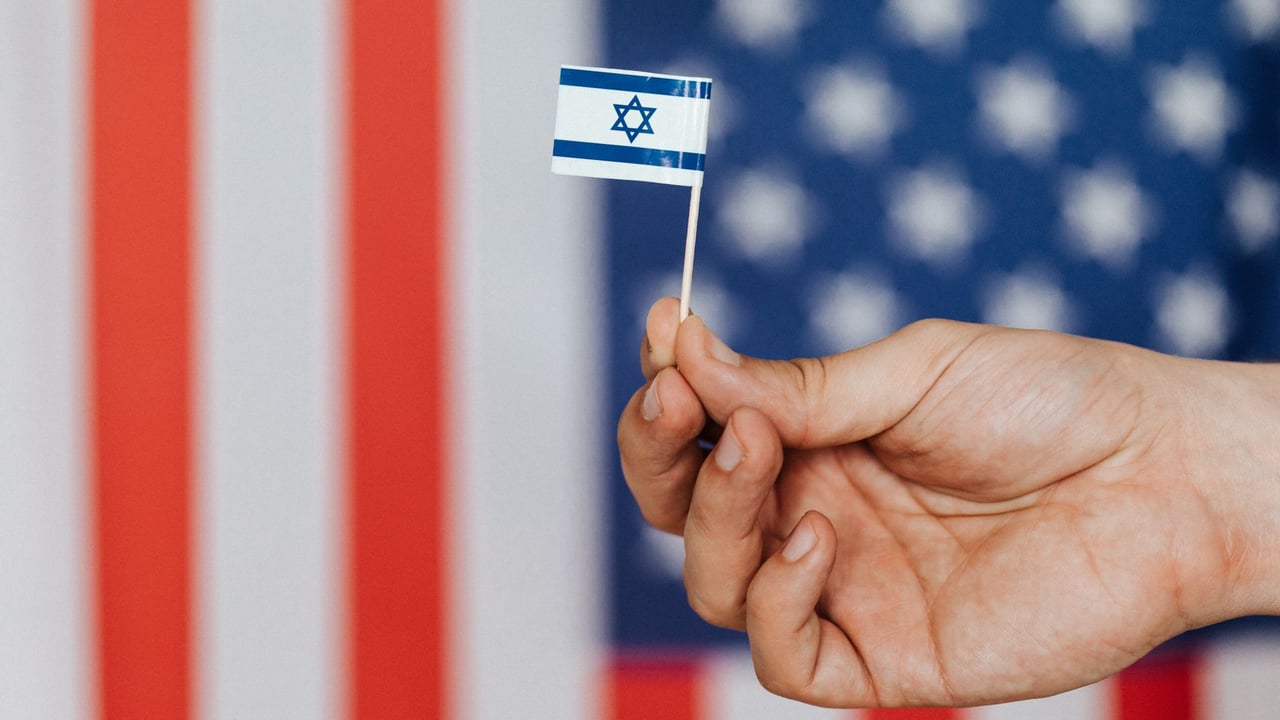
Israel’s intensifying military operations in Lebanon have become the most significant external variable in these negotiations. Though Israel is not a signatory to the bilateral understandings, Tehran views Washington’s inability to restrain its primary regional ally as a failure of compliance. This perception has led Iranian negotiators to frame their current stance not as a lack of will to talk, but as a mandatory defensive posture to maintain the efficacy of their regional deterrence.
Substantive breakthroughs in Switzerland are unlikely, with the dialogue expected to pivot toward narrow technical parameters. Negotiators are likely to focus on the minutiae of the Strait of Hormuz, including mine-clearing schedules, merchant ship reporting protocols, and coordination between the Iranian Coast Guard and US maritime forces. While these technical fixes and the potential unfreezing of Iranian assets represent low-hanging fruit, they do little to bridge the widening strategic chasm between the two adversaries.
Ultimately, the value of the current summit lies in the maintenance of communication channels rather than the resolution of deep-seated grievances. Within the 60-day negotiation window that began on June 18, three days have already been lost to mutual recriminations. In a landscape where military strikes in Southern Lebanon can shatter diplomatic momentum at any moment, the mere act of sitting at the table is being redefined as progress.