

The serene heights of Bürgenstock, Switzerland, have become the unlikely backdrop for a high-stakes diplomatic gambit involving the United States, Iran, and Qatar. This tripartite meeting signifies a renewed attempt to stabilize the deteriorating situation in Lebanon, a nation long caught in the crossfire of regional power struggles. By convening on neutral Swiss ground, the parties are signaling a pragmatic shift toward direct engagement over long-standing grievances.
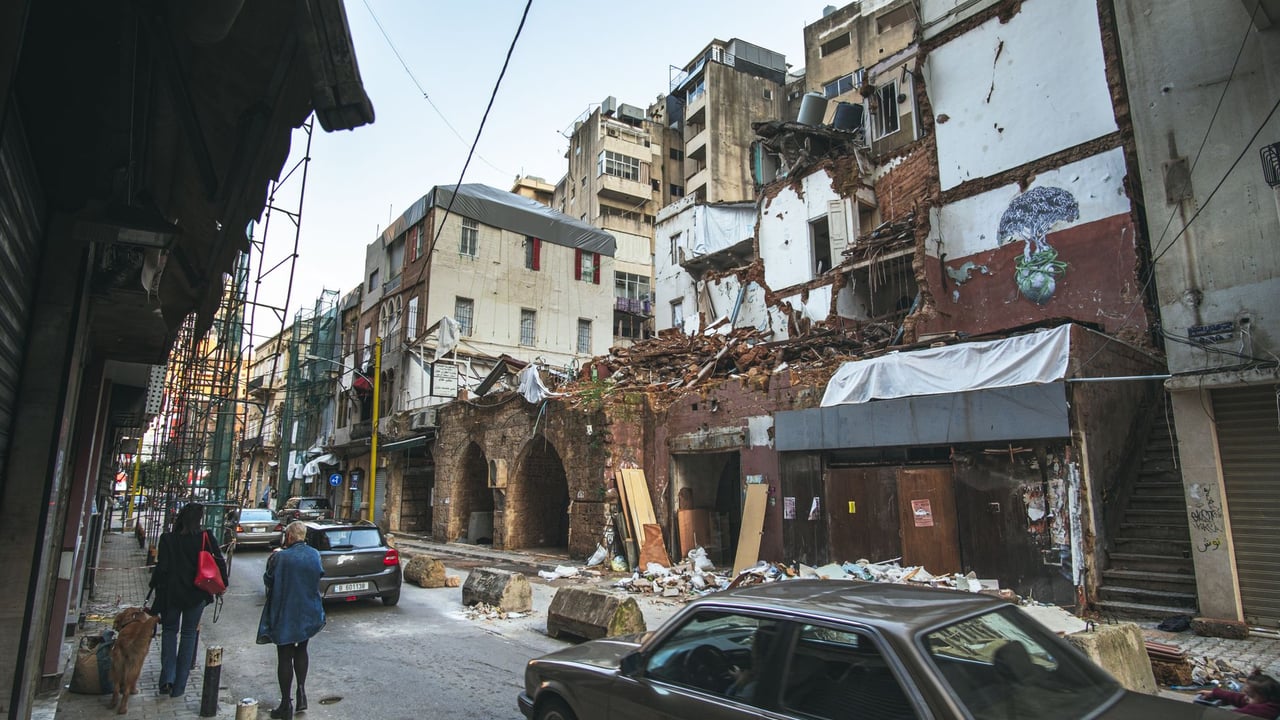
Central to these discussions is the volatile security landscape of Lebanon, where the risk of an all-out regional conflict remains a constant shadow. For the United States, stabilizing the Levant is a strategic priority to prevent a wider humanitarian and security catastrophe. For Iran, Lebanon remains its most critical external sphere of influence, primarily through its support of Hezbollah, making Tehran's involvement essential for any lasting ceasefire or political resolution.
However, the dialogue is not purely focused on security; it is also deeply transactional. The inclusion of 'frozen Iranian assets' on the agenda provides the necessary economic incentive for Tehran to remain at the negotiating table. Access to billions of dollars in overseas accounts, currently blocked by U.S. sanctions, represents a vital lifeline for an Iranian economy under immense pressure, serving as the primary 'carrot' in Washington’s diplomatic arsenal.
Qatar’s role as the intermediary continues to be the linchpin of this delicate process. Doha has masterfully positioned itself as the indispensable bridge between the Islamic Republic and the West, leveraging its unique relationship with both sides to facilitate communication. This Swiss summit reflects a sophisticated multi-track diplomacy where regional stability is traded for financial concessions, managed by a trusted regional broker.