Echoes of Unit 731: New Evidence Details Imperial Japan’s Human-Animal Blood Experiments

A 1940 military report has confirmed that the Imperial Japanese Army conducted lethal experiments injecting animal blood into humans during its occupation of China. These findings, recovered from internal medical journals, provide further evidence of systemic war crimes and continue to complicate historical reconciliation in Northeast Asia.

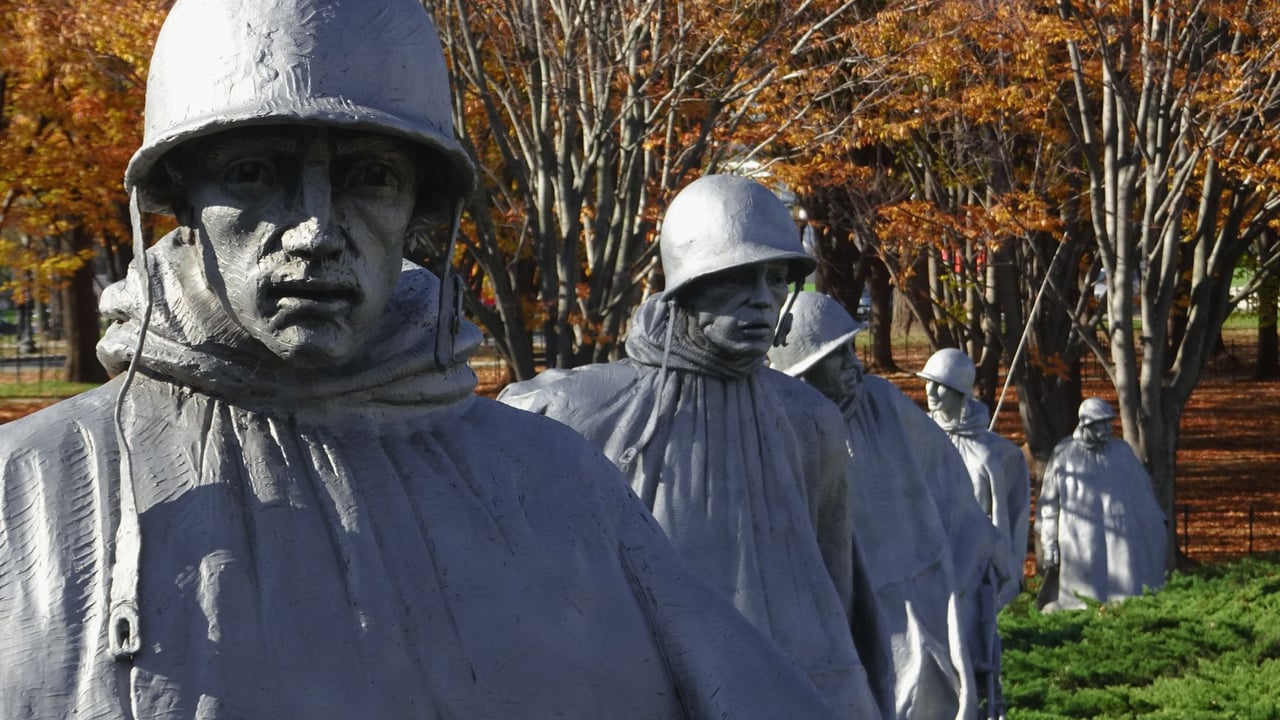
Statues of soldiers at the Korean War Veterans Memorial in autumn.

Key Takeaways

  • 1Records from a 1940 medical conference reveal horse and chicken blood was injected into 23 human subjects in 1938.
  • 2The experiments were documented in internal 'Army Medical Corps' journals that escaped the military's efforts to destroy evidence at the end of the war.
  • 3Subjects suffered from high fevers and other severe physiological reactions as a result of the cross-species transfusions.
  • 4The discovery highlights that human experimentation was integrated into the broader Japanese military medical bureaucracy beyond specific units like 731.

Editor's
Desk

Strategic Analysis

The persistence of 'archival activism' by Japanese journalists and academics remains a critical check against historical revisionism in East Asia. By unearthing these specific technical reports from within the military's own medical bureaucracy, researchers are making it increasingly difficult for deniers to categorize wartime atrocities as isolated or unproven incidents. In the broader geopolitical context, these revelations provide Beijing with significant moral leverage, ensuring that the history of the 1930s and 40s remains a living, breathing component of modern Chinese nationalism and its foreign policy toward Japan.

China Daily Brief Editorial
Strategic Insight
China Daily Brief

A chilling discovery within the archives of the Imperial Japanese Army has shed new light on the depths of medical atrocities committed during the occupation of China. Newly surfaced reports from a 1940 military medical conference confirm that Japanese surgeons conducted lethal experiments involving the injection of animal blood into human subjects.

The documents, recently highlighted by Japan’s Kyodo News, detail experiments carried out in the autumn of 1938. At least 23 unidentified individuals were subjected to procedures where horse blood was administered to those in critical states of blood loss, while chicken blood was injected into others to monitor its persistence in the human circulatory system.

These trials, which resulted in severe symptoms including high fevers and physiological shock, represent a profound violation of medical ethics. While the Japanese military attempted to destroy most evidence of human experimentation as the war drew to a close, these specific records survived within the internal publications of the "Army Medical Corps."

This revelation adds a gruesome chapter to the legacy of the infamous Unit 731 and other biological warfare divisions. For Beijing, such findings serve as a potent reminder of the wartime suffering and continue to fuel diplomatic friction over how Tokyo acknowledges its imperial past.

The publication of these findings by Japanese media and researchers signals a persistent, albeit contentious, effort within Japan to confront historical truths. Historians argue that a full accounting of these medical crimes is essential for any meaningful reconciliation between the neighboring nations.

Share Article

Related Articles

📰
No related articles found