
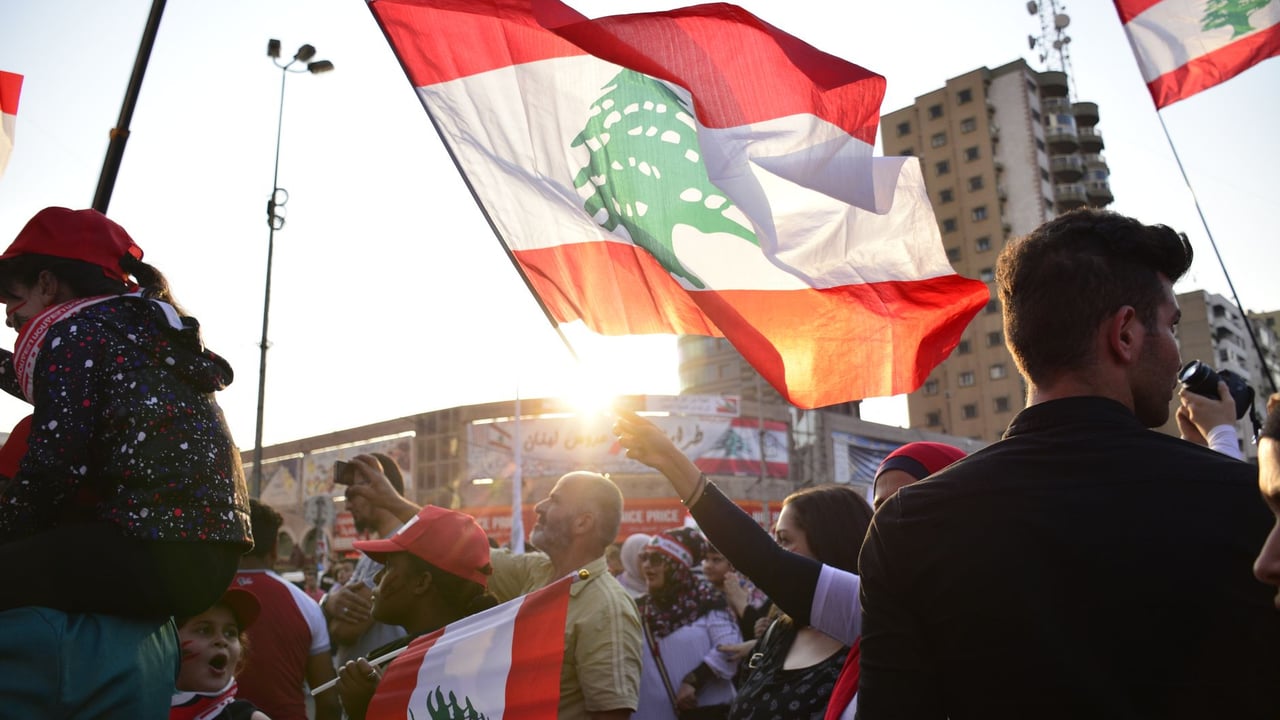

In a move that could signal a decisive shift in the Levant's volatile security landscape, Iran’s Foreign Minister has announced that negotiations aimed at ending the protracted conflict in Lebanon have achieved "significant progress." This declaration, emerging from Tehran on June 22, 2026, suggests that the backchannel diplomacy involving regional power brokers may finally be yielding a framework for stability.
The Lebanese crisis, long exacerbated by the friction between Israeli security imperatives and the entrenchment of Iranian-backed Hezbollah, has pushed the Mediterranean nation to the brink of total socioeconomic collapse. For Tehran, Lebanon represents a critical strategic outpost; any reported progress by Iranian officials likely implies a renegotiation of proxy operational postures or a calculated move to alleviate mounting international pressure on the Islamic Republic.
While the specific terms of this breakthrough remain undisclosed, the timing is particularly noteworthy as global energy markets remain sensitive to Middle Eastern instability. A cessation of hostilities in Lebanon would provide much-needed breathing room for regional infrastructure and trade routes. This diplomatic overture also serves as a litmus test for the effectiveness of recent multilateral mediation efforts that have sought to bypass traditional diplomatic deadlocks.
However, seasoned observers remain cautious regarding the durability of such claims. Historically, announcements of diplomatic progress in the region have occasionally served as tactical maneuvers to allow proxy forces to regroup rather than as genuine precursors to lasting peace. The international community will be watching closely to see if this rhetoric translates into a verifiable reduction of cross-border provocations along the Blue Line.