

In the winter of 1982, the return of a former paratrooper named Shanman to the secluded Old Locust Tree Village reignited a bitter rivalry rooted in childhood trauma. The narrator’s father, a man characterized by his pragmatic but petty survival instincts, greeted the news with a mixture of fear and disdain. Their history was one of competitive 'flights' and public humiliations, beginning with a childhood sledding accident that left Shanman paralyzed by a lifelong fear of heights.
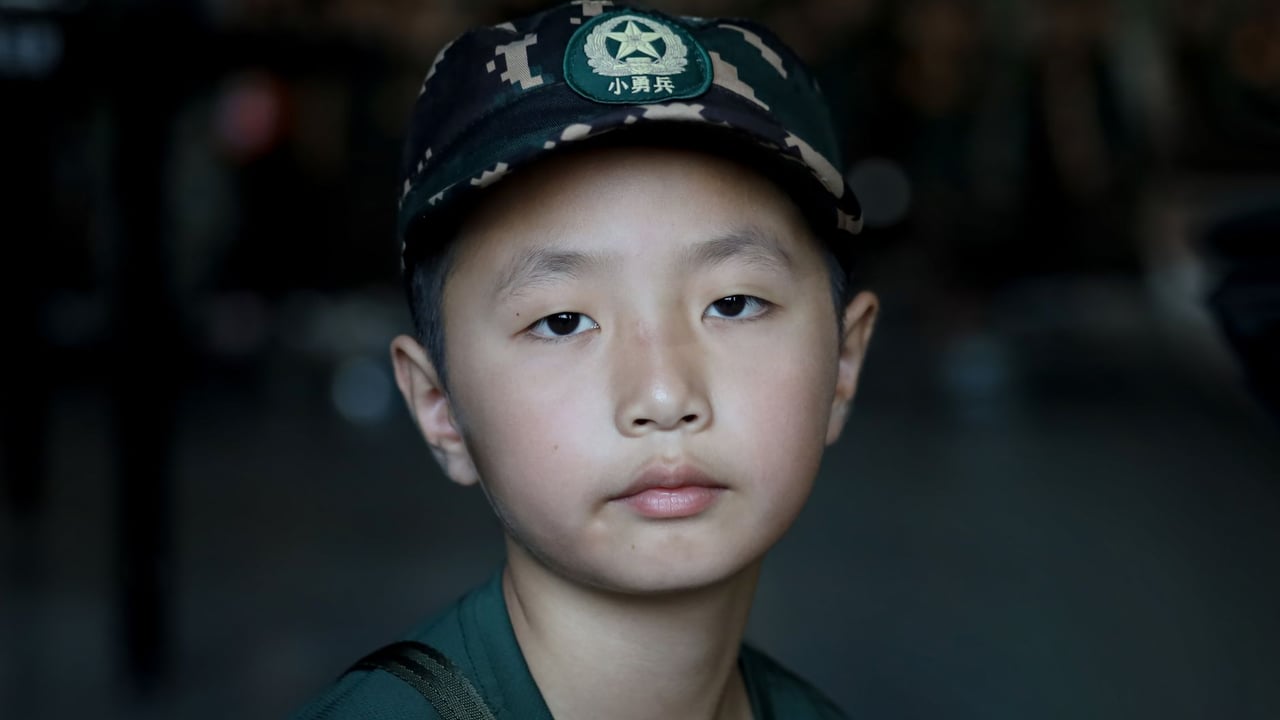
Shanman’s departure for the elite paratrooper corps of the People's Liberation Army had been framed as a grand escape from his rural limitations. He boasted of trading tractors for airplanes, seeking to finally surpass the father’s local status. However, the reality of his service was a descent into institutional failure. His severe acrophobia made him a liability during jump training, leading to a demotion from the skies to the mess hall and eventually to a pig farm.
Now serving as a forest ranger on White Tiger Mountain, Shanman lives in a state of perpetual irony. His duty requires him to climb a thousand-step 'sky ladder' to a fire lookout tower, where he remains gripped by the same vertigo that ended his military career. From this height, he monitors the vast forests and the distant Yangtze River, trapped between his aspirations for the horizon and his physical inability to face the abyss.
This psychological stalemate is broken when Shanman discovers an injured Hoopoe trapped in a poacher’s net. The bird, known in local lore for its striking crest but limited flight ability and unpleasant odor, becomes a surrogate for Shanman’s own broken state. In an act of desperation, he returns to the village to demand medicine from his old rival, leveraging their past animosity to ensure the creature's survival.
The confrontation between the two men reveals the underlying tragedy of rural life and the weight of failed social mobility. The father, having learned of Shanman’s 'useless' military record, initially scorns the request, seeing the Hoopoe as a reflection of Shanman himself—a bird that cannot truly fly. Yet, the interaction forces a reckoning with their shared past, suggesting that even grounded spirits require a form of grace to survive the descent.