
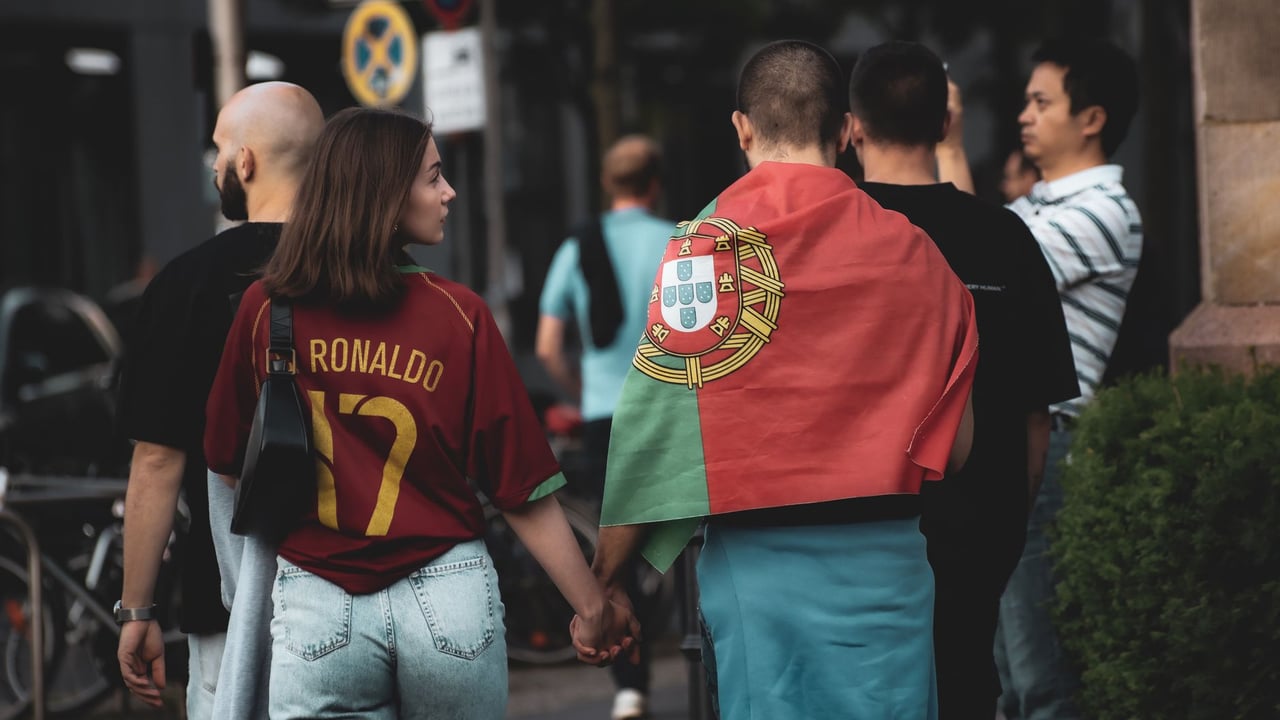

The 2026 World Cup has cemented a profound shift in the hierarchy of professional sports, where the mastery of the ball is increasingly secondary to the mastery of the balance sheet. While the tournament continues to captivate global audiences with on-field drama, a more enduring competition is unfolding within the private equity and venture capital landscapes. The world's top footballers have transitioned from being mere employees of elite clubs to becoming sophisticated 'athlete-capitalists' with portfolios spanning tech, real estate, and institutional finance.
Cristiano Ronaldo’s staggering $300 million annual haul and Lionel Messi’s $140 million earnings highlight a new era of financial independence. For these titans, salary is merely the foundation for complex commercial empires. Ronaldo has leveraged his peerless social media reach to institutionalize his 'CR7' brand, moving beyond traditional endorsements into significant stakes in AI search engines like Perplexity and wearable tech unicorns like WHOOP. His wealth management now mirrors that of a family office, focused on generational wealth and institutional stability.
Lionel Messi’s move to Inter Miami serves as a case study in long-term equity strategy. By eschewing a billion-dollar offer from Saudi Arabia in favor of a deal that included ownership stakes and revenue-sharing with tech giants like Apple and Adidas, Messi signaled that the modern superstar values assets over liquidity. His investment vehicle, Play Time Sports-Tech, and his Nasdaq-listed brand management firm, MGO Global, illustrate a move toward vertical integration where the athlete controls the entire value chain of their persona.
This trend is accelerating among the next generation of superstars like Kylian Mbappé and Erling Haaland. These younger players are bypassing the slow build-up of traditional endorsements to dive directly into venture capital. Mbappé’s Coalition Capital and Haaland’s diverse investments in Norwegian shipping and bio-pharmaceuticals suggest that financial literacy is now a core competency for the elite athlete. They are no longer just faces on a billboard; they are shareholders in the companies that own the billboards.
As the 2026 World Cup highlights the astronomical market values of teenagers like Lamine Yamal, the silent capital battle off the pitch has become the true measure of a player's legacy. The ability to run fast and score goals provides the entry ticket to this exclusive club, but it is the deployment of capital that ensures their influence outlasts their physical prime. In the modern game, the most significant victories are often won in the boardroom long after the stadium lights have dimmed.