
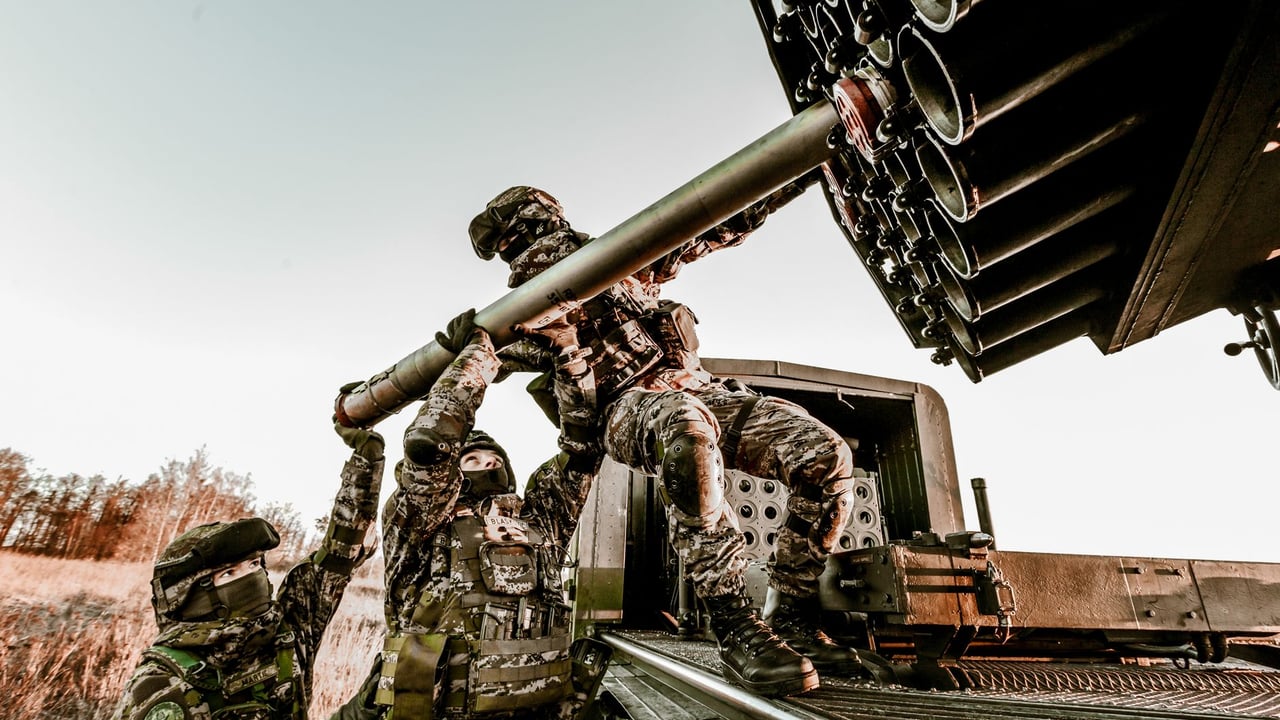

The visual of multiple Dongfeng-17 (DF-17) hypersonic missile launchers operating in tandem across a rugged field represents more than a choreographed propaganda display. For the People’s Liberation Army (PLA), this recent demonstration of 'multi-vehicle volley' firing signifies a transition from testing experimental technology to the full operationalization of a sophisticated strike system. While the missiles themselves garner headlines, the real story lies in the underlying logistics of rapid mobility, synchronized launch, and immediate repositioning to ensure survival in a high-intensity conflict.
Simultaneously, across the strait, Taiwan has launched its five-day 'Immediate Combat Readiness' exercise, focusing on rapid deployment and the conversion of peacetime forces to wartime readiness. However, the contrast between the two drills highlights a widening chasm that military analysts call 'systemic suppression.' While Taiwan practices tactical survival and emergency response, Beijing is demonstrating a multi-domain architecture designed to overwhelm defenses through sheer scale and technological integration.
The PLA’s current trajectory is no longer defined by the procurement of individual 'silver bullet' weapons, but by the maturation of a comprehensive kill chain. This system integrates the DF-17 and DF-26D with the Type 055 ‘Renhai’ class destroyers and advanced electronic warfare suites. The goal is to ensure that even under heavy electromagnetic interference, the sensor-to-shooter loop remains intact, allowing for high-volume, precision strikes that can bypass traditional missile defense systems.
Taiwan’s defense strategy continues to rely on a mix of aging platforms and high-end tactical imports, such as HIMARS and Patriot missile batteries. While these assets provide a localized deterrent, they struggle to match the generational shift seen in the PLA’s newer assets. The comparison between Taiwan’s Cold War-era Kee Lung-class destroyers and China’s Type 055 illustrates this gap, with the latter functioning as a networked command center rather than just a missile platform.
Beyond the hardware, a profound industrial disparity is shaping the cross-strait balance. Beijing’s ability to mass-produce and iterate its domestic military technology allows for a continuous evolution of tactics and a resilient supply chain. Conversely, Taiwan remains heavily dependent on foreign procurement, which is often subject to political delays and the strategic priorities of external powers, most notably the United States.
Ultimately, these military maneuvers serve a broader political narrative regarding the inevitability of unification. By demonstrating a credible capability to suppress Taiwan’s defenses 'systemically,' Beijing aims to erode the psychological foundation of 'armed resistance.' The strategy is to prove that the military cost of a conflict would be so lopsided that the only rational path forward is political accommodation, backed by the reality of overwhelming kinetic power.