

The recent high-stakes summit in Switzerland between the United States and Iran represents the most significant diplomatic breakthrough in a generation. After years of escalating tensions and proxy conflicts, the two nations have emerged from their first round of negotiations with a five-point framework aimed at immediate de-escalation and structural stabilization. This development marks a pivot from isolationism toward a pragmatic, if cautious, engagement.
Central to the agreement is a 60-day reprieve from U.S. sanctions on Iranian oil and petrochemical products. This temporary window serves as a critical economic olive branch, providing Tehran with much-needed fiscal breathing room while global energy markets look for signs of stability. The short duration of the waiver suggests that Washington is employing a "trust but verify" approach, keeping the pressure on for continued compliance.
The geopolitical implications of the deal extend deeply into regional security, specifically regarding the Levant. The establishment of a monitoring mechanism for a Lebanon ceasefire—with Iran as a formal participant—signals a reluctant but necessary recognition by Washington of Tehran's regional influence. By bringing Iran into the fold of Lebanese stability, the negotiators hope to neutralize one of the Middle East’s most volatile flashpoints.
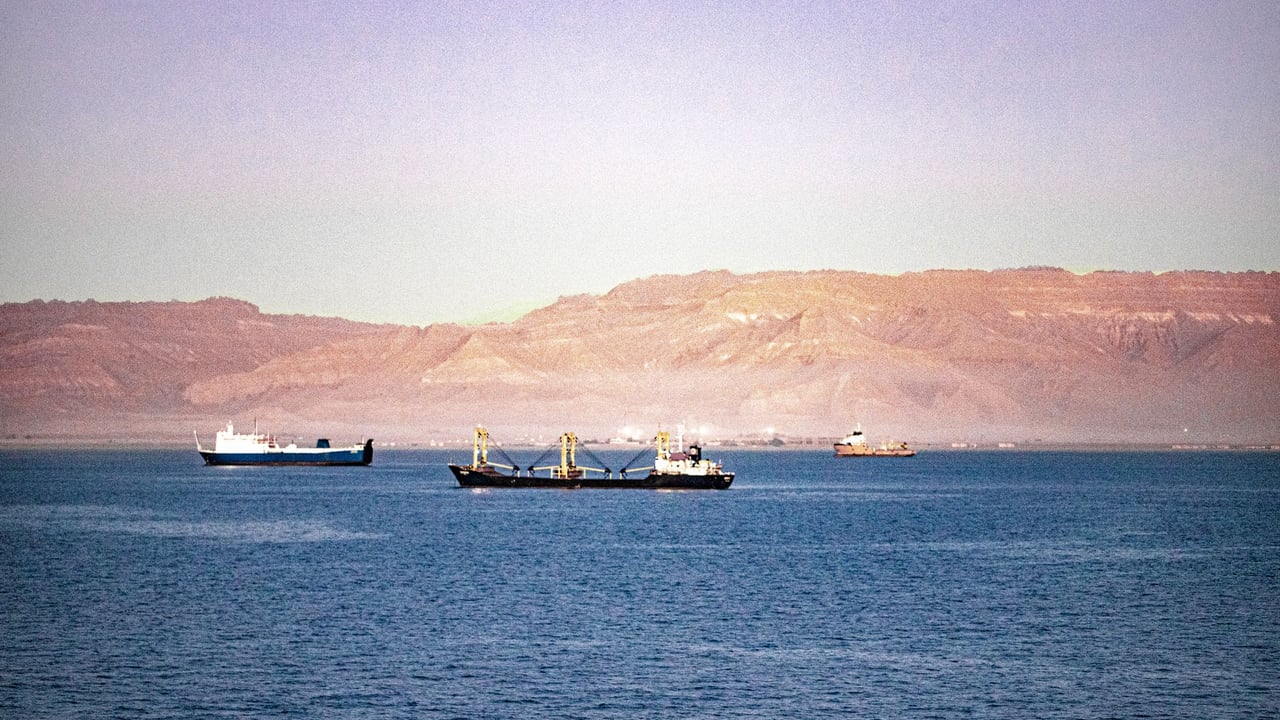
Maritime security, a perennial source of global economic anxiety, also saw a breakthrough with the creation of a direct "hotline" to manage the Strait of Hormuz. This communication channel is designed to facilitate the gradual reopening of the strait and prevent the accidental military escalations that have historically threatened global trade. This move reflects a mutual interest in protecting the world’s most vital energy artery from further disruption.
Finally, the financial architecture of the deal relies on the mediation of Qatar to facilitate the unfreezing of Iranian assets. This complex arrangement allows the U.S. to maintain its broader financial sanctions regime while providing a controlled mechanism for Iran to access its capital for humanitarian or economic purposes. However, the path to a comprehensive final settlement remains contingent on the execution of specific memorandum clauses, indicating that the road to full normalization remains long.