

In the high-stakes gold rush for artificial intelligence, the spotlight has remained fixed on the high-performance GPUs that power large language models. However, a recent deep-dive report from CITIC Securities suggests that investors may be overlooking the critical 'plumbing' that makes this compute power possible: the Peripheral Component Interconnect Express (PCIe) protocol. As AI architectures evolve, the PCIe switch is emerging as a primary beneficiary of what analysts describe as a 'slow inflation' trend, where the volume and value of interconnect components grow steadily alongside compute demands.
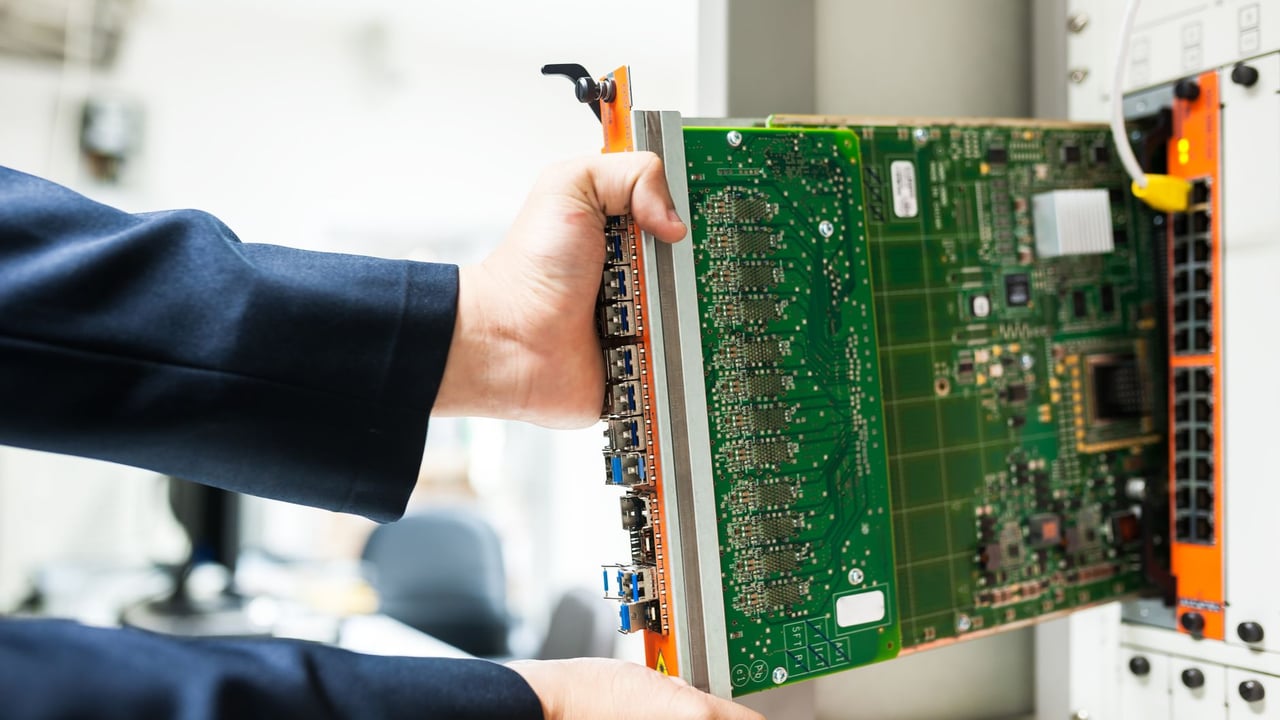
The technical bottleneck stems from a fundamental mismatch in modern server architecture. While a standard CPU provides limited native PCIe lanes, modern AI servers—particularly the industry-standard eight-card configurations—require massive data throughput. To bridge this gap, PCIe switches act as the traffic controllers, expanding the available lanes and allowing multiple GPUs to communicate effectively with the rest of the system. This structural necessity is driving a massive expansion in the bill of materials for data centers worldwide.
CITIC Securities forecasts that the global market for PCIe switches will swell to 30 billion RMB (approximately $4.1 billion) by 2028. Within this global context, the opportunity for Chinese domestic silicon is particularly acute. The report estimates that the market for domestic compute-supporting chips will reach 7 billion RMB by 2028, more than doubling its projected 2026 footprint. This growth is underpinned by a shifting XPU-to-switch ratio, which currently ranges from 4:1 to 2:1, moving toward denser interconnectivity as clusters scale.
However, the path forward is not without strategic hurdles. While the standard AI server market remains a stable foundation, a new trend toward 'super-node' servers—often using proprietary ecological protocols like Nvidia's NVLink—threatens to cannibalize the open market for standard PCIe switches. For Chinese firms, the challenge lies in navigating these proprietary hurdles while accelerating 'domestic substitution' to secure the local supply chain. With mainstream 104-lane switches currently priced between 3,000 and 5,000 RMB, the financial incentives for local breakthroughs have never been higher.