Bridge to the Interface: GigaDevice and Qt Group Forge Global Alliance for High-End Microcontrollers

Chinese semiconductor leader GigaDevice has partnered with global software firm Qt Group to optimize GUI development for its high-performance GD32H7 MCUs. The alliance aims to enhance human-machine interfaces across the industrial, energy, and consumer electronics sectors, strengthening GigaDevice's position in the global high-end chip market.

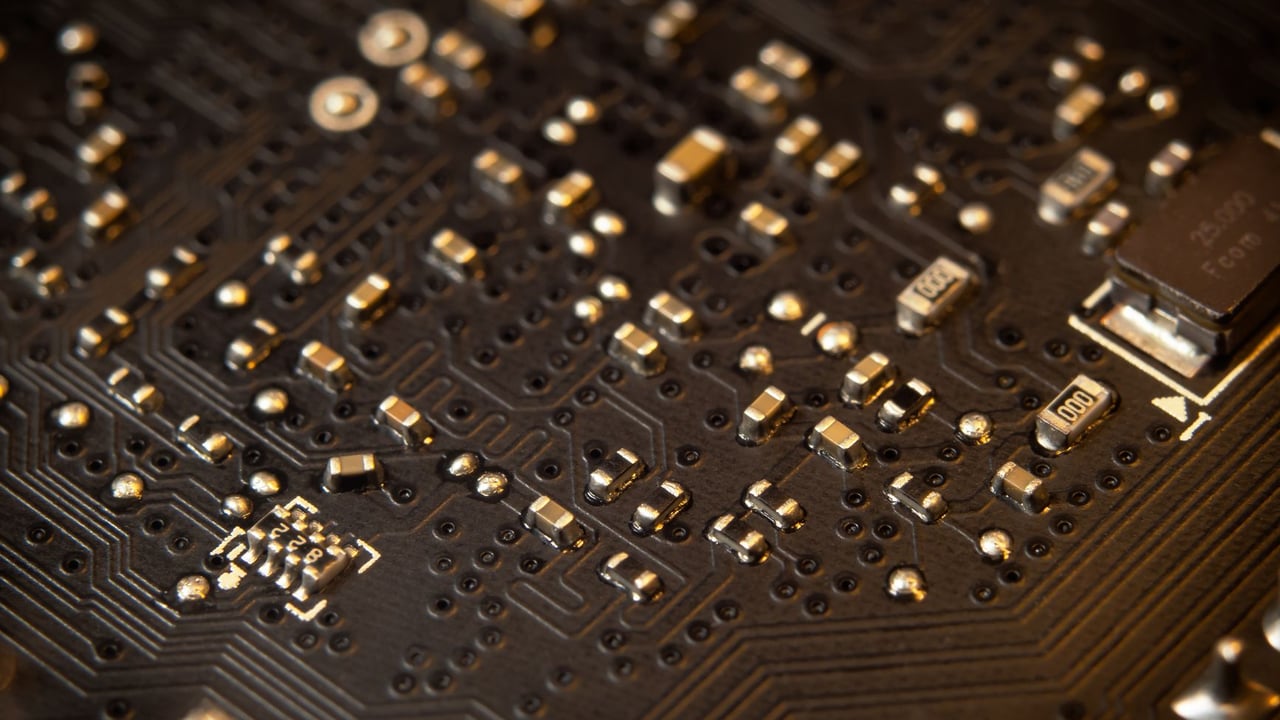
Detailed view of a circuit board showing various electronic components and traces.

Key Takeaways

  • 1GigaDevice and Qt Group have entered a global partnership focused on the GD32H7 high-performance MCU series.
  • 2The collaboration targets the optimization of embedded GUI solutions for sophisticated human-machine interfaces (HMI).
  • 3Target applications include smart industrial systems, energy storage, smart homes, and consumer electronics.
  • 4The move aims to build a stronger developer ecosystem and enhance the global competitiveness of GigaDevice's hardware.

Editor's
Desk

Strategic Analysis

This partnership represents a critical pivot for Chinese semiconductor firms: the transition from being 'hardware providers' to 'ecosystem architects.' For years, Chinese MCU manufacturers competed primarily on price. However, as GigaDevice moves into the high-performance GD32H7 territory, hardware specs alone are insufficient to displace Western giants like STMicroelectronics or NXP. By partnering with Qt Group—an industry standard for GUI development—GigaDevice is addressing the 'software gap.' This allows them to offer a competitive developer experience, making it easier for global manufacturers to switch to Chinese silicon without sacrificing the quality of their user interfaces. It is a strategic play to move up the value chain and secure a foothold in the increasingly software-defined industrial hardware market.

China Daily Brief Editorial
Strategic Insight
China Daily Brief

GigaDevice, a leading force in China’s semiconductor landscape, has announced a strategic global partnership with Qt Group, a premier provider of software design and development tools. The collaboration centers on GigaDevice’s GD32H7 high-performance microcontroller (MCU) series, with a specific focus on optimizing embedded graphical user interface (GUI) solutions. This move marks a significant step for the Chinese firm as it attempts to solidify its presence in the high-end human-machine interface (HMI) market.

As industrial and consumer devices become increasingly sophisticated, the demand for fluid, high-resolution interfaces on low-power hardware has surged. By integrating Qt’s world-class cross-platform framework with the GD32H7’s processing capabilities, the two companies aim to provide a seamless development environment. This allows engineers to build complex visual systems for smart industries, energy storage solutions, and high-end consumer electronics without the overhead typical of more expensive application processors.

The partnership is designed to foster a more robust developer ecosystem, lowering the barrier to entry for creators working within the GigaDevice architecture. By aligning with a global software standard like Qt, GigaDevice is effectively bridging the gap between hardware performance and software usability. This strategy is essential for competing with established global incumbents who have long used integrated software ecosystems as a competitive moat.

In sectors like smart home technology and industrial automation, the user experience is increasingly defined by the interface rather than just the underlying silicon. This synergy between GigaDevice and Qt Group suggests a maturing Chinese semiconductor industry that is moving beyond commodity hardware toward high-value, integrated solutions. The collaboration is expected to accelerate time-to-market for a new generation of smart devices globally.

Share Article

Related Articles

📰
No related articles found