
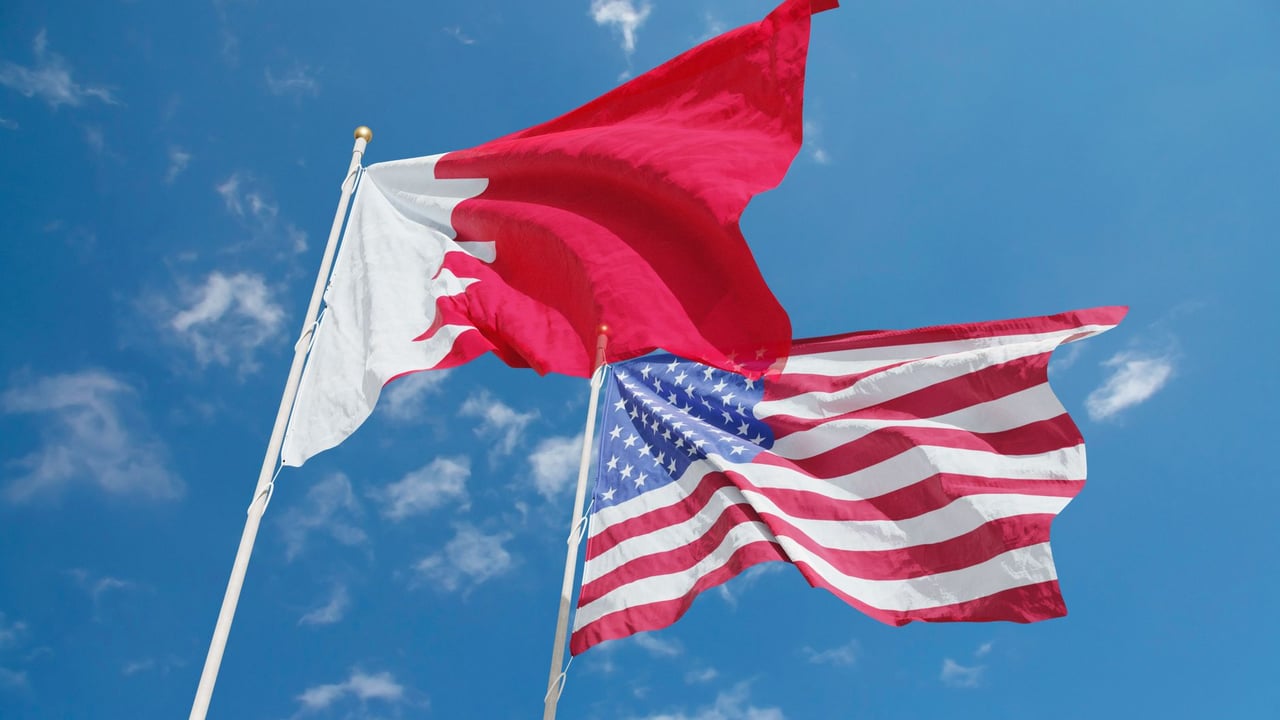

In a marathon 18-hour diplomatic session that concluded in the early hours of late June 2026, Tehran and Washington have reportedly finalized a draft agreement aimed at de-escalating long-standing economic and political tensions. Iranian Foreign Ministry spokesperson Baghaei confirmed that the negotiations, mediated by Qatar and Pakistan, have produced a formal document that outlines the next steps for a broader memorandum of understanding. The text is expected to be released shortly by the two mediating nations, marking a significant shift in the geometry of Middle Eastern diplomacy.
The core of the breakthrough centers on transactional pragmatism: the issuance of licenses for Iranian oil sales and the systematic unfreezing of Iranian assets held in international accounts. For a Tehran government grappling with prolonged economic isolation, these concessions represent a vital lifeline. For the United States, the movement suggests a calculated effort to stabilize global energy markets and manage regional volatility through a controlled easing of the maximum pressure campaign.
Despite the progress on technical fronts, the diplomatic atmosphere remains fraught with traditional posturing. Spokesperson Baghaei explicitly stated that Iran would no longer participate in the 'quadrilateral' talk format, citing 'threatening statements' made by U.S. officials during the latest round of discussions. This pivot indicates that while Tehran is willing to sign off on specific economic deliverables, it remains deeply resistant to broader multilateral frameworks that it perceives as imbalanced or coercive.
The transition of the file from high-level negotiators to technical working groups suggests that the 'heavy lifting' of political negotiation has concluded for this phase. These teams are now tasked with the granular implementation of the memorandum, ensuring that the mechanisms for asset transfers and oil monitoring meet the stringent requirements of both parties. The reliance on Qatar and Pakistan as the primary conduits underscores the declining influence of traditional European intermediaries in favor of regional power brokers who maintain functional ties with both adversaries.
Ultimately, this agreement represents a tactical truce rather than a grand bargain. By focusing on the mechanics of oil and finance, both sides are attempting to secure immediate domestic and strategic gains without the political cost of a full diplomatic normalization. The success of this deal will depend entirely on whether the technical implementation can survive the inevitable rhetorical skirmishes that continue to define the U.S.-Iran relationship.