Israel’s Long Shadow: Why the IDF is Digging in for a Permanent Buffer in Southern Lebanon

Israeli Defense Minister Israel Katz has confirmed that the IDF will maintain its "security zone" in southern Lebanon despite a reported ceasefire. This signal of long-term presence suggests a shift toward a permanent buffer strategy intended to neutralize Hezbollah threats and protect northern Israel.

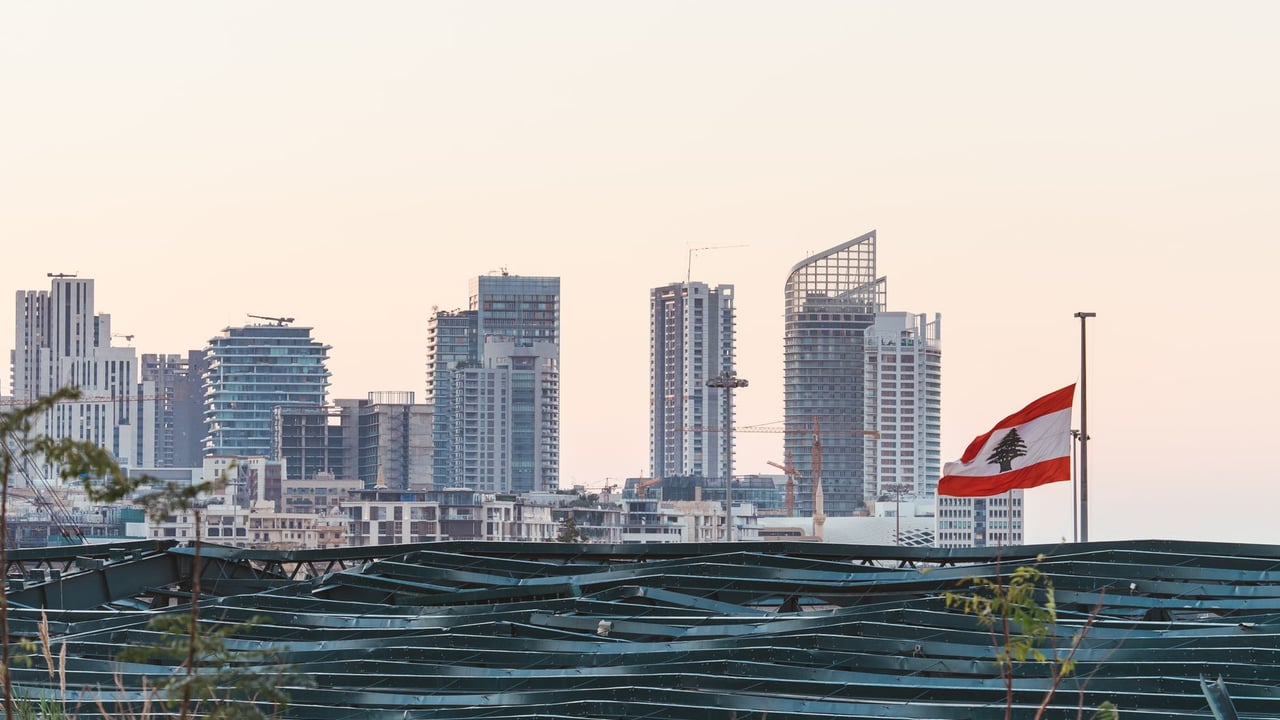
Captured view of Beirut's skyline with the Lebanese flag during sunset, showcasing urban architecture.

Key Takeaways

  • 1Defense Minister Israel Katz explicitly ruled out a withdrawal from the southern Lebanon 'security zone'.
  • 2Prime Minister Netanyahu supports the presence, stating troops will remain 'as long as necessary'.
  • 3The IDF maintains it has 'unrestricted' freedom to operate against Hezbollah targets within Lebanese territory.
  • 4A reported ceasefire order exists, but it does not include the evacuation of Israeli-held positions.
  • 5Israel claims the operations have successfully killed multiple Hezbollah fighters and destroyed critical military infrastructure.

Editor's
Desk

Strategic Analysis

By refusing to withdraw from southern Lebanon, the Israeli government is effectively implementing 'Security Zone 2.0,' a strategy reminiscent of the 1985–2000 occupation. This decision suggests that Jerusalem has concluded that no diplomatic solution—or reliance on UNIFIL—can currently provide the security guarantees required for the return of displaced citizens in Galilee. While this may achieve tactical depth and diminish Hezbollah's short-range capabilities, it risks a political quagmire. A permanent Israeli footprint on Lebanese soil is a potent recruitment tool for Hezbollah and likely complicates normalization efforts with other regional actors. The move shifts the conflict from a high-intensity war to a long-term territorial occupation, which historically has been difficult for the IDF to sustain without significant domestic and international friction.

China Daily Brief Editorial
Strategic Insight
China Daily Brief

The declaration by Israeli Defense Minister Israel Katz that the Israel Defense Forces (IDF) will not withdraw from southern Lebanon signals a stark shift in the regional security architecture. Despite reports of a tactical ceasefire, Katz clarified that the military’s presence in the newly established "security zone" remains non-negotiable. This move effectively formalizes a buffer territory that Israel claims is essential to neutralizing the persistent threat posed by Hezbollah.

Prime Minister Benjamin Netanyahu has reinforced this stance, stating that the IDF will remain stationed across the border "as long as necessary." This rhetoric suggests that the Israeli leadership is prioritizing immediate physical deterrence over international diplomatic pressure to restore Lebanese sovereignty. By maintaining a footprint on Lebanese soil, the IDF retains what Katz described as "unrestricted" freedom to strike at Hezbollah’s infrastructure and personnel.

The strategic logic behind this occupation echoes the security arrangements of the late 20th century, which saw Israel maintain a similar buffer for fifteen years. While the military claims to have already dismantled significant portions of Hezbollah's launch sites and command centers, the decision to stay indicates a lack of trust in international peacekeeping forces or the Lebanese state's ability to police its own south. For the residents of northern Israel, this is framed as the only guarantee for a safe return to their homes.

However, the long-term sustainability of this "security zone" remains highly contentious. A permanent or semi-permanent presence on Lebanese territory risks entrenching a war of attrition that could bleed Israeli resources and further destabilize the Lebanese government. As the IDF digs in, the line between a defensive measure and a permanent occupation continues to blur, setting the stage for a prolonged confrontation in the Levant.

Share Article

Related Articles

📰
No related articles found