Beijing’s Blue-Water Vigil: Normalizing Control over Sabina Shoal

The China Coast Guard has shifted to a permanent, normalized patrol schedule at Sabina Shoal using the vessel Dongan. This strategic move aims to solidify Beijing’s maritime claims and exert continuous pressure on the Philippines near its coastline.

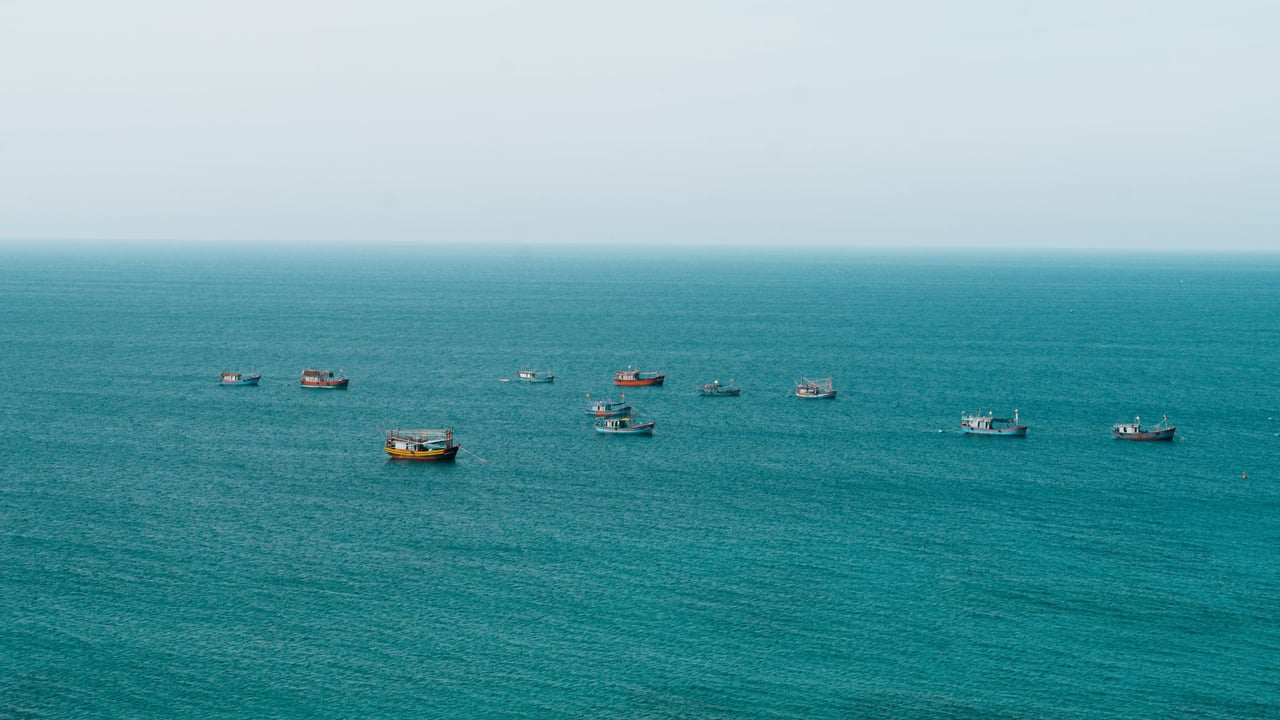
Aerial view of colorful fishing boats on the calm sea in Quang Ngai, Vietnam.

Key Takeaways

  • 1The CCG vessel Dongan has transitioned to 'normalized' 24/7 patrol duties at Sabina Shoal.
  • 2Sabina Shoal is a key strategic feature located near Palawan and Second Thomas Shoal.
  • 3The move signals a shift from reactive patrolling to a permanent 'guard' posture to assert sovereignty.
  • 4This activity is part of a broader 'gray-zone' strategy to establish de facto control without triggering a full military conflict.

Editor's
Desk

Strategic Analysis

The normalization of CCG patrols at Sabina Shoal signifies a move away from reactive enforcement toward proactive, permanent occupation in all but name. By maintaining a constant hull-to-hull presence, Beijing is effectively implementing a lockdown strategy on contested features, making it increasingly risky for the Philippines or other regional actors to challenge Chinese claims. This evolution suggests that the South China Sea is entering a phase where persistent presence, rather than legal arbitration or occasional displays of force, will dictate the geopolitical outcome. The Dongan’s presence is a signal that China views these waters as its domestic 'blue territory' rather than international or contested space.

China Daily Brief Editorial
Strategic Insight
China Daily Brief

The deployment of the China Coast Guard vessel Dongan to Sabina Shoal, known in China as Xianbin Jiao, represents the latest chapter in Beijing’s long-term strategy to cement its presence in contested waters. By transitioning from episodic patrols to what state media describes as normalized stationing, the CCG is effectively establishing a permanent footprint at a critical maritime junction.

Located just 75 nautical miles from the Philippine province of Palawan, Sabina Shoal has become a primary friction point in the South China Sea. Its proximity to Second Thomas Shoal, where Manila maintains a grounded warship as a military outpost, makes it a strategic staging ground. For Beijing, maintaining a constant presence here serves both as a surveillance hub and a deterrent against Philippine resupply missions.

This persistence reflects a broader shift in China’s maritime doctrine, utilizing the Coast Guard as the primary instrument of gray-zone pressure. By deploying large, well-equipped vessels like the Dongan to guard these features around the clock, China aims to create a new status quo where its authority is the dominant reality on the water. This tactic avoids direct military conflict while gradually eroding the operational space of rival claimants.

The continuous operations from dawn until dusk, as emphasized in recent domestic reports, highlight a commitment to endurance and logistical capability. As these patrols become a daily fixture, the international community faces the challenge of responding to a slow-motion territorial consolidation that is difficult to reverse through conventional diplomatic means.

Share Article

Related Articles

📰
No related articles found