
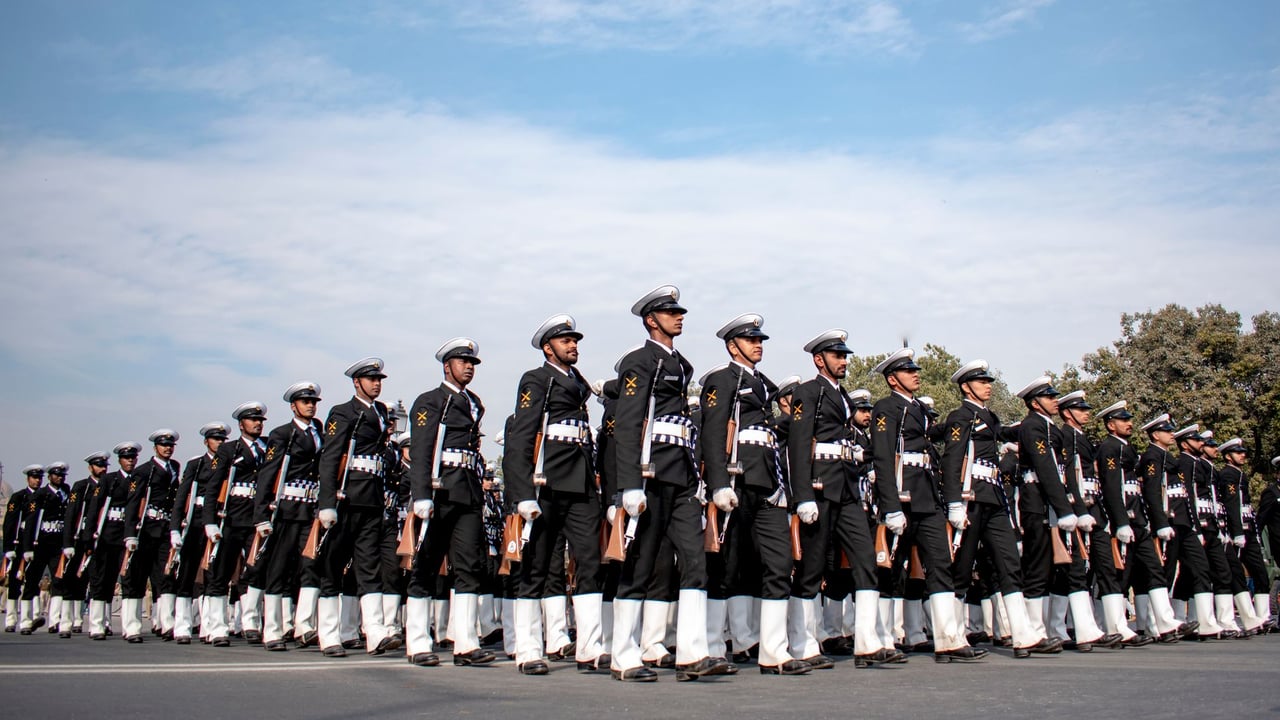

On June 21, 2026, the Indian Navy reached a symbolic milestone by simultaneously commissioning three domestically produced warships: the stealth frigate Dunagiri, the survey vessel Sanshodhak, and the anti-submarine craft Agray. Presiding over the ceremony at Kolkata’s Syama Prasad Mookerjee Port, Prime Minister Narendra Modi hailed the event as a testament to India’s maritime maturity. The ceremony reinforced the 'Atmanirbhar Bharat' (Self-Reliant India) initiative, signaling a shift from New Delhi’s historical role as a global arms buyer to an emerging industrial powerhouse.
These new additions are part of an aggressive expansionist strategy aimed at securing a 200-vessel fleet by 2035. The Indian Navy currently operates around 140 ships, with more than 40 indigenous vessels added in recent years and another 45 currently under construction. This buildup reflects a 'balanced' naval doctrine that seeks to combine deep-water power projection with enhanced littoral defense and maritime domain awareness across the Indian Ocean Region.
However, beneath the celebratory veneer, seasoned observers and industry insiders are sounding alarms regarding the technical integrity of this rapid expansion. While the indigenization rate of these new vessels exceeds 75%, critics point out that the most sophisticated 'brains and brawn' of the ships—advanced sensors, propulsion, and core weaponry—remain heavily reliant on foreign partnerships. The reliance on Israeli missiles, Italian naval guns, and Russian aerospace technology creates a complex 'patchwork' fleet that complicates systems integration and maintenance.
Technical shortcomings also plague India’s most prestigious platforms. The first indigenous aircraft carrier, INS Vikrant, has struggled with congenital design flaws, including 'pitching' issues during trials, while the flagship P15B destroyers carry Barak-8 air defense systems that some experts deem insufficient against modern high-speed threats. Furthermore, India’s burgeoning nuclear submarine fleet is criticized for outdated acoustic signatures and missile ranges that lag significantly behind the standards of major global powers.
Perhaps most critical is the widening human resource gap that threatens to undermine these hardware gains. The Navy currently faces a shortfall of over 10,000 personnel, representing roughly 12.3% of its total authorized strength. Because recruitment often only triggers after a new vessel is commissioned, the fleet is expanding faster than the training pipeline can produce qualified officers and sailors. This deficit has already manifested in a series of operational accidents, including a recent submarine collision near Goa, highlighting the risks of a navy growing too fast for its own professional foundations.