Vance’s Alpine Gambit: U.S.-Iran Diplomacy Enters a New Phase in Switzerland

U.S. Vice President J.D. Vance has concluded a significant round of negotiations with Iranian representatives in Switzerland, signaling a potential shift in U.S. foreign policy toward the Middle East. The high-level talks in Bürgenstock suggest a move toward pragmatic diplomacy intended to stabilize regional tensions.

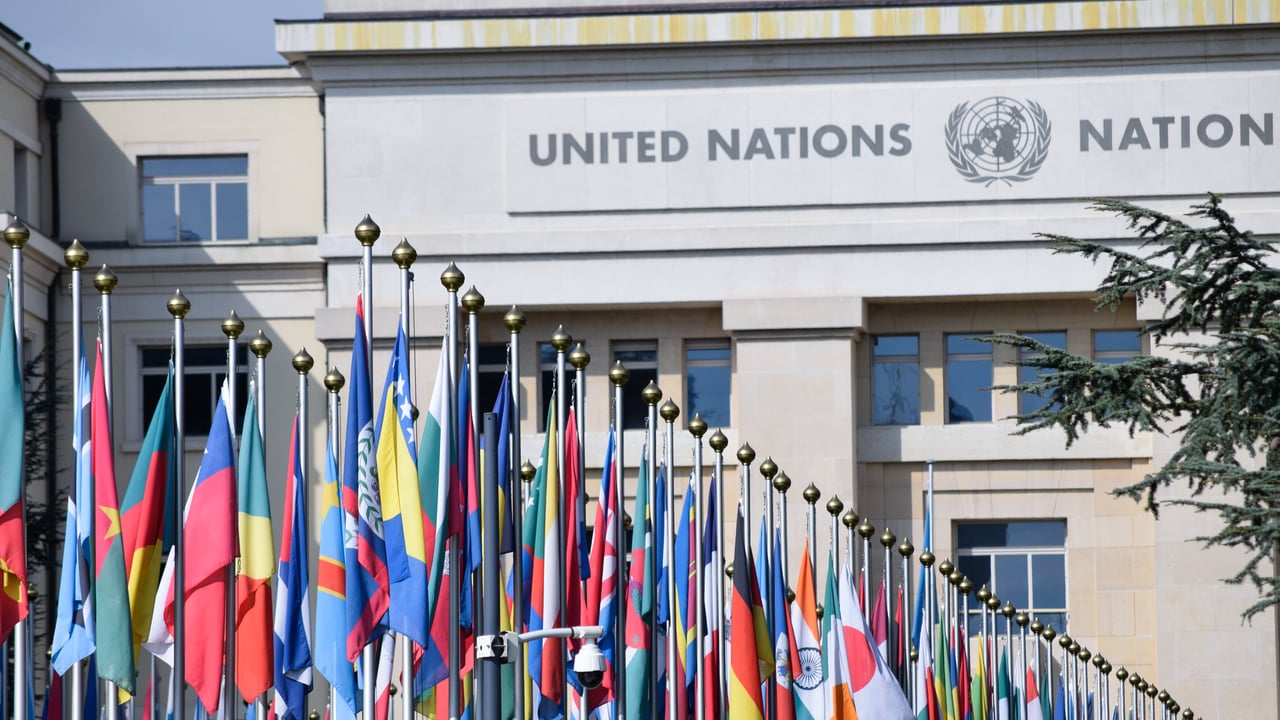
Colorful flags outside the United Nations office in Geneva, symbolizing global unity.

Key Takeaways

  • 1Vice President J.D. Vance concluded several days of negotiations with Iranian officials in Bürgenstock, Switzerland.
  • 2The presence of the Vice President indicates that U.S.-Iran relations have moved to a high-level political stage.
  • 3The talks aim to address long-standing issues including nuclear compliance and regional security stability.
  • 4The diplomatic mission highlights Switzerland's continuing role as a critical neutral ground for international mediation.
  • 5The success of the mission will be judged by the administration's ability to navigate domestic political opposition in Washington.

Editor's
Desk

Strategic Analysis

The Bürgenstock negotiations represent a pivot in American foreign policy, potentially reflecting a more transactional and direct approach to adversarial relations. By sending J.D. Vance, the administration is bypassing traditional diplomatic channels to test whether a 'grand bargain' is possible with Tehran. This strategy carries high risks; any perceived weakness could be politically fatal at home, while a failure to secure concessions could lead to further regional escalation. The 'Bürgenstock Process' will likely be the defining foreign policy test for Vance's political career, determining if he can bridge the gap between 'America First' realism and the complexities of Middle Eastern geopolitics.

China Daily Brief Editorial
Strategic Insight
China Daily Brief

U.S. Vice President J.D. Vance has departed from Switzerland following a high-stakes diplomatic mission in the Bürgenstock resort, marking a significant moment in the ongoing efforts to recalibrate the relationship between Washington and Tehran. The Vice President’s attendance at these negotiations signals a departure from the purely technical dialogues of the past, elevating the engagement to a top-tier political priority for the current administration.

The choice of Bürgenstock, a location synonymous with neutral mediation and high-level international summits, underscores the gravity of the discussions. By positioning the Vice President at the center of these talks, the White House is signaling to both domestic audiences and international allies that it is seeking a pragmatic breakthrough in the Middle East. This move comes at a time when regional stability remains fragile and global energy markets are sensitive to any fluctuations in Persian Gulf tensions.

While official details regarding the specific outcomes of the Bürgenstock sessions remain under wraps, the mere conclusion of this round without a breakdown is being viewed by analysts as a cautious success. The discussions likely touched upon a complex web of issues, including nuclear non-proliferation, regional security frameworks, and the potential easing of economic sanctions in exchange for verifiable de-escalation.

As Vance returns to Washington, he faces the challenge of selling the progress made in Switzerland to a skeptical Congress. The administration’s 'Alpine Diplomacy' will be scrutinized for whether it represents a genuine strategic shift or a temporary pause in hostilities. The coming weeks will be critical as both nations decide whether to translate these high-level talks into formal policy changes.

Share Article

Related Articles

📰
No related articles found